
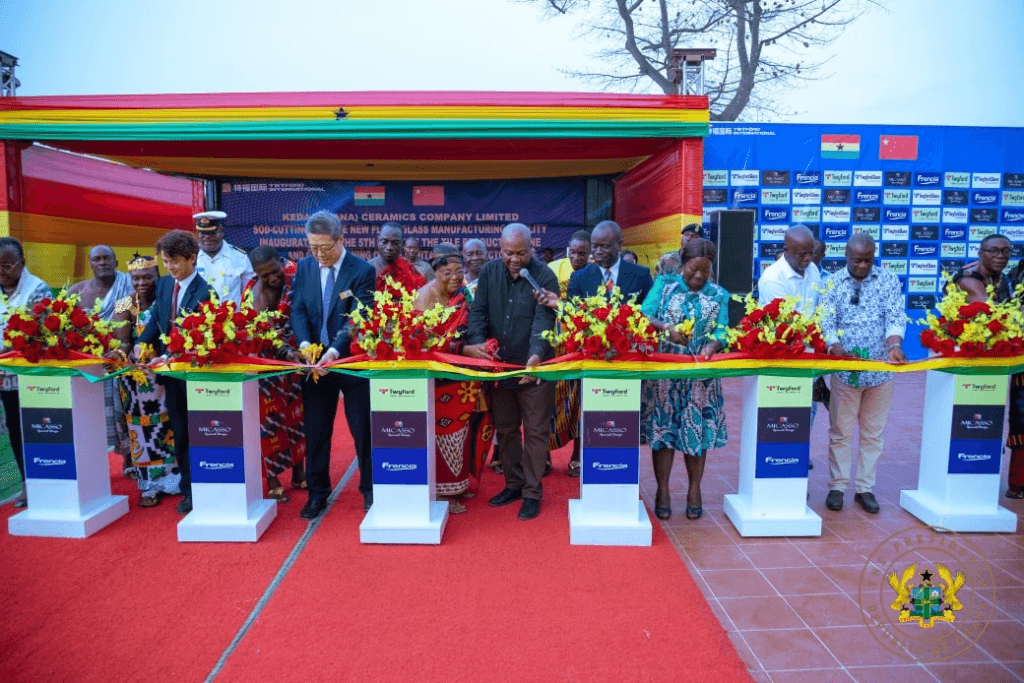
The float glass factory, which will be one of the largest in West Africa, will have the capacity to produce over 500 tons of glass per day, making it a major player in the regional market. The factory will use state-of-the-art technology to produce a wide range of glass products, including sheet glass, laminated glass, and insulated glass, which will be used in the construction, automotive, and manufacturing industries. The project is a joint venture between the Ghanaian government and a foreign investor, with the government providing the necessary infrastructure and support to ensure the success of the project.
Expected Impact on the Economy
The construction of the float glass factory is expected to have a significant impact on Ghana's economy, with the project expected to create over 1,000 jobs during the construction phase and a further 500 jobs when the factory becomes operational. The factory will also provide a major boost to the local economy, with the project expected to generate over $100 million in revenue per year. According to Dr. Kwabena Appiah-Pinkrah, a lecturer at the University of Ghana's Economics Department, "the project will have a significant multiplier effect on the economy, with the creation of jobs and the generation of revenue expected to have a positive impact on the local community." Dr. Appiah-Pinkrah added that "the project will also help to reduce Ghana's trade deficit, by reducing the country's reliance on imported glass products."
"The construction of the float glass factory is a major step towards strengthening Ghana's industrial base and reducing our reliance on imported goods. The project will provide a major boost to the local economy and create hundreds of jobs for locals," said President Mahama during the sod-cutting ceremony.
President Mahama also emphasized the importance of the project in terms of its potential to contribute to the country's economic growth and development. He noted that the project is part of the government's broader strategy to develop the country's industrial sector and reduce its reliance on imported goods. The government has identified the manufacturing sector as a key area of focus, with the aim of increasing the sector's contribution to GDP from the current 10% to 20% over the next five years.
Challenges and Opportunities
Despite the potential benefits of the project, there are also challenges that need to be addressed. One of the major challenges facing the project is the lack of infrastructure in the area, including the lack of access roads and utilities. However, the government has committed to providing the necessary infrastructure to support the project, including the construction of a new access road and the provision of utilities such as water and electricity. According to Mr. George Ansah, the Managing Director of the Ghana Investment Promotion Centre, "the government is committed to providing the necessary support to ensure the success of the project. We believe that the project has the potential to make a significant contribution to the country's economic development and we are committed to doing everything we can to support it."
The construction of the float glass factory is also expected to provide opportunities for local businesses and entrepreneurs. The project will require a range of goods and services, including construction materials, food, and accommodation, which will provide opportunities for local businesses to supply. According to Mr. Kwame Owusu, the President of the Shama District Chamber of Commerce, "the project will provide a major boost to local businesses and entrepreneurs, with the potential to create new opportunities and stimulate economic growth." Mr. Owusu added that "the chamber of commerce is committed to working with the government and the investors to ensure that local businesses are able to take advantage of the opportunities presented by the project."
In conclusion, the construction of the $250 million float glass factory at Shama in the Western Region is a significant milestone in Ghana's industrial development. The project has the potential to make a major contribution to the country's economic growth and development, and the government is committed to providing the necessary support to ensure its success. As the project moves forward, it is expected that it will provide a major boost to the local economy and create hundreds of jobs for locals. With the government's commitment to supporting the project and the potential for the project to stimulate economic growth, the future looks bright for Ghana's industrial sector.