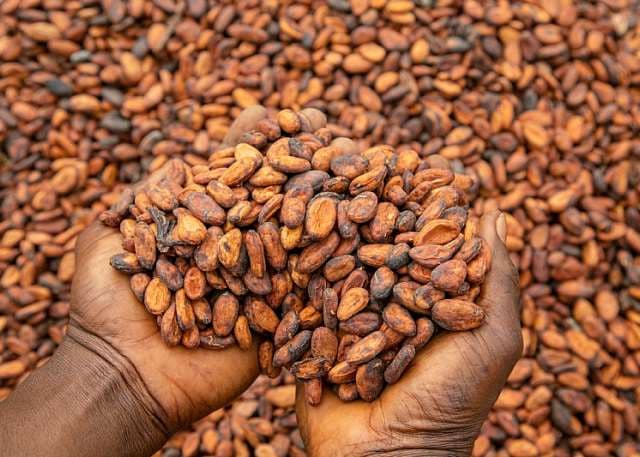
The survey's findings are particularly noteworthy, given the controversy surrounding the Producer Price Review Committee's (PPRC) announcement on February 12, 2026. The PPRC had pegged the new farmgate price at GH¢41,392 per tonne, equivalent to GH¢2,587 per 64-kilogram bag, representing a reduction of roughly 28.6% from the previous price of GH¢3,625 in October 2025. The price reduction had sparked street protests, with many opposition politicians and farmer groups arguing that it would negatively impact the livelihoods of cocoa farmers.
Expert Analysis
According to Dr. Ama Owusu; an economist at the University of Ghana, the survey's results suggest that the majority of farmers are willing to adapt to the new price. "The fact that 56% of farmers consider the new price fair indicates that they are willing to work with the government to ensure the sustainability of the cocoa industry," she said.
"While the price reduction may have been a shock to some, it is essential to consider the broader economic context and the need to ensure that the industry remains competitive."Dr. Owusu added that the government's efforts to support farmers, such as providing subsidies and investing in agricultural infrastructure, would be crucial in mitigating the impact of the price reduction.
Mr. Kwame Addo; a spokesperson for the Ghana Cocoa Board, also weighed in on the survey's findings. "We are pleased to see that the majority of farmers are accepting of the new price," he said.
"We understand that the price reduction may have caused concerns, but we are committed to working with farmers to ensure that they receive a fair price for their produce."Mr. Addo emphasized that the government would continue to engage with farmer groups and other stakeholders to address any concerns and work towards finding solutions that benefit all parties involved.
Industry Implications
The survey's results have significant implications for the cocoa industry in Ghana, which is the second-largest producer of cocoa in the world. The price reduction is expected to impact the livelihoods of thousands of farmers, as well as the broader economy. However, Mr. Yaw Mensah; a cocoa farmer and chairman of the Ashanti Regional Farmers Association, remains optimistic about the future of the industry. "We are resilient farmers, and we will adapt to the new price," he said.
"We are confident that the government will continue to support us, and we will work together to ensure that the industry remains strong and competitive."
The survey's findings also highlight the need for ongoing dialogue and engagement between the government, farmer groups, and other stakeholders. Dr. Akua Agyekum; a researcher at the International Cocoa Organization, noted that the price reduction is not an isolated issue, but rather part of a broader set of challenges facing the cocoa industry. "The industry is subject to various factors, including climate change, pests, and diseases, which can impact yields and prices," she said.
"It is essential to address these challenges through a comprehensive and inclusive approach that takes into account the needs and concerns of all stakeholders."
Conclusion and Future Outlook
In conclusion, the Global InfoAnalytics survey provides valuable insights into the perspectives of cocoa farmers in Ghana regarding the newly announced farmgate price. While the price reduction has sparked controversy, the majority of farmers appear to be accepting of the new price. As the industry moves forward, it is crucial to continue engaging with farmer groups, addressing their concerns, and working towards finding solutions that benefit all parties involved. The government, farmer groups, and other stakeholders must work together to ensure that the cocoa industry remains strong, competitive, and sustainable for generations to come.