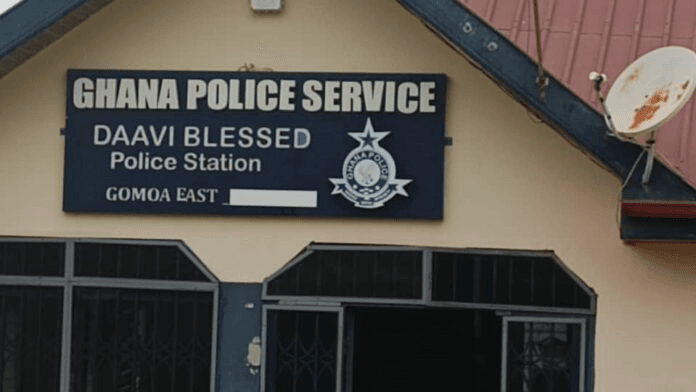
The attack has raised concerns about the safety and well-being of individuals in the area, particularly those who work at or visit the police station. Dr. Kwame Owusu, an entomologist at the University of Cape Coast, noted that bee attacks can be unpredictable and often occur without warning. "Bees are generally non-aggressive, but when they feel threatened or when their hive is disturbed, they can become very aggressive," he explained. "It's possible that the bees were disturbed by something or someone, leading to the attack on the police station."
Cause of the Attack Still Unknown
Officials are still investigating the cause of the bee attack, but so far, no definitive explanation has been given. Deputy Superintendent of Police, Mrs. Ama Serwaa, who is in charge of the Gomoa East District Police Command, stated that the police are working to determine what triggered the attack. "We are looking into all possible causes, including the possibility of a disturbed beehive or some other environmental factor," she said. "We want to assure the public that we are doing everything in our power to prevent such incidents in the future."
The attack on the police station has also raised concerns about the preparedness of emergency services to respond to such incidents. Mr. Kofi Mensah, a local resident, who witnessed the attack, said that the response time of the emergency services was slow. "I was on my way to the market when I saw people running out of the police station, screaming and crying," he recalled. "It took a while for the ambulance to arrive, and by that time, many people had already been stung multiple times." However, Dr. Owusu noted that responding to bee attacks can be challenging, as it requires specialized equipment and training. "It's not just a matter of sending in an ambulance or fire truck," he said. "You need to have the right equipment and training to deal with the situation safely and effectively."
Victims Receive Medical Attention
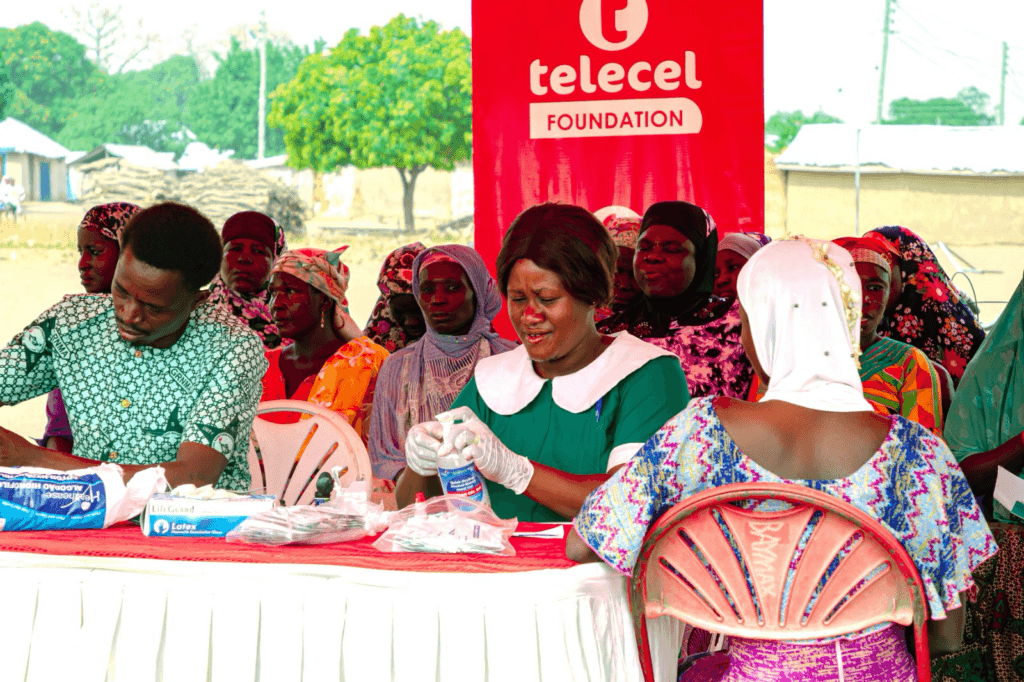
The 41 people injured in the attack, including four police officers, are currently receiving medical attention at local hospitals. Dr. Akosua Gyamfi, a medical officer at the Gomoa East District Hospital, said that most of the victims suffered minor injuries, including bee stings and allergic reactions. "We have one patient who is in critical condition, but we are doing everything we can to stabilize them," she said. "We are also providing counseling and support to those who were affected by the attack, as it can be a traumatic experience."
The attack on the police station is a reminder of the importance of being prepared for unexpected events. As we investigate the cause of the attack, we will also be reviewing our emergency response procedures to ensure that we are better equipped to handle such incidents in the future.— Deputy Superintendent of Police, Mrs. Ama Serwaa
The incident has also prompted calls for increased awareness and education about bee safety. Dr. Owusu emphasized the importance of understanding bee behavior and taking steps to prevent attacks. "Bees are an important part of our ecosystem, and we need to learn how to coexist with them safely," he said. "By taking simple precautions, such as avoiding areas with beehives and wearing protective clothing, we can reduce the risk of bee attacks."
Community Comes Together
The attack on the police station has brought the community together, with many residents offering support and assistance to the victims and their families. Mr. Mensah said that the incident has highlighted the importance of community solidarity. "We are all in this together, and we need to look out for each other," he said. "I'm just glad that no one was killed, and I hope that the victims will make a full recovery."
In conclusion, the bee attack on the Daavi Blessed Police Station has left a trail of injury and trauma in its wake. As the investigation into the cause of the attack continues, officials and residents alike are reflecting on the importance of preparedness and community solidarity. With the victims receiving medical attention and the community coming together to offer support, there is hope for a full recovery and a renewed sense of safety and security in the area. As Dr. Owusu noted, "By working together and taking the necessary precautions, we can prevent such incidents in the future and create a safer, more harmonious environment for everyone."