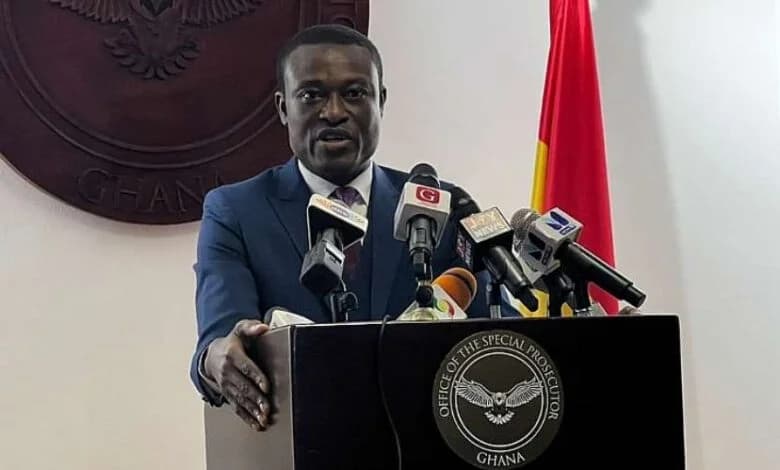
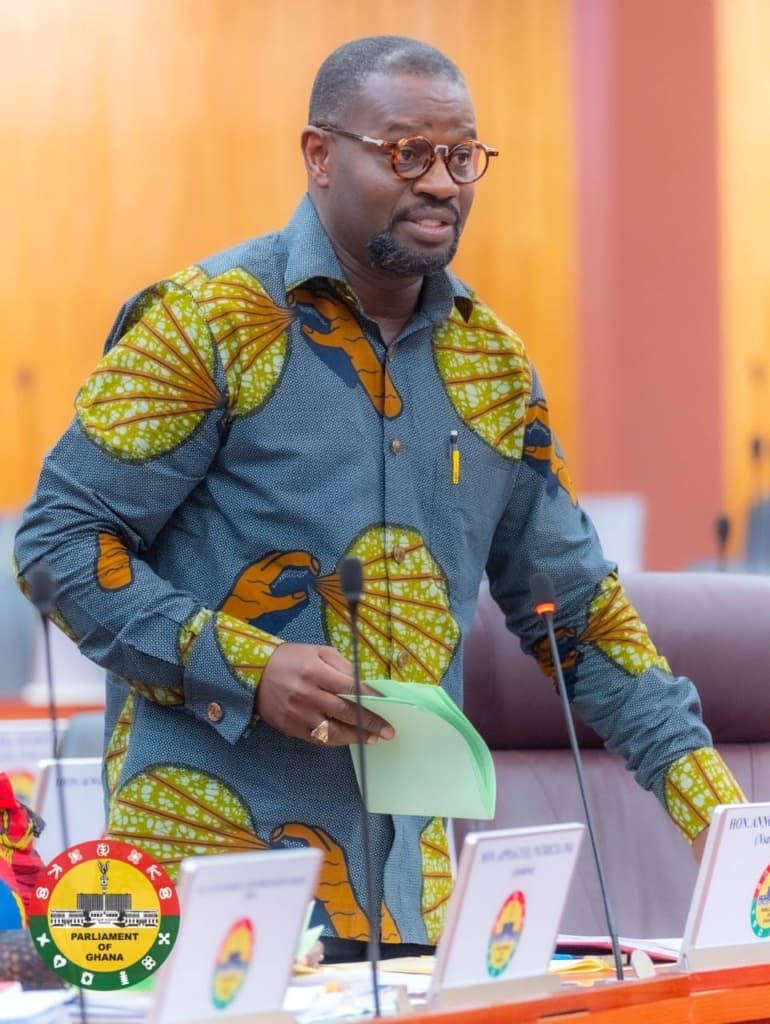
The Minority's strong-worded closing statement, delivered by Mr. Annoh-Dompreh, underscored the importance of preserving the constitutional order and ensuring that the government remains accountable to the people. As he put it,
"When Parliament stands, democracy stands. We cannot afford to compromise on the principles that have guided our nation thus far. The DACF controversy is a litmus test for our democracy, and we must not fail."This assertion highlights the Minority's determination to safeguard the integrity of Ghana's democratic institutions and prevent any attempts to undermine the rule of law.
Constitutional Implications
The DACF controversy has significant implications for Ghana's constitutional democracy, as it raises concerns about the government's adherence to the principles of transparency, accountability, and good governance. Dr. Emmanuel Akwetey, a renowned constitutional expert, notes that
"The DACF issue is a classic example of how the government's actions can either strengthen or weaken our democratic institutions. If left unchecked, this trend could have far-reaching consequences for the future of our democracy."Dr. Akwetey's warning emphasizes the need for vigilance and proactive measures to ensure that the government remains committed to upholding the constitution and respecting the principles of democratic governance.
Parliament's Role
As the representative body of the people, Parliament plays a crucial role in defending Ghana's constitutional democracy. The Minority's stance on the DACF controversy demonstrates its commitment to holding the government accountable and ensuring that the executive branch does not overstep its constitutional mandate. According to Mr. Kwame Anyimadu-Antwi, a member of the Minority,
"Parliament is the guardian of the constitution, and it is our duty to protect it from any attempts to undermine its provisions. We will continue to scrutinize the government's actions and ensure that they align with the principles of democracy and good governance."This pledge underscores the Minority's resolve to defend the constitution and promote a culture of transparency and accountability in governance.
Way Forward
As the DACF controversy continues to unfold, it is essential for all stakeholders to prioritize the preservation of Ghana's constitutional democracy. The government, Parliament, and civil society must work together to address the concerns surrounding the DACF and ensure that the nation's democratic institutions remain strong and resilient. Mr. Annoh-Dompreh emphasizes that
"The defense of our constitutional democracy is a collective responsibility. We must all come together to protect the principles that have guided our nation thus far and ensure that Ghana remains a beacon of democracy in the region."This call to action highlights the need for a collaborative effort to safeguard Ghana's democratic heritage and promote a culture of good governance, transparency, and accountability.
In conclusion, the Minority's defense of Ghana's constitutional order is a testament to the institution's commitment to upholding the principles of democracy and promoting good governance. As the nation navigates the complexities of the DACF controversy, it is essential for all stakeholders to prioritize the preservation of the constitutional order and ensure that the government remains accountable to the people. The future of Ghana's democracy depends on the ability of its institutions to withstand challenges and protect the principles that have guided the nation thus far. As Dr. Akwetey aptly puts it,
"The strength of our democracy lies in our ability to defend it. We must remain vigilant and proactive in promoting a culture of transparency, accountability, and good governance, lest we compromise the very foundations of our constitutional order."