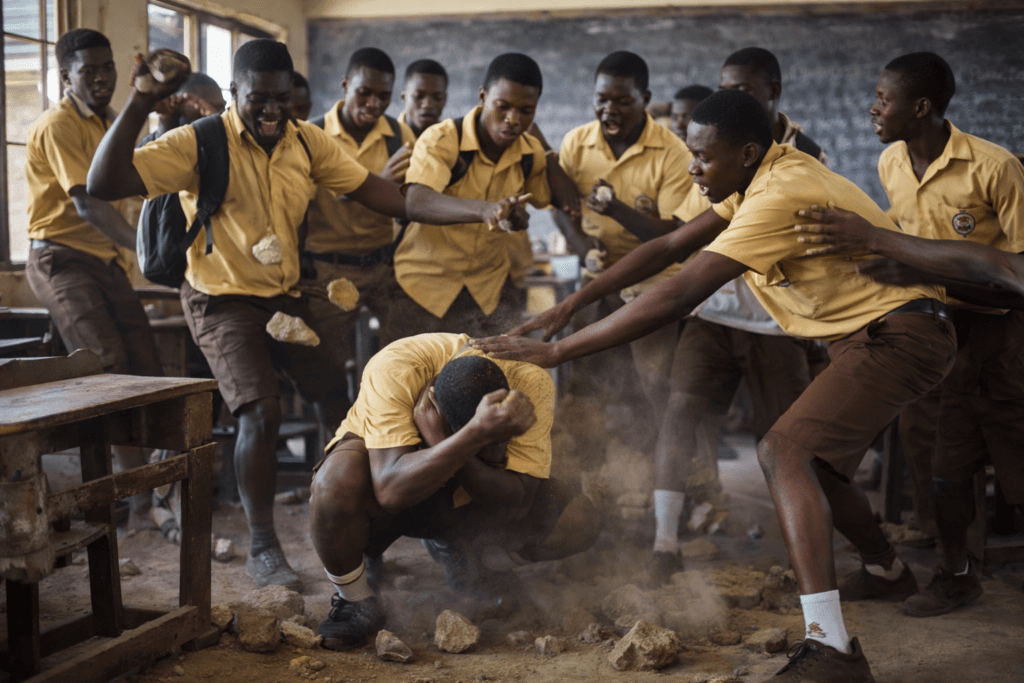

The NPC's concerns are echoed by education experts and stakeholders, who attribute the rise in violence to a combination of factors, including poor discipline, inadequate guidance and counseling, and insufficient support for students with behavioral problems. Dr. Ama Owusu, a child psychologist and education consultant, notes that "the increasing incidents of violence in senior high schools are a symptom of a deeper problem that requires a comprehensive and multifaceted approach to address." She emphasizes the need for schools to prioritize student welfare and provide support systems to help learners manage stress, anxiety, and other emotional challenges that may contribute to violent behavior.
Causes of Violence in Senior High Schools
Experts point to a range of factors that contribute to the rising violence in senior high schools. These include poor parenting, social media influence, and the pressures of academic competition. According to Mr. Kwame Owusu, a seasoned educator and school administrator, "the breakdown of family values and the lack of effective parenting have created a vacuum that is being filled by negative influences, such as social media and peer pressure." He argues that schools must work closely with parents and the community to promote positive values and behaviors that discourage violence and promote peaceful coexistence.
Another factor cited by experts is the inadequate training and support for teachers in managing classroom behavior and responding to violent incidents. Ms. Akua Mensah, a teacher and union representative, notes that "teachers are often ill-equipped to handle violent situations, which can escalate and lead to serious consequences." She calls for increased investment in teacher training and support systems to enable educators to manage challenging behaviors and create a safe learning environment.
Call to Action
The NPC's warning has sparked a national conversation about the need for urgent action to address the rising violence in senior high schools. Rev. Dr. Emmanuel Asante, Chairman of the NPC, emphasizes that "the time for talk is over, and it is time for collective action to safeguard our children and ensure that they receive a quality education in a safe and secure environment." He calls on the government, education authorities, schools, parents, and the community to work together to implement measures that prevent violence, promote discipline, and support students with behavioral challenges.
"We must take a proactive and preventative approach to address the root causes of violence in our schools. This requires a commitment to providing adequate resources, training, and support for teachers, students, and parents. We owe it to ourselves, our children, and future generations to create a safe and peaceful learning environment that fosters academic excellence, social mobility, and national development."
In response to the NPC's concerns, the Ministry of Education has announced plans to launch a nationwide campaign to promote discipline, safety, and security in senior high schools. The campaign will involve stakeholder engagement, teacher training, and the development of guidelines and protocols for managing violent incidents. While the initiative is a step in the right direction, experts caution that a sustained and collective effort is required to address the complex and deep-seated issues driving violence in senior high schools.
Way Forward
As the nation grapples with the challenges of rising violence in senior high schools, it is clear that a multifaceted and collaborative approach is needed to promote safety, discipline, and academic excellence. The NPC's warning serves as a reminder that the education sector is a critical component of national development, and that the wellbeing and security of learners are essential to the country's future prosperity. As Dr. Owusu notes, "we must work together to create a culture of peace, respect, and empathy in our schools, and to provide our children with the support and resources they need to succeed in a rapidly changing world." The coming weeks and months will be crucial in determining the effectiveness of the measures implemented to address the rising violence in senior high schools, and in shaping the future of education in the country.