The 24-Hour Economy initiative, launched by the government last year, aims to increase economic activity and create jobs by encouraging factories to operate around the clock. The initiative has so far shown promising results, with several factories already embracing the concept and reporting increased productivity. However, industry experts have been calling for more incentives to support the growth of these factories and help them compete with their international counterparts. The proposed tax-free equipment imports are expected to address this concern and provide a much-needed boost to the sector.
Expected Impact on the Economy
According to economic analysts, the proposed incentive is likely to have a positive impact on the economy. Dr. Ernest Addison, a renowned economist, noted that "the tax-free equipment imports will not only reduce the cost of production for factories but also increase their efficiency and competitiveness. This, in turn, will lead to increased economic activity, job creation, and revenue generation for the government." He further added that "the move will also attract foreign investment, as international companies will be keen to take advantage of the favorable business environment and set up their operations in the country."
The tax-free equipment imports will be a game-changer for our factory. We have been struggling to compete with international companies due to high production costs. This incentive will enable us to import modern equipment and increase our productivity, thereby making us more competitive in the global market.said Mr. Kwame Owusu, Managing Director of Owusu Industries, a factory operating under the 24-Hour Economy initiative. He expressed his gratitude to the government for the proposal and urged other factories to take advantage of the incentive to expand and retool.
Implementation and Monitoring
The proposal is expected to be implemented through a special task force that will be set up by the government to oversee the importation of equipment and ensure that the incentive is not abused. Mr. Eric Mensah, a government official, noted that "the task force will work closely with the factories to verify their expansion and retooling plans and ensure that the imported equipment is used for the intended purpose. We will also put in place a monitoring system to track the impact of the incentive and make adjustments as necessary."
Industry experts have welcomed the proposal, citing its potential to transform the country's industrial sector. Dr. Ama Biney, a lecturer at the University of Ghana, noted that "the proposed tax-free equipment imports will not only benefit the factories but also have a positive impact on the environment. With modern equipment, factories will be able to reduce their energy consumption and emissions, thereby contributing to a cleaner and healthier environment." She, however, cautioned that the government needs to ensure that the incentive is targeted at factories that are committed to sustainable practices and environmental protection.
Challenges and Concerns
While the proposal has been widely welcomed, some experts have raised concerns about its potential impact on the government's revenue. Mr. George Osei, a tax consultant, noted that "the tax-free equipment imports will result in a significant loss of revenue for the government. The government needs to ensure that the incentive is well-targeted and that the benefits to the factories are balanced with the potential revenue losses." He suggested that the government could consider introducing a sunset clause for the incentive to ensure that it is reviewed and adjusted after a certain period.
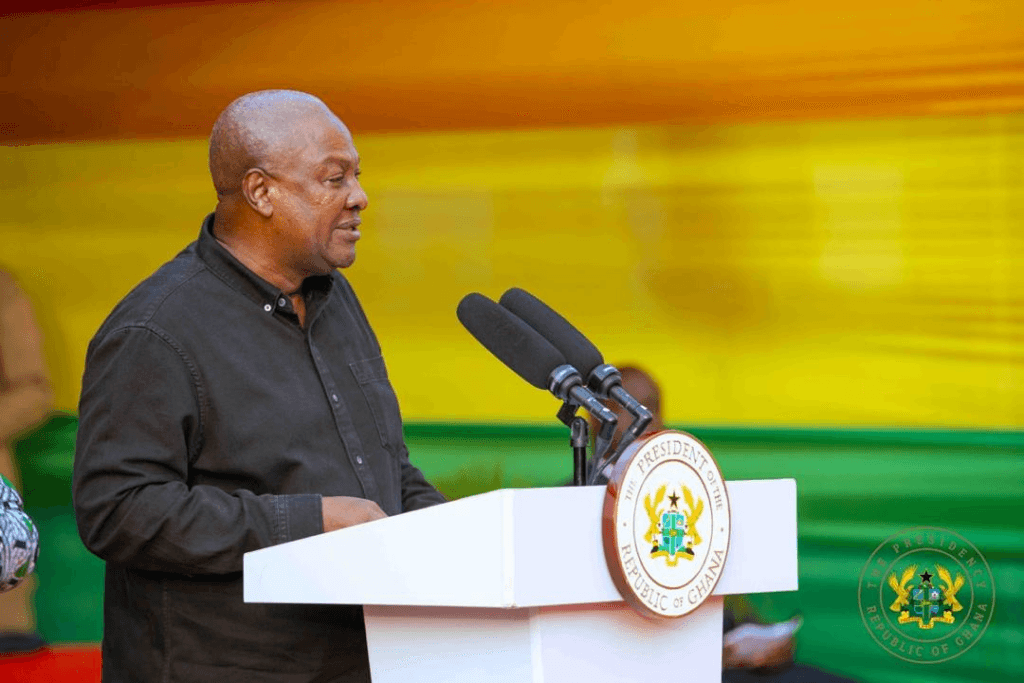
In conclusion, the proposed tax-free equipment imports for factories operating under the 24-Hour Economy initiative is a significant move that is expected to boost the country's industrial sector. While there are concerns about the potential impact on revenue, the benefits of the incentive are likely to outweigh the costs. As the government moves to implement the proposal, it is essential that it puts in place a robust monitoring system to track the impact of the incentive and make adjustments as necessary. With the right implementation and monitoring, the tax-free equipment imports are likely to play a key role in transforming the country's industrial sector and driving economic growth. As President Mahama noted, "the proposed incentive is a demonstration of our commitment to supporting the growth of local industries and promoting economic development. We are confident that it will have a positive impact on the economy and create jobs for our citizens."