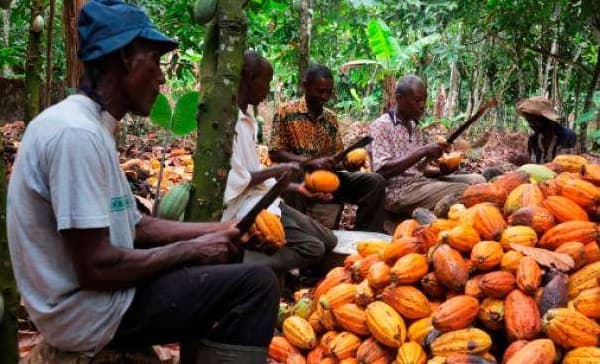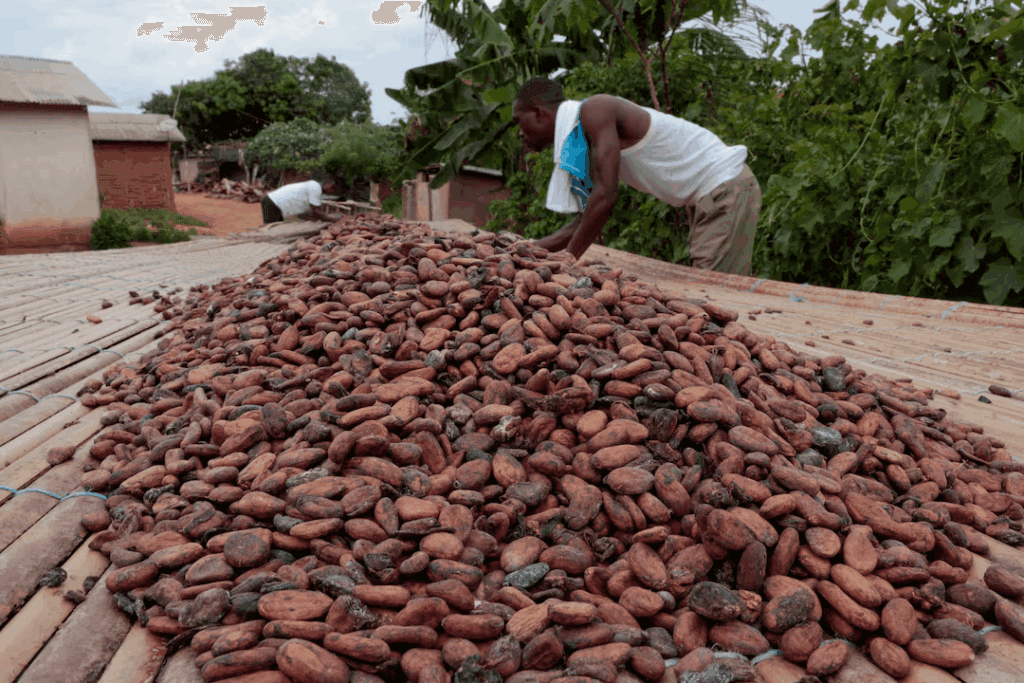
The cocoa sector is a critical component of Ghana's economy, accounting for a significant portion of the country's foreign exchange earnings. The sector employs millions of people, both directly and indirectly, and is a major source of revenue for the government. However, the sector has been facing challenges in recent years, including fluctuations in global prices, diseases, and pests that have affected crop yields. The reduction in the producer price of cocoa is likely to exacerbate these challenges, making it even more difficult for farmers to sustain their livelihoods. According to Dr. Ama Pomaa, a cocoa expert at the IERPP, "the reduction in the producer price of cocoa is a recipe for disaster, as it will lead to a decline in the production of cocoa, which will have a ripple effect on the entire economy."
Economic Implications
The reduction in the producer price of cocoa is expected to have significant economic implications for Ghana. The country's economy is heavily reliant on the cocoa sector, and any disruption to the sector is likely to have a negative impact on the economy as a whole.
"The cocoa sector is the backbone of Ghana's economy, and any instability in the sector will have a ripple effect on the entire economy," said Mr. Kwame Owusu, a former Deputy Minister of Finance.The reduction in the producer price of cocoa is likely to lead to a decline in the production of cocoa, which will result in a reduction in the country's foreign exchange earnings. This, in turn, will lead to a depreciation of the cedi, making it more difficult for the country to import goods and services.
National Security Implications
The crisis in the cocoa sector also poses a significant threat to Ghana's national security. The reduction in the producer price of cocoa is likely to lead to social unrest and instability, as farmers who are already struggling to make ends meet become even more desperate. According to Dr. Kwesi Anning, a security expert, "the crisis in the cocoa sector has the potential to become a national security issue, as desperate farmers may turn to illegal activities, such as armed robbery, to make ends meet." The government will need to take steps to address the crisis in the cocoa sector, including providing support to farmers and implementing policies to stabilize the sector.
The IERPP has called on the government to reconsider its decision to reduce the producer price of cocoa, citing the potential risks to the economy and national security.
"We urge the government to reconsider its decision and engage with stakeholders to find a solution that will benefit all parties involved," said Dr. Pomaa.The government will need to balance the competing interests of farmers, traders, and other stakeholders in the cocoa sector, while also ensuring that the sector is stable and secure. This will require careful consideration of the potential implications of any decisions made, as well as a commitment to implementing policies that support the long-term sustainability of the sector.
Way Forward
To address the crisis in the cocoa sector, the government will need to take a multifaceted approach that addresses the root causes of the problem. This will include providing support to farmers, such as training and inputs, to help them improve their yields and increase their incomes. The government will also need to implement policies to stabilize the sector, such as price controls and subsidies, to ensure that farmers are able to sell their cocoa at a fair price. According to Mr. Owusu, "the government needs to take a holistic approach to addressing the crisis in the cocoa sector, one that takes into account the needs of all stakeholders and ensures that the sector is stable and secure." The government will also need to engage with international partners and organizations to secure support and funding for the sector, and to ensure that Ghana's cocoa is competitive in the global market.
In conclusion, the crisis in the cocoa sector poses a significant threat to Ghana's economy and national security. The reduction in the producer price of cocoa has sparked concerns among stakeholders, and the government will need to take steps to address the crisis and ensure that the sector is stable and secure. The IERPP has warned that the crisis has the potential to become a national security issue, and the government will need to take a multifaceted approach to addressing the problem. As the government moves forward, it will be important to prioritize the needs of farmers and other stakeholders in the sector, while also ensuring that the sector is stable and secure. The future of Ghana's economy and national security depends on it.