ACCRA, Ghana – The Ghana Cocoa Farmers Association (GNACOFA) has formally appealed to the Minister of Finance for an urgent meeting to address a myriad of pressing issues currently impacting the nation's vital cocoa sector. The association underscores the critical need for direct dialogue to collaboratively devise sustainable solutions for the challenges facing thousands of cocoa farmers across the country.
The call for a high-level engagement comes amidst growing concerns over fluctuating international cocoa prices, rising production costs, the persistent effects of climate change, and the overall welfare of farmers. GNACOFA believes that a direct interface with the Finance Minister is essential to articulate these challenges comprehensively and to explore policy interventions that can safeguard the future of Ghana's second-largest foreign exchange earner.
Farmers' Plight and Key Concerns
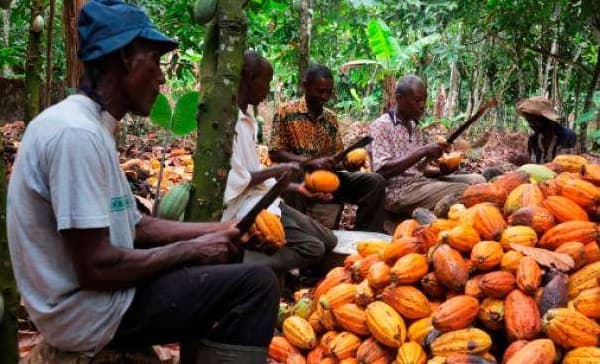
GNACOFA's appeal highlights several core issues that farmers contend with daily. Among the most prominent are the persistent struggles with accessing affordable credit and essential farm inputs, which significantly hamper productivity and profitability. The cost of fertilizers, pesticides, and labor has seen a steady increase, squeezing profit margins for smallholder farmers who form the backbone of the industry.
Mr. Kwame Nkrumah, President of GNACOFA, emphasized the urgency of the situation in a statement released to the press.
"Our farmers are at a crossroads. While we appreciate government's efforts, the realities on the ground demand immediate and direct attention from the highest levels of economic management. We need to discuss sustainable producer prices that reflect the true cost of production and ensure a dignified livelihood for our farmers. The current economic climate is making it increasingly difficult for them to invest in their farms and secure their future."
The association also pointed to the devastating impact of climate change, including unpredictable rainfall patterns and prolonged dry spells, which severely affect cocoa yields. Diseases such as the Cocoa Swollen Shoot Virus continue to pose a significant threat, requiring substantial investment in rehabilitation and replanting initiatives, often beyond the financial reach of individual farmers.
The Economic Imperative for Dialogue
Ghana is the world's second-largest producer of cocoa, with the sector contributing significantly to the national Gross Domestic Product (GDP) and providing direct and indirect employment to millions of citizens. A healthy cocoa sector is therefore not just an agricultural concern but a fundamental pillar of national economic stability and rural development. GNACOFA argues that neglecting the sector's challenges could have far-reaching consequences for the entire economy.
Dr. Ama Boateng, an agricultural economist and lecturer at the University of Ghana, stressed the importance of such dialogue.
"When farmers, who are the primary producers, feel unheard, it can lead to disillusionment and impact productivity. A direct conversation with the Finance Minister is crucial because many of the solutions – from fiscal incentives to investment in research and development, and even international price negotiations – fall under the purview of economic policy. It's about aligning national economic strategy with the ground realities of the cocoa sector."
GNACOFA's proposal aims to foster a collaborative environment where farmer perspectives can directly inform policy formulation, leading to more effective and equitable outcomes. They hope to discuss mechanisms for price stabilization, enhanced farmer support schemes, and innovative financing models tailored to the unique needs of cocoa farmers.
Government's Stance and Future Outlook
While the Ministry of Finance has yet to issue an official statement regarding the specific request from GNACOFA, government officials have consistently reiterated their commitment to supporting the cocoa sector. Sources within the Ministry, speaking on condition of anonymity, indicated that the government is always open to engaging with key stakeholders to address sector-specific challenges.
A senior official from the Ministry of Food and Agriculture, who preferred not to be named, acknowledged the validity of farmers' concerns.
"The government is fully aware of the challenges facing our cocoa farmers, from input costs to climate change adaptation. We have ongoing programs through COCOBOD and other agencies designed to support them. However, direct engagement with GNACOFA would certainly provide an invaluable opportunity to fine-tune our strategies and ensure that policies truly resonate with the needs of those on the ground."
The ball is now in the court of the Finance Minister, whose decision on the meeting could signal a renewed commitment to addressing the foundational issues affecting one of Ghana's most critical economic sectors. GNACOFA remains optimistic that their plea will be met with a positive response, paving the way for constructive dialogue that promises a more secure and prosperous future for Ghana's cocoa farmers.