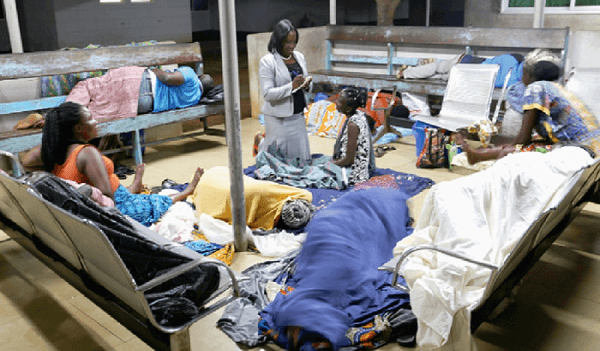
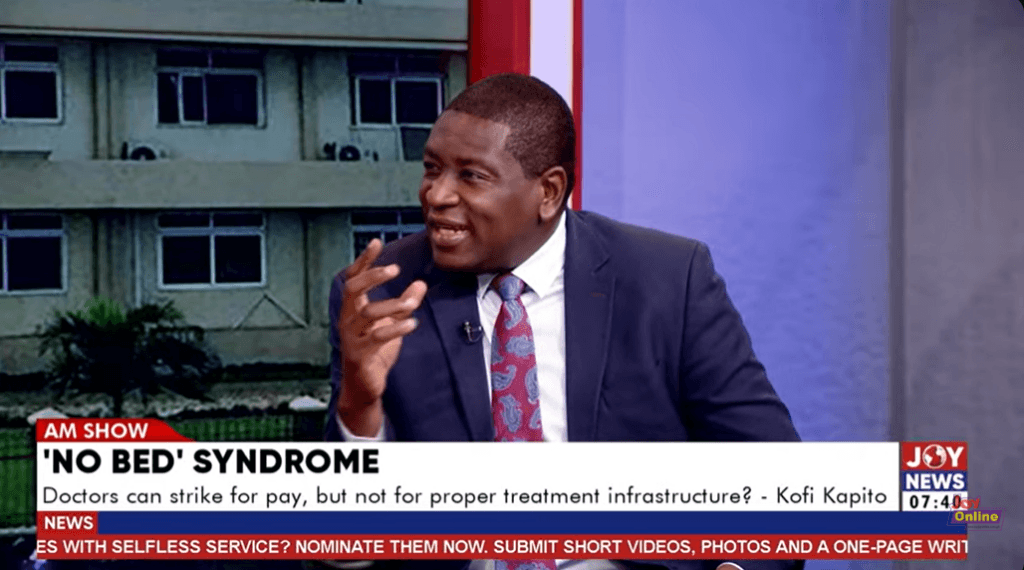
The "no bed syndrome" refers to the practice of turning away patients from hospitals due to a lack of available beds, often resulting in delayed or denied medical care. According to Mr. Poku, his experience at the Komfo Anokye Teaching Hospital was a prime example of this issue. "I was taken to the hospital after a minor accident, and despite my condition, I was left waiting for two hours before receiving any attention," he said. "The hospital was understaffed, and the few workers present seemed overwhelmed and unmotivated, leading to a breakdown in the emergency response system."
Weak Emergency Response and Poor Triage
Mr. Poku's experience highlights the weak emergency response and poor triage in some of Ghana's public hospitals. Triage is the process of determining the priority of patients' treatments based on the severity of their conditions. In a well-functioning emergency response system, patients are quickly assessed, and those with life-threatening conditions receive immediate attention. However, in Mr. Poku's case, the hospital's emergency response system failed, leading to a two-hour wait for care. This delay can have serious consequences, especially for patients with critical conditions, as every minute counts in emergency situations.
According to Dr. Ama Bemma, a medical officer at the Korle Bu Teaching Hospital, "the 'no bed syndrome' is a complex issue that requires a multifaceted approach to address." She explained that poor attitudes among health workers, inadequate infrastructure, and insufficient funding are some of the factors contributing to the problem. "We need to work together to find solutions to these challenges and ensure that our patients receive the care they deserve," she added.
Call to Action
Mr. Poku's experience has sparked a call to action, with many experts and officials weighing in on the issue.
"The 'no bed syndrome' is a national emergency that requires immediate attention," said Dr. Frank Nti, a health policy expert. "We need to invest in our healthcare system, provide adequate training and resources for our health workers, and implement efficient emergency response systems to address this problem."The Ghana Health Service has also responded to the issue, stating that it is working to address the challenges facing the healthcare system, including the "no bed syndrome." A spokesperson for the service said, "We are committed to providing quality healthcare to all Ghanaians, and we are taking steps to improve our emergency response systems and increase access to care."
The issue of the "no bed syndrome" is not unique to Ghana, as many countries face similar challenges in their healthcare systems. However, the frequency and severity of the problem in Ghana have raised concerns among citizens and experts alike. As the country works to address this issue, it is essential to prioritize the healthcare system, invest in infrastructure and human resources, and implement effective emergency response systems to ensure that patients receive timely and quality care.
Way Forward
To address the "no bed syndrome" and improve emergency care in Ghana's public hospitals, experts recommend a comprehensive approach that includes increasing funding for the healthcare system, providing training and resources for health workers, and implementing efficient emergency response systems. Collaboration between government agencies, healthcare providers, and community leaders is also crucial in finding solutions to the problem. By working together, Ghana can strengthen its healthcare system, reduce the incidence of the "no bed syndrome," and provide quality care to all citizens.
In conclusion, Kwadwo Poku's experience at the Komfo Anokye Teaching Hospital highlights the need for urgent attention to the "no bed syndrome" in Ghana's public hospitals. The issue is complex and multifaceted, requiring a comprehensive approach to address the underlying challenges. As the country moves forward, it is essential to prioritize the healthcare system, invest in infrastructure and human resources, and implement effective emergency response systems to ensure that patients receive timely and quality care. By doing so, Ghana can improve the health and well-being of its citizens and provide a better future for generations to come.