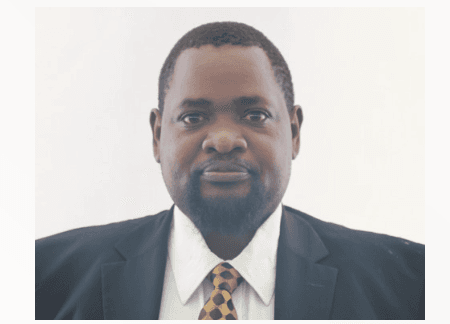
Dr Richard Selormey, General Secretary of the Ghana Medical Association (GMA), has cautioned that a significant disconnect exists between Ghana’s emergency healthcare policies and the actual situation in hospitals, describing the system as highly fragmented and in dire need of reform.
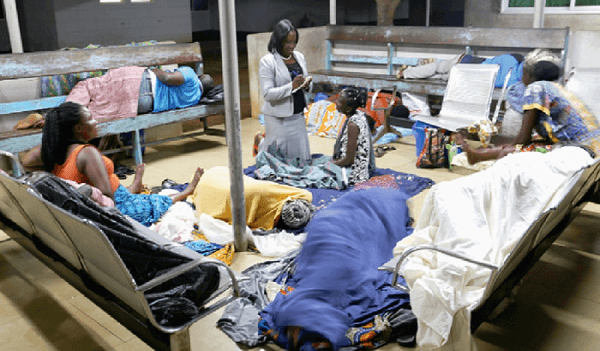
Speaking on Joy FM’s Super Morning Show on Tuesday, 24 February 2026, he explained that while official documents clearly spell out standards for accident and emergency care, conditions on the ground in many facilities do not reflect those expectations.
Responding to a question about the requirements for emergency units, he acknowledged the existence of policy and guideline documents but stressed that translating them into practice is a persistent problem. According to him, although Ghana has well-crafted policies, implementation remains the core challenge.
He stated plainly that what happens in reality differs markedly from what is outlined in the documents.
The conversation followed a review of official standards that mandate hospitals to maintain properly functioning triage sections, resuscitation areas to stabilise patients, observation wards for up to 24 hours, procedure rooms for minor interventions, and designated ambulance bays.
Dr Selormey urged the public to independently assess healthcare facilities to determine how many actually meet these requirements, including whether they have reliable oxygen supplies and adequately trained personnel to operate essential equipment.
He pointed to several systemic weaknesses, such as logistical limitations, weak coordination between ambulance services and hospitals, and an ineffective referral system.
While acknowledging that the National Ambulance Service operates across the country, he noted that it struggles with operational issues, including an insufficient number of ambulances and poor coordination among facilities.
He further highlighted the absence of a centralised system to track bed availability in real time, saying there is no single platform that shows where beds are available at any given moment.
Dr Selormey also criticised the referral process, observing that patients are frequently moved from one facility to another without proper communication or adequate preparation by the receiving hospital.
In addition to infrastructural and logistical problems, he mentioned low staff morale and poor health-seeking behaviour among some members of the public, noting that many individuals delay seeking medical attention until their conditions become critical.
He concluded that the combination of these challenges has created a dangerously fragile system that must be urgently addressed. He called for collaborative efforts involving government, healthcare professionals, the public and the media to prioritise solutions instead of continually focusing on the shortcomings.