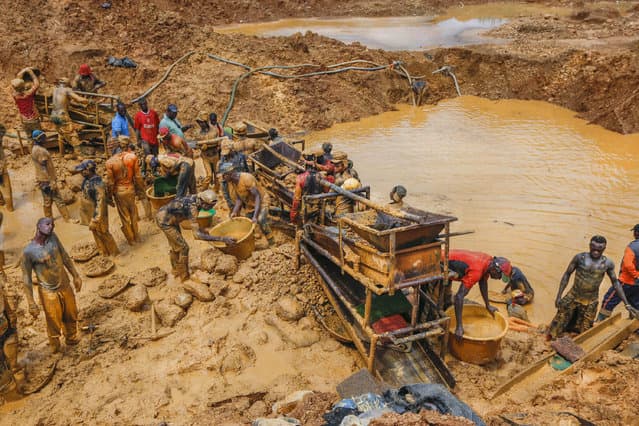
The Pediatric Society of Ghana has been vocal about the dangers of galamsey, which involves the use of mercury and other toxic substances to extract gold from soil and water. These substances, the Society warns, are not only harming the environment but also having a disproportionate impact on children, who are more susceptible to their toxic effects. Dr. Ama Pomaa, a pediatrician and member of the Society, notes that "children are not just passive victims of galamsey; they are often actively involved in the mining process, either by choice or circumstance, which exposes them to even greater health risks." The Society is calling on the government to take swift and decisive action to address the crisis, including declaring a state of emergency and providing support to affected communities.
The Health Consequences of Galamsey
The health consequences of galamsey are far-reaching and devastating. Children living in mining communities are at risk of developing a range of health problems, from mild to severe. Dr. Kwame Ansah, a pediatrician at the Komfo Anokye Teaching Hospital, observes that "we are seeing an increasing number of children with respiratory problems, such as asthma and bronchitis, which are linked to the inhalation of dust and toxic fumes from mining activities." In addition to respiratory problems, children are also at risk of developing skin conditions, such as dermatitis and eczema, due to exposure to toxic substances. The long-term effects of galamsey on children's health are still not fully understood, but experts warn that they could be severe and lasting.
"The health impacts of galamsey on children are a ticking time bomb," warns Dr. Pomaa. "If we do not take action now, we risk condemning an entire generation of children to a lifetime of health problems and disability."The Pediatric Society of Ghana is urging the government to take a comprehensive approach to addressing the crisis, including providing support to affected communities, regulating the mining industry, and educating the public about the dangers of galamsey.
A Call to Action
The Pediatric Society of Ghana is not alone in its calls for action. Other organizations, including the Ghana Medical Association and the Environmental Protection Agency, have also urged the government to take decisive action to address the crisis. Dr. Frank Ankobea, a researcher at the University of Ghana, notes that "the government has a responsibility to protect the health and wellbeing of its citizens, particularly children, who are the most vulnerable members of society." The Society is urging President Mahama to declare a state of emergency over galamsey, which would enable the government to take swift and decisive action to address the crisis.
In addition to declaring a state of emergency, the Society is calling on the government to provide support to affected communities, including access to healthcare and education. The Society is also urging the government to regulate the mining industry, including enforcing laws and regulations that prohibit the use of toxic substances. Dr. Ankobea observes that "regulating the mining industry is not just a matter of enforcing laws and regulations; it is also about ensuring that mining activities are conducted in a responsible and sustainable manner that prioritizes the health and wellbeing of local communities."
Conclusion
The Pediatric Society of Ghana's call to action highlights the urgent need for the government to address the devastating health impacts of galamsey on children. The situation is critical, and immediate intervention is necessary to mitigate the long-term effects of galamsey on the health and wellbeing of Ghana's future generations. As the Society and other organizations continue to push for action, it remains to be seen whether the government will respond to their calls and take the necessary steps to protect the health and wellbeing of children in mining communities. One thing is certain, however: the future of Ghana's children depends on it. Dr. Pomaa emphasizes that "we owe it to ourselves, our children, and future generations to take action now and ensure that galamsey is brought under control, once and for all." The clock is ticking, and the government must act swiftly to address this crisis before it is too late.