Guadalajara, Mexico – The specter of further violence hangs heavy over Guadalajara, Jalisco’s capital, days after a terrifying cartel rampage on Sunday left a visible trail of destruction and deepened fears among its residents. Authorities are on high alert, facing the daunting task of preventing another eruption of organized crime activity in one of Mexico’s most significant urban centers.
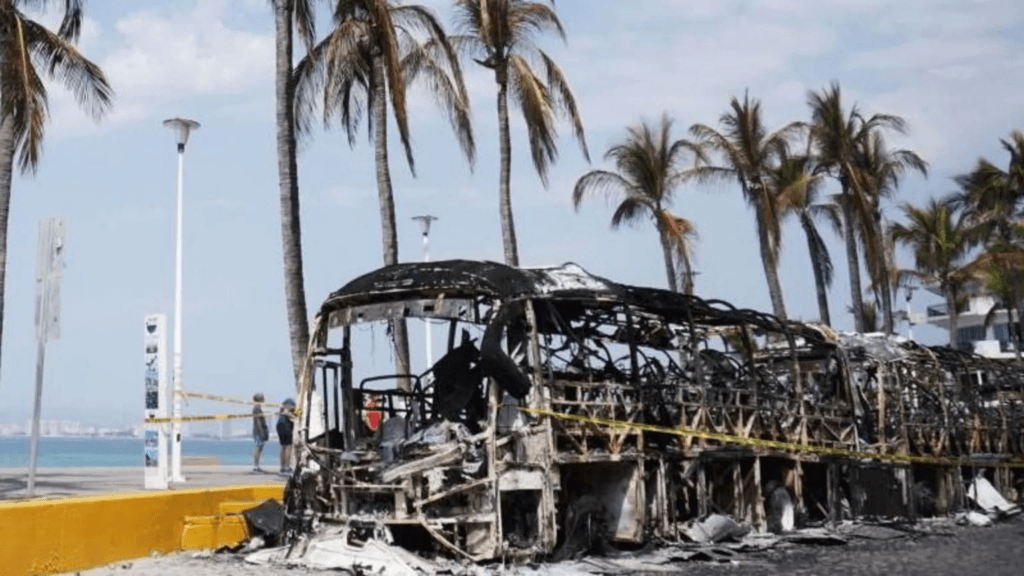
Evidence of the coordinated attacks by the Jalisco New Generation Cartel (CJNG) remains starkly present across the city. Charred husks of vehicles, including passenger cars and commercial trucks, litter major thoroughfares and overpasses, serving as grim reminders of the blockades and arson used to sow chaos and terror. Shattered glass from bus stops and businesses caught in the crossfire adds to the desolate landscape, while the faint, acrid smell of smoke still lingers in some affected areas. The immediate aftermath saw a city paralyzed by fear, with residents sheltering in place as reports of armed confrontations and burning vehicles spread rapidly.
Details of the Rampage
Sunday's rampage unfolded as a series of meticulously coordinated attacks, primarily targeting key transportation arteries and public infrastructure. The CJNG, one of Mexico’s most powerful and violent criminal organizations, reportedly orchestrated the events in response to heightened security operations and the alleged detention of a high-ranking member. Militants set up roadblocks using stolen vehicles, which were then doused in gasoline and set ablaze, creating formidable barriers and disrupting traffic across the metropolitan area.
In several instances, cartel members engaged in direct confrontations with security forces, though official reports on casualties among law enforcement and cartel members remain limited. Civilians, however, bore the brunt of the disruption, with businesses forced to close, public transport suspended, and countless individuals stranded or unable to reach their homes. The brazenness and scale of the attacks underscored the cartel’s capacity to challenge state authority and inflict widespread panic.
"We condemn these heinous acts of violence aimed at terrorizing our citizens and disrupting the peace of our state," stated Jalisco Governor Enrique Alfaro Ramírez in a press conference following the events.
"Our security forces responded swiftly to contain the situation, but the scars of this brutality are evident. We will not be intimidated by these criminal elements, and we are mobilizing every resource to ensure justice and prevent any recurrence."
Lingering Fear and Increased Security
Days later, the physical damage is slowly being cleared, but the psychological impact on Guadalajara’s 5 million inhabitants is profound. Many residents express a palpable sense of unease, wary that Sunday’s events could be a prelude to further unrest. The visible presence of heavily armed security forces, including units of the National Guard and state police, has notably increased in strategic locations and neighborhoods previously affected by the violence. Patrols are frequent, and checkpoints have been established on routes leading into and out of the city.
Dr. Elena Ramirez, a security analyst at the National Autonomous University of Mexico, emphasized the strategic nature of the cartel's actions.
"This rampage was a clear demonstration of the cartel's capacity to disrupt public order and project power. It sends a message not only to rival groups but also to the state, indicating a willingness to escalate violence in response to pressure."
She added,
"The 'all quiet' period is often just a prelude to further unrest in these dynamic conflicts, especially when the underlying power struggles remain unresolved."
Economic and Social Repercussions
The attacks have also raised concerns about the long-term economic and social repercussions for Guadalajara, a vital economic hub and tourist destination. Businesses, particularly those reliant on daily commerce and tourism, suffered significant losses during the period of disruption. While official assurances of safety have been made, the perception of insecurity could deter investment and tourism, key drivers of the regional economy.
Local business chambers have called for urgent government action to restore confidence and guarantee the safety of citizens and enterprises. "The fear generated by these events directly impacts the economic vitality of our city," said María Fernández, president of the Guadalajara Chamber of Commerce.
"We need not only immediate security measures but also a robust, long-term strategy to dismantle these criminal networks and protect our economic future."
The Path Forward
Authorities acknowledge the formidable challenge ahead. Investigations into Sunday’s events are ongoing, with federal and state agencies collaborating to identify and apprehend those responsible. The focus is not only on prosecuting the perpetrators but also on understanding the cartel’s command structure and operational tactics to preempt future attacks.
The government's strategy involves a multi-pronged approach: increased intelligence gathering, targeted operations against cartel leaders and financial networks, and strengthening local police forces. However, experts like Dr. Ramirez caution that a purely security-focused approach may not be sufficient. "Combating organized crime requires a holistic strategy that addresses socio-economic factors, strengthens judicial institutions, and tackles corruption," she noted, highlighting the deep-seated nature of the problem.
As Guadalajara attempts to recover from the recent trauma, the threat of further violence remains a pressing concern. The city, known for its vibrant culture and economic dynamism, finds itself at a critical juncture, grappling with the pervasive influence of organized crime and striving to ensure the safety and prosperity of its people amidst an uncertain future. The coming weeks will be crucial in determining whether the state can effectively reassert control and prevent a resurgence of cartel-driven terror.