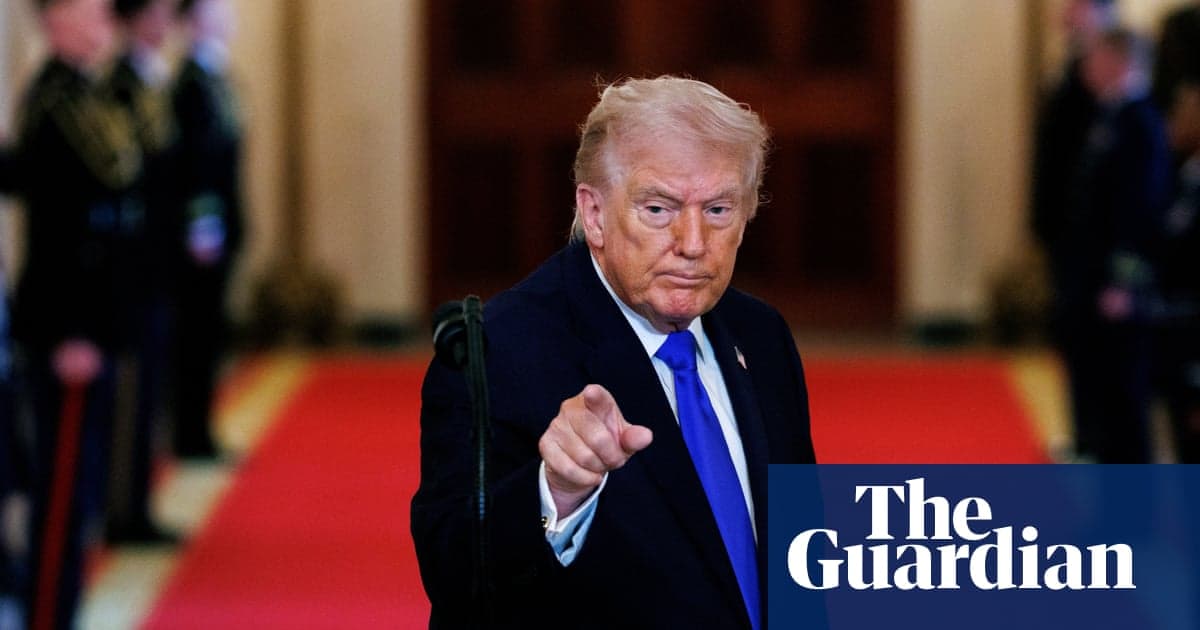
The involvement of Kushner, the President's son-in-law, and Witkoff, a long-time friend and business associate, in such high-stakes national security deliberations marks a departure from traditional White House protocol. While both men are known to have the President's ear on a range of issues, their direct influence on a potential military engagement with a major geopolitical adversary underscores the President's reliance on a tight circle of trusted confidantes outside conventional military and diplomatic channels.
Sources familiar with the discussions suggest that Kushner and Witkoff are offering perspectives that complement, and in some cases challenge, the recommendations put forth by national security officials and Pentagon strategists. Their advice is believed to focus on a blend of geopolitical strategy, economic implications, and the potential impact on global stability, viewed through a lens perhaps less constrained by established foreign policy doctrines.
"The President values a diverse range of opinions and insights, especially during moments of profound national security consequence," stated a senior White House official, speaking on condition of anonymity to discuss internal deliberations. "Mr. Kushner brings a unique strategic perspective honed from his diplomatic efforts, while Mr. Witkoff offers an invaluable understanding of complex deal-making and risk assessment that the President highly respects."
The looming decision comes amidst a period of heightened friction between Washington and Tehran. Recent weeks have seen an escalation of rhetoric and incidents, including suspected attacks on international shipping and the downing of an American drone, which have fueled calls for a strong US response. Despite these provocations, the administration has consistently maintained that while all options remain on the table, it prefers a diplomatic resolution.
Last-Ditch Diplomacy on the Horizon
Central to the immediate future are the "last-ditch" negotiations slated for Thursday. Details regarding the format and participants of these talks remain scarce, but they are widely seen as a critical opportunity to de-escalate tensions and potentially avert military conflict. Observers believe these discussions will aim to find common ground on issues such as Iran's nuclear program, its regional activities, and the future of sanctions relief.
"These negotiations are a make-or-break moment," commented Dr. Evelyn Reed, a senior fellow at the Center for Middle East Studies. "The international community is holding its breath. Failure to achieve any breakthrough could push both sides closer to a dangerous precipice, making the President's ultimate decision even more perilous. The influence of non-traditional advisors in such sensitive diplomacy could either offer fresh solutions or complicate an already delicate process."
The stakes are extraordinarily high. A military confrontation with Iran could destabilize the entire Middle East, impact global oil markets, and potentially draw other regional and international actors into a broader conflict. The US, having recently ended long-standing military engagements in other parts of the world, faces a strategic dilemma regarding the appropriate level of intervention.
Public Sentiment a Key Factor
Further complicating the President's calculations is the prevailing sentiment among the American public. A significant majority of US adults express concern that the country is headed in the wrong direction, a sentiment that could limit public appetite for new foreign entanglements or military conflicts. This widespread unease is often linked to domestic issues such as the economy, healthcare, and political polarization, but it invariably shapes the public's receptiveness to foreign policy initiatives.
"When the public is already feeling uneasy about the state of the nation, leaders face immense pressure to demonstrate clear, compelling justifications for any military action abroad," noted Dr. David Chen, a political sociologist and polling expert. "A president contemplating military strikes in this environment would have to weigh the potential domestic backlash against the perceived strategic necessity. The 'wrong direction' sentiment is not just about local issues; it reflects a broader desire for stability and a cautious approach to international affairs."
The President's reliance on advisors like Kushner and Witkoff, who are outside the traditional national security apparatus, might be interpreted by some as an attempt to find unconventional solutions that align with public sentiment for restraint, or perhaps to insulate decisions from the established bureaucracy. However, critics often raise concerns about the transparency and accountability of such informal advisory structures in matters of war and peace.
As Thursday's negotiations approach, the world watches to see if diplomacy can prevail. Should talks falter, President Trump will face one of the most consequential decisions of his presidency, a choice that will undoubtedly be shaped by a unique blend of formal expert advice, close personal counsel, and the underlying mood of a nation seeking direction.