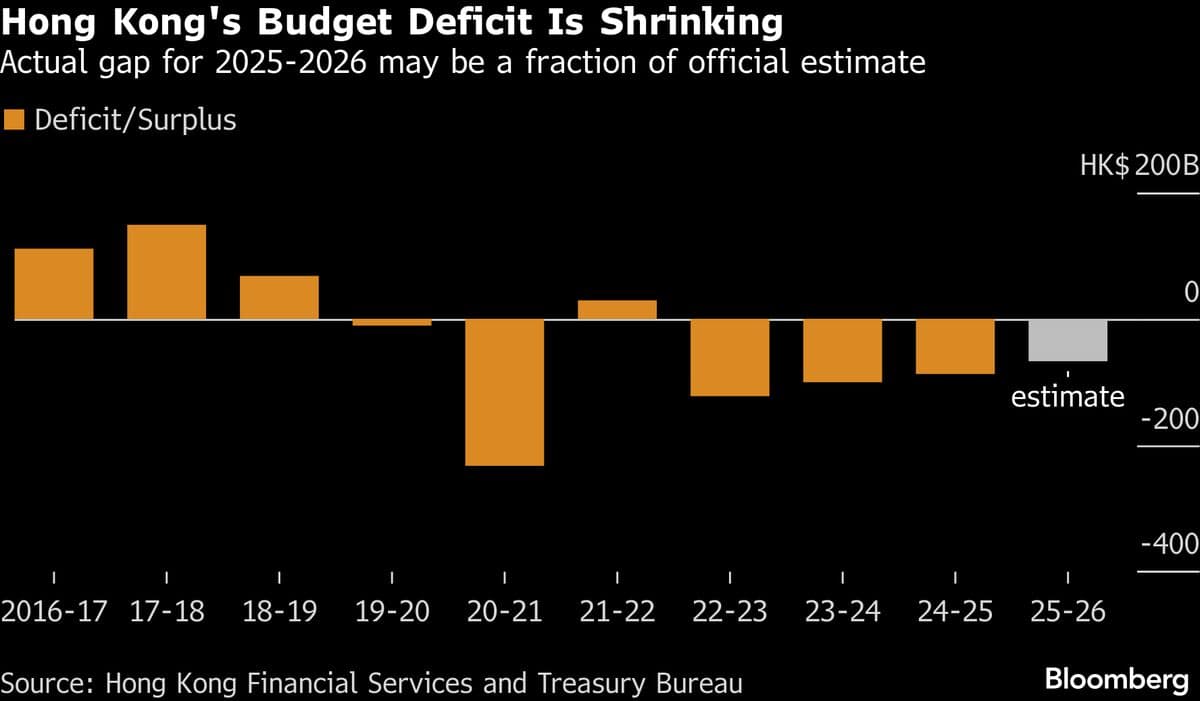
The budget deficit reduction is a welcome respite for Hong Kong, which has faced significant economic challenges in recent years, including the COVID-19 pandemic and social unrest. The city's financial secretary has been working to stimulate economic growth through a combination of fiscal measures and investments in key sectors, such as technology and innovation. As the city seeks to diversify its economy and reduce its reliance on traditional industries, the focus on technology and innovation is expected to play a crucial role in driving growth and creating new opportunities. "The Hong Kong government has been proactive in promoting innovation and technology, and we are seeing the results of these efforts," said Dr. David Wong, a professor of economics at the University of Hong Kong. "The reduction in the budget deficit is a testament to the government's fiscal prudence and its commitment to creating a favorable business environment."
Investing in Innovation
The Hong Kong government has been investing heavily in innovative technologies, such as artificial intelligence, blockchain, and fintech. These investments are expected to pay off in the long run, as the city becomes a hub for start-ups and entrepreneurs. The government has also established a number of initiatives, such as the Innovation and Technology Fund, to support research and development in key sectors.
"We are committed to creating a vibrant ecosystem for innovation and technology, and we are seeing significant interest from investors and entrepreneurs," said Nicholas Yang, the Secretary for Innovation and Technology. "Our goal is to make Hong Kong a leader in technological innovation, and we are making good progress towards achieving this goal."The focus on innovation is also expected to create new job opportunities and drive economic growth, as the city seeks to diversify its economy and reduce its reliance on traditional industries.
The reduction in the budget deficit is also expected to provide a boost to the city's financial sector, which has faced significant challenges in recent years. The Hong Kong Stock Exchange has been one of the busiest in the world, with a number of high-profile listings and initial public offerings (IPOs). The city's financial sector is also home to a number of major banks and financial institutions, which have been attracted by the city's favorable business environment and its proximity to mainland China. The government's commitment to maintaining a favorable business environment and its efforts to promote innovation and technology are expected to continue to attract investors and financial institutions to the city. "Hong Kong has a unique advantage as a financial hub, with its proximity to mainland China and its favorable business environment," said James Lynch, a financial analyst at a major bank. "The reduction in the budget deficit is a positive development, and we expect to see continued growth and investment in the city's financial sector."
Modest Relief Measures
In addition to the reduction in the budget deficit, the Hong Kong government is also expected to announce modest relief measures, such as tax cuts and subsidies, to support low-income families and small businesses. These measures are expected to be well-received by the public, as the city seeks to address concerns about income inequality and the high cost of living. The government's commitment to supporting low-income families and small businesses is expected to be a key theme of the budget address, as the city seeks to promote social cohesion and economic growth. "We are committed to supporting those in need and promoting social cohesion, and we will continue to work towards creating a more equitable society," said Law Chi-kwong, the Secretary for Labour and Welfare. "The relief measures announced in the budget address will provide much-needed support to low-income families and small businesses, and will help to promote economic growth and social stability."
The budget address is expected to be closely watched by investors, businesses, and the general public, as the city seeks to reinforce its position as a global financial hub and a leader in technological innovation. The reduction in the budget deficit and the focus on innovation and technology are expected to be key themes of the address, as the government seeks to create a favorable business environment and promote economic growth. As the city looks to the future, the government's commitment to fiscal prudence, innovation, and social cohesion is expected to play a crucial role in shaping its economic and social development.
"The budget address will provide a clear direction for the city's economic and social development, and will outline the government's plans for promoting growth and stability," said Dr. Wong. "We expect to see a continued focus on innovation and technology, as well as measures to support low-income families and small businesses."As the city seeks to navigate the challenges and opportunities of the 21st century, the government's budget address is expected to provide a roadmap for the future, and to reinforce Hong Kong's position as a global leader in finance, innovation, and technology.
In conclusion, the Hong Kong government's budget address is expected to provide a boost to the city's economy and financial sector, as the government announces a significant reduction in the budget deficit and outlines its plans for promoting innovation and technology. The focus on innovation and technology is expected to create new opportunities for businesses and entrepreneurs, while the relief measures announced in the budget address will provide much-needed support to low-income families and small businesses. As the city looks to the future, the government's commitment to fiscal prudence, innovation, and social cohesion is expected to play a crucial role in shaping its economic and social development, and reinforcing its position as a global financial hub and a leader in technological innovation. The city's ability to adapt to changing circumstances and to promote economic growth and social stability will be crucial in the years ahead, as it seeks to navigate the challenges and opportunities of the 21st century.