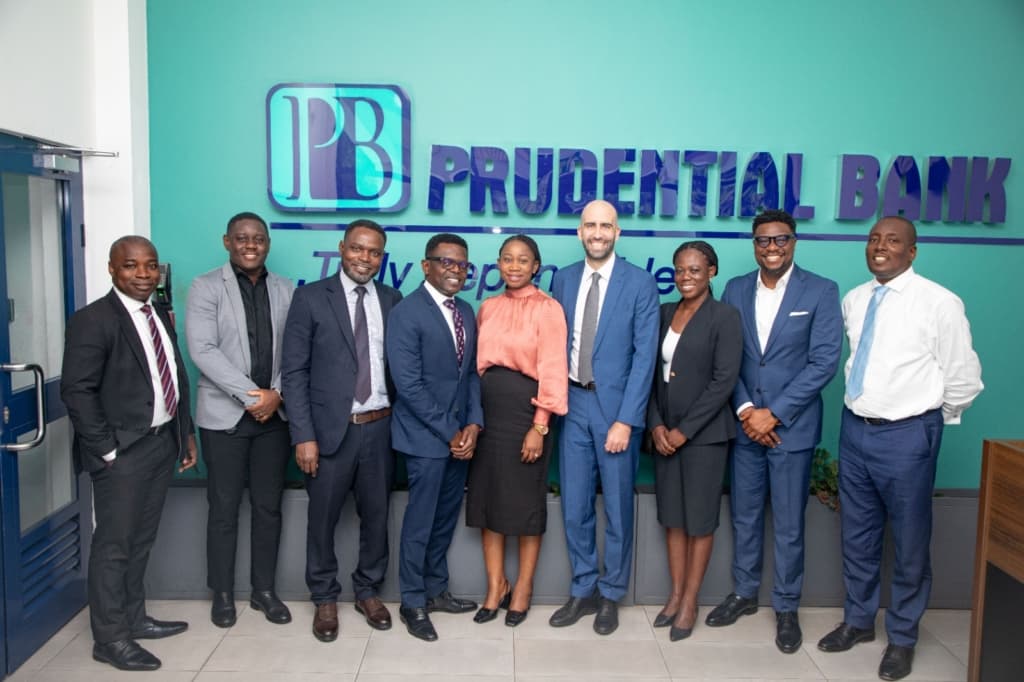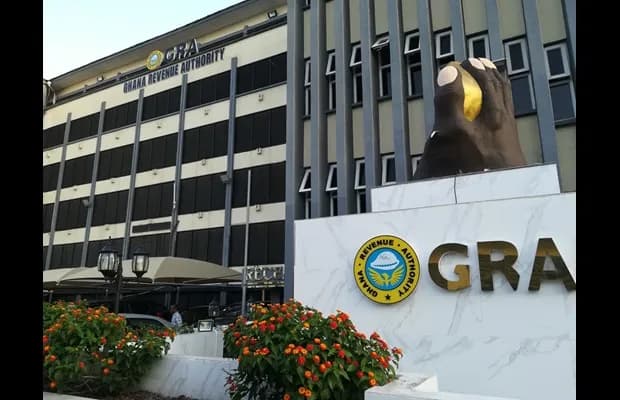
The enforcement operation that led to the interdiction was part of the GRA's ongoing efforts to monitor and regulate the movement of goods, especially those in transit to other countries. According to sources within the GRA, the operation was meticulously planned and executed to identify any lapses in the customs clearance process that could lead to revenue loss or facilitate illegal activities. The specific details of the operation and the nature of the breaches by the interdicted officers have not been fully disclosed, but it is understood that they involve significant violations of customs protocols and procedures.
Background and Context
The Ghana Revenue Authority is tasked with the critical responsibility of ensuring that all import and export activities are conducted in accordance with the law, thereby protecting national revenue and facilitating legitimate trade. The Customs Division of the GRA plays a pivotal role in this endeavor, as it is responsible for the assessment, collection, and accounting of all import and export duties and taxes. Any breach in the customs process can have serious implications, including loss of revenue, compromised national security, and undermining of the country's trade facilitation efforts.
Commenting on the interdiction, a spokesperson for the GRA noted, "The Authority takes all allegations of misconduct very seriously and will not hesitate to take firm action against any officer found to have breached our codes of conduct and professional standards. The integrity of our operations is paramount, and we are committed to maintaining the highest levels of transparency and accountability in our service to the nation."
Implications and Next Steps
The interdiction of the five customs officers is seen as a stern warning to all personnel within the GRA that any form of misconduct will be thoroughly investigated and severely punished. It also underscores the Authority's commitment to its mandate and its resolve to root out any practices that could undermine the effectiveness of its operations. As the investigation into the alleged breaches continues, the GRA is expected to implement additional measures to strengthen its internal controls and surveillance mechanisms to prevent similar incidents in the future.
"The action taken by the GRA is a positive step towards ensuring that the customs process in Ghana is transparent and free from corruption. It sends a strong message that the Authority is serious about its role in protecting national revenue and facilitating legitimate trade," said Dr. Adelaide Addo, a trade policy analyst. "However, it is also important for the GRA to consider systemic reforms that can help prevent such breaches from occurring in the first place, rather than just addressing the symptoms."
In the wake of the interdiction, the GRA is likely to face increased scrutiny from both domestic and international stakeholders. The Authority's ability to handle the situation transparently and efficiently will be closely watched, as it reflects on Ghana's commitment to good governance and the rule of law. Moreover, the impact of this development on trade relations, particularly with Niger, will be an area of interest, as any disruption in the transit cargo process could have broader economic implications.
Conclusion and Future Outlook
The interdiction of the five customs officers by the Ghana Revenue Authority marks a significant development in the country's efforts to enhance transparency and accountability in its revenue collection and trade facilitation processes. As the investigation unfolds and the GRA implements measures to prevent future breaches, the Authority is poised to emerge stronger and more committed to its mission. The move also highlights the importance of vigilance and the need for continuous improvement in customs operations, not just in Ghana but across the region. Looking ahead, it will be crucial for the GRA to balance its enforcement efforts with systemic reforms, aiming to create an environment that promotes compliance and facilitates legitimate trade, while safeguarding national interests.