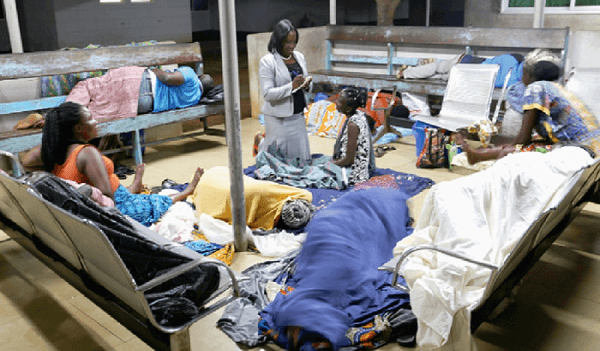
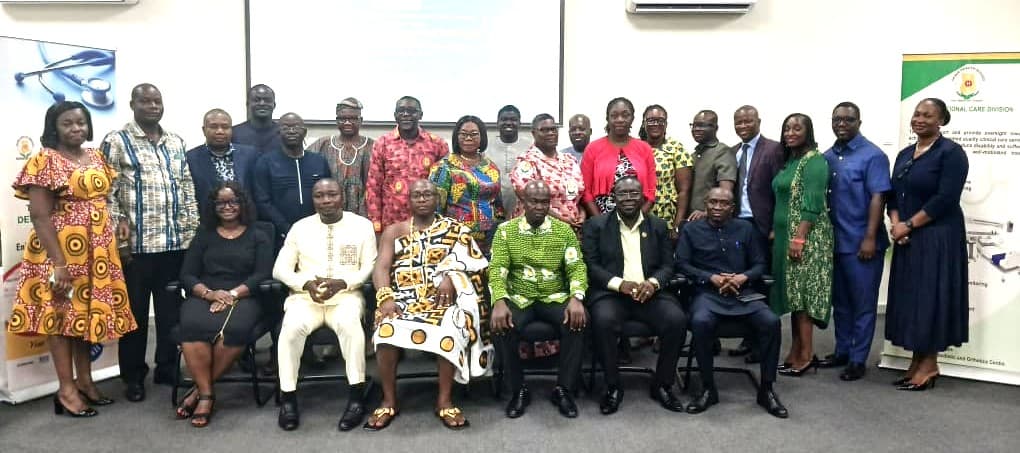
The Free Primary Healthcare policy is designed to address the long-standing challenge of healthcare accessibility in Ghana, where many individuals, particularly in rural settings, often have to travel long distances to receive basic medical care. By bringing healthcare services closer to these communities, the policy aims to reduce the burden on already overwhelmed healthcare facilities in urban areas and improve health outcomes nationwide. As part of the preparations, health workers across the country are undergoing sensitization and training to equip them with the necessary skills and knowledge to effectively implement the policy. Dr. Kwame Owusu-Acheampong, a senior official at the Ghana Health Service, emphasized the importance of this training, stating, "It is crucial that our health workers are well-prepared to handle the expected increase in patient load and to provide high-quality care, especially in the management of non-communicable diseases which require continuous monitoring and follow-up."
Focus on Non-Communicable Diseases
The policy's emphasis on early diagnosis and management of non-communicable diseases such as hypertension and diabetes reflects the growing concern about these conditions in Ghana. These diseases have become a significant public health issue, accounting for a substantial proportion of morbidity and mortality in the country.
"The impact of non-communicable diseases on families and communities can be devastating, both in terms of health outcomes and economic burden,"noted Professor Akosua Adomah-Afari, a renowned expert in public health. She further highlighted the importance of early intervention, saying,
"By detecting and managing these conditions early, we can prevent complications, reduce the need for costly treatments, and improve the quality of life for individuals and families affected by these diseases."
Community Engagement and Participation
A key component of the Free Primary Healthcare policy is community engagement and participation. The Ghana Health Service recognizes that the success of the policy depends on the active involvement of the communities it serves. Therefore, efforts are being made to sensitise community members about the benefits of the policy and encourage them to take ownership of their health. Mr. Francis Dogbatse, a community health officer, expressed optimism about the potential impact of the policy, saying, "When communities are involved in the planning and delivery of healthcare services, they are more likely to use these services and adhere to health advice, leading to better health outcomes." Community health workers are being trained to play a critical role in this process, serving as a bridge between the healthcare system and the communities.
The implementation of the Free Primary Healthcare policy is a complex process that requires careful planning, coordination, and resources. The Ghana Health Service is working closely with other stakeholders, including the Ministry of Health, development partners, and civil society organizations, to ensure a smooth rollout. Despite the challenges that lie ahead, there is a sense of optimism among health professionals and policymakers about the potential of this policy to transform Ghana's healthcare landscape. As Dr. Anthony Nsiah-Asare, Director-General of the Ghana Health Service, observed,
"The Free Primary Healthcare policy is a bold step towards achieving universal health coverage in Ghana. It represents our commitment to ensuring that every Ghanaian, regardless of their background or location, has access to quality healthcare services."
Looking Ahead
As Ghana prepares to implement the Free Primary Healthcare policy, the international community is watching with interest. The success of this initiative could serve as a model for other countries facing similar healthcare challenges. For Ghanaians, the policy offers hope for a healthier future, where access to quality healthcare is not determined by socioeconomic status or geographical location. While there are challenges to be addressed, including the need for sustained funding and the capacity to deliver services at the community level, the determination of the Ghana Health Service and its partners to make this policy a success is evident. As the country moves forward with the implementation, it is clear that the Free Primary Healthcare policy has the potential to be a game-changer in Ghana's healthcare system, bringing the nation closer to its goal of universal health coverage and improving the health and well-being of its people.
In conclusion, the impending rollout of the Free Primary Healthcare policy in Ghana marks a significant milestone in the country's efforts to strengthen its healthcare system and ensure that all citizens have access to essential medical care. With its focus on community-based care, early diagnosis and management of non-communicable diseases, and community engagement, this policy has the potential to make a profound impact on the health outcomes of Ghanaians. As the nation embarks on this ambitious initiative, it is poised to learn valuable lessons that could inform healthcare policy and practice not only in Ghana but also in other parts of the world.