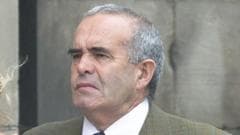
The news has sent shockwaves through the parliamentary community, with many MPs seeking clarification on the Speaker's actions. Sir Lindsay addressed the concerns in a statement to the House of Commons, explaining that he had received information that suggested Lord Mandelson might pose a flight risk. The Speaker emphasized that his primary concern was to ensure that justice was served and that the information was handled appropriately. As Sir Lindsay stated, "I took the decision to pass on the information to the police as I believed it was relevant to their investigation and it was my duty to do so."
Background and Context
The case involving Lord Mandelson has been making headlines in recent weeks, with the former Labour minister facing allegations of wrongdoing. As the investigation unfolded, concerns were raised about the potential for Lord Mandelson to leave the country, which could have hindered the progress of the case. It was against this backdrop that Sir Lindsay Hoyle decided to intervene, using his position to facilitate the sharing of information with the authorities. Experts believe that the Speaker's actions were guided by a desire to uphold the integrity of the parliamentary system, while also ensuring that the rule of law was respected.
Dr. Kathryn Simpson, a constitutional expert at the University of London, noted that "the Speaker's role is not only to preside over the House of Commons but also to protect the reputation of Parliament. In this instance, Sir Lindsay Hoyle appears to have acted in a manner that is consistent with his duties and responsibilities." When asked about the potential implications of the Speaker's actions, Dr. Simpson added,
"The key issue here is whether the Speaker overstepped his boundaries. However, based on the information available, it seems that Sir Lindsay acted in good faith and with the best interests of the investigation at heart."
Reaction and Implications
The reaction to the Speaker's decision has been varied, with some MPs expressing support for his actions. Labour MP, Sarah Jones, stated that "the Speaker has a critical role to play in maintaining the integrity of our parliamentary system. If he had reason to believe that Lord Mandelson posed a flight risk, then it was right that he shared that information with the police." However, others have raised questions about the potential consequences of the Speaker's involvement, with some arguing that it could set a problematic precedent. Conservative MP, James Davies, commented,
"While I understand the Speaker's desire to assist the investigation, we need to be careful about blurring the lines between the parliamentary system and the justice system. We must ensure that the Speaker's actions do not undermine the independence of the police or the judiciary."
As the debate continues, it is clear that the Speaker's decision to pass on information about Lord Mandelson's potential flight risk has significant implications. The case highlights the complex and often delicate relationship between the parliamentary system and the justice system. It also raises important questions about the role of the Speaker and the extent to which they should be involved in investigations. According to Professor Michael Moran, a specialist in parliamentary affairs, "the Speaker's actions demonstrate the challenges of navigating the complexities of the British constitution. As we move forward, it will be essential to clarify the boundaries of the Speaker's role and ensure that they are acting in a manner that is consistent with their duties and responsibilities."
In conclusion, the revelation that Commons Speaker Sir Lindsay Hoyle passed on information about Lord Mandelson's potential flight risk to the police has sparked a vital debate about the Speaker's role and the relationship between the parliamentary system and the justice system. As the investigation into Lord Mandelson continues, it is likely that the Speaker's actions will come under further scrutiny. Ultimately, the outcome of this case will have significant implications for the future of the parliamentary system and the way in which it interacts with the justice system. As the situation unfolds, one thing is certain – the need for clarity, transparency, and accountability will be paramount.