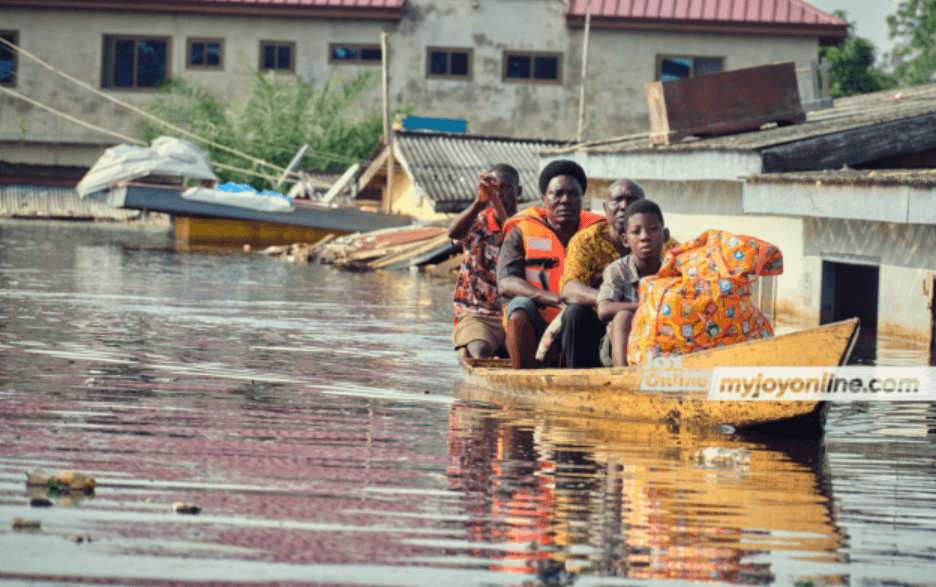
The strategy, which is still in its implementation phase, will involve the collaboration of various government agencies, non-governmental organizations, and local communities. Dr. Ama Owusu, the Director of Social Protection at the Ministry, explained that the approach will prioritize the needs of the most vulnerable populations, including women, children, and the elderly. "We recognize that flooding has a disproportionate impact on vulnerable communities, and it is our responsibility to ensure that they are protected and supported," she said. "Our strategy will focus on providing emergency relief, rebuilding critical infrastructure, and implementing sustainable measures to prevent future flooding."
Key Components of the Strategy
The government's strategy to combat flooding will comprise several key components, including the construction of flood-resistant infrastructure, the implementation of early warning systems, and the provision of emergency relief to affected communities. Mr. Kofi Addo, a flood management expert at the Ministry, noted that the construction of flood-resistant infrastructure will be a critical aspect of the strategy. "We will be working to build flood-resistant houses, schools, and healthcare facilities in high-risk areas," he said. "This will not only protect lives and property but also provide a sense of security and stability for vulnerable communities."
In addition to infrastructure development, the government will also implement early warning systems to alert communities of potential flood risks.
"Early warning systems are crucial in saving lives and reducing the impact of floods,"said Dr. Owusu.
"We will be working with local communities to establish a network of flood monitoring stations and warning systems that will provide timely and accurate information to help them prepare for and respond to floods."The early warning systems will be complemented by emergency relief measures, including the provision of food, shelter, and healthcare to affected communities.
Community Engagement and Participation
The government's strategy to combat flooding will also emphasize the importance of community engagement and participation. Ms. Abena Mensah, a community development specialist at the Ministry, noted that community participation will be critical in ensuring the success of the strategy. "We will be working closely with local communities to raise awareness about flood risks and to promote community-led initiatives to mitigate the impact of floods," she said. "By empowering communities to take ownership of flood mitigation efforts, we can ensure that our strategy is sustainable and effective in the long term."
Community engagement and participation will also involve the establishment of flood management committees at the local level. These committees will comprise community leaders, local government officials, and other stakeholders who will work together to coordinate flood mitigation efforts and provide support to affected communities. Mr. Addo noted that the flood management committees will play a critical role in ensuring that the government's strategy is tailored to the specific needs of each community. "By working with local communities, we can ensure that our strategy is responsive to their needs and priorities," he said.
The government's strategy to combat flooding has been welcomed by experts and community leaders, who have praised the Ministry's commitment to addressing the needs of vulnerable communities. Dr. Owusu noted that the strategy is a major step forward in the government's efforts to protect vulnerable communities from the devastating effects of floods. "We recognize that flooding is a complex and challenging issue, and we are committed to working with all stakeholders to find sustainable solutions," she said. "Our strategy is a testament to our commitment to protecting the lives and livelihoods of vulnerable communities, and we are confident that it will make a significant difference in the lives of those who need it most."
In conclusion, the government's strategy to combat flooding and protect vulnerable communities is a critical step towards addressing the perennial flooding challenges faced by many communities. By prioritizing the needs of vulnerable populations, implementing sustainable measures to prevent future flooding, and promoting community engagement and participation, the government can ensure that its strategy is effective and sustainable in the long term. As the rainy season approaches, it is essential that all stakeholders work together to support the government's efforts to protect vulnerable communities from the devastating effects of floods. By doing so, we can build a safer, more resilient future for all.