
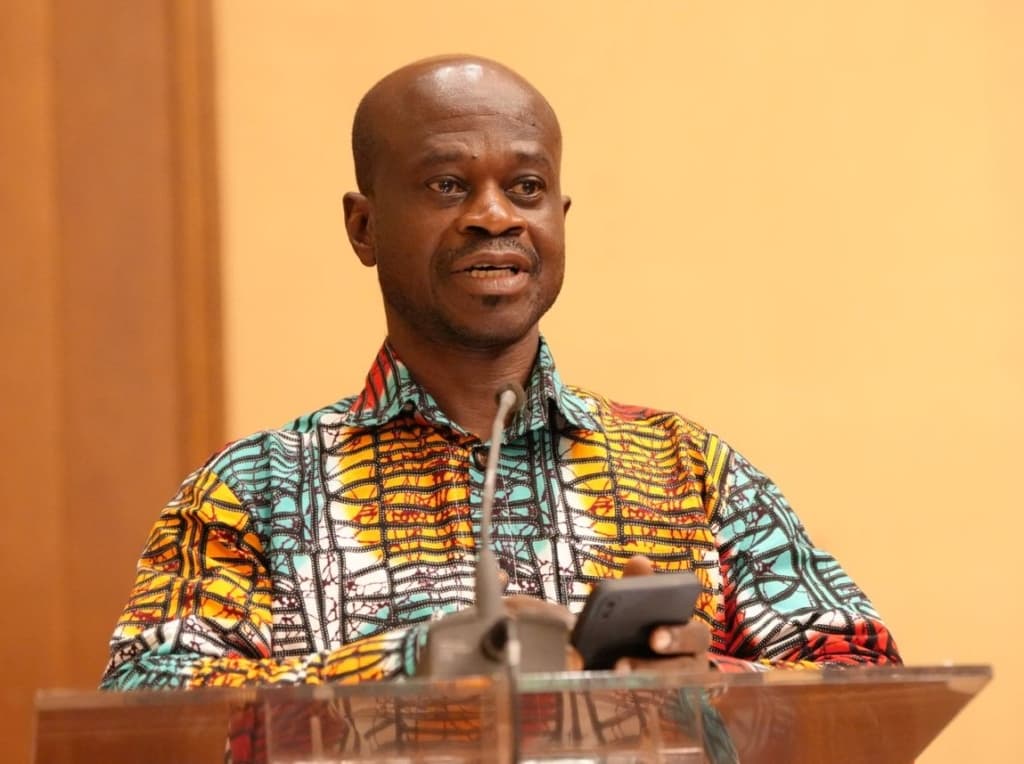
The African continent is among the most vulnerable regions to the impacts of climate change, with rising temperatures, changing precipitation patterns, and increased frequency of extreme weather events threatening food security, water availability, and human settlements. However, Africa is also rich in natural resources and has the potential to become a major player in the global industrial landscape. The challenge, as highlighted by Dr. Amoah, is to ensure that the continent's industrial ambitions are pursued in a manner that is environmentally sustainable and contributes to global efforts to mitigate climate change.
Aligning Climate Diplomacy with Industrial Ambitions
Dr. Amoah's call for alignment between climate diplomacy and industrial ambitions is rooted in the recognition that climate change poses significant risks to Africa's economic development. Climate-related disasters can destroy infrastructure, disrupt supply chains, and impact the productivity of industries such as agriculture and manufacturing. By integrating climate action into industrial planning, African countries can reduce these risks and create opportunities for sustainable growth. According to Dr. Amoah, "The future of Africa's industrial development is closely tied to its ability to address climate change. We must ensure that our industries are climate-resilient and contribute to reducing greenhouse gas emissions."
Experts agree that this alignment requires a coordinated approach that involves governments, the private sector, and civil society.
"Climate action and industrial development are not mutually exclusive. In fact, they can be mutually reinforcing,"says Dr. Fatima Denton, Director of the United Nations University Institute for Natural Resources in Africa. By leveraging climate change mitigation and adaptation efforts, African countries can attract investments, create jobs, and stimulate innovation in industries such as renewable energy, sustainable agriculture, and eco-tourism.
Reinforcing Institutional Coordination
The AGN Chair's emphasis on reinforcing institutional coordination is also critical to advancing Africa's climate narrative. The continent's climate change response requires the involvement of multiple stakeholders, including governments, regional economic communities, and international partners. Effective coordination among these stakeholders is essential for mobilizing resources, sharing knowledge, and building capacity to address the climate change challenge. As noted by Dr. Amoah, "Institutional coordination is key to ensuring that Africa speaks with one voice on climate change. We must work together to develop and implement policies, programs, and projects that support our climate goals."
Regional economic communities, such as the African Union and the Economic Community of West African States, have a critical role to play in this regard. These organizations can facilitate the sharing of best practices, provide technical assistance, and support the development of climate-resilient infrastructure. According to Dr. Jean-Pierre Ezin, Commissioner for Infrastructure and Energy at the African Union, "Regional cooperation is essential for addressing the transboundary impacts of climate change. We must work together to develop and implement regional climate change strategies that support our industrial ambitions and promote sustainable development."
In conclusion, the call by the AGN Chair for Africa to link climate action to industrial ambitions is a timely reminder of the need for a coordinated approach to addressing the climate change challenge. By integrating climate diplomacy and industrial development, and reinforcing institutional coordination, African countries can reduce the risks associated with climate change, create opportunities for sustainable growth, and achieve their development goals. As the continent moves forward, it is essential that climate action remains a priority, and that African leaders continue to work together to promote a climate-resilient and sustainable future for all. The future of Africa's industrial development, and indeed the future of the planet, depends on it.