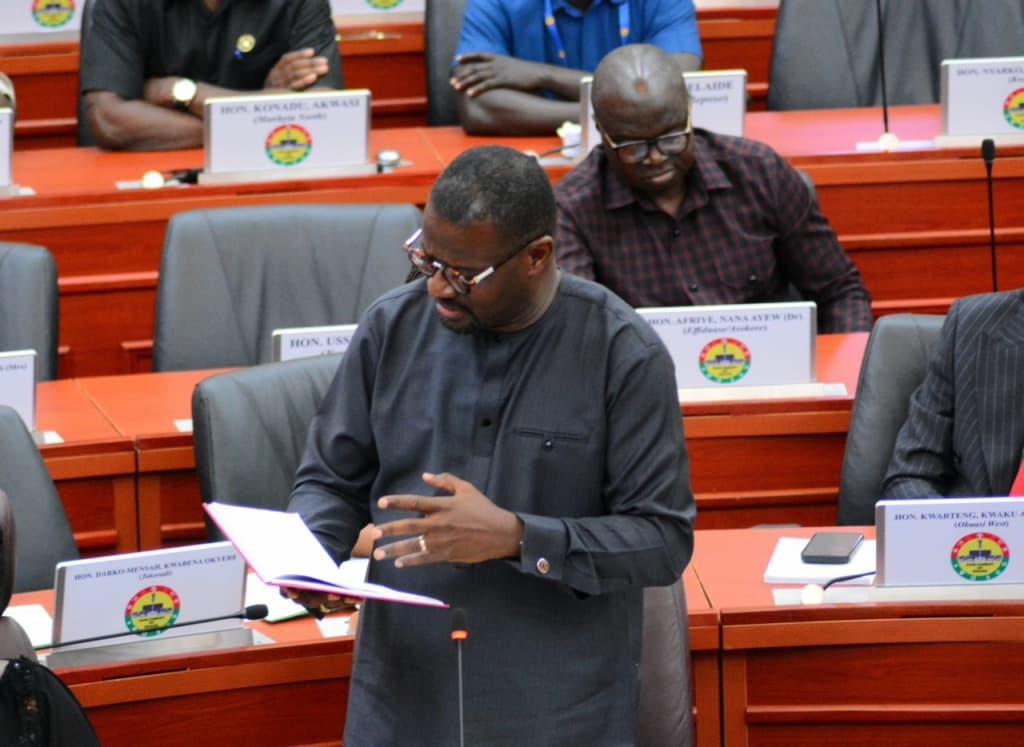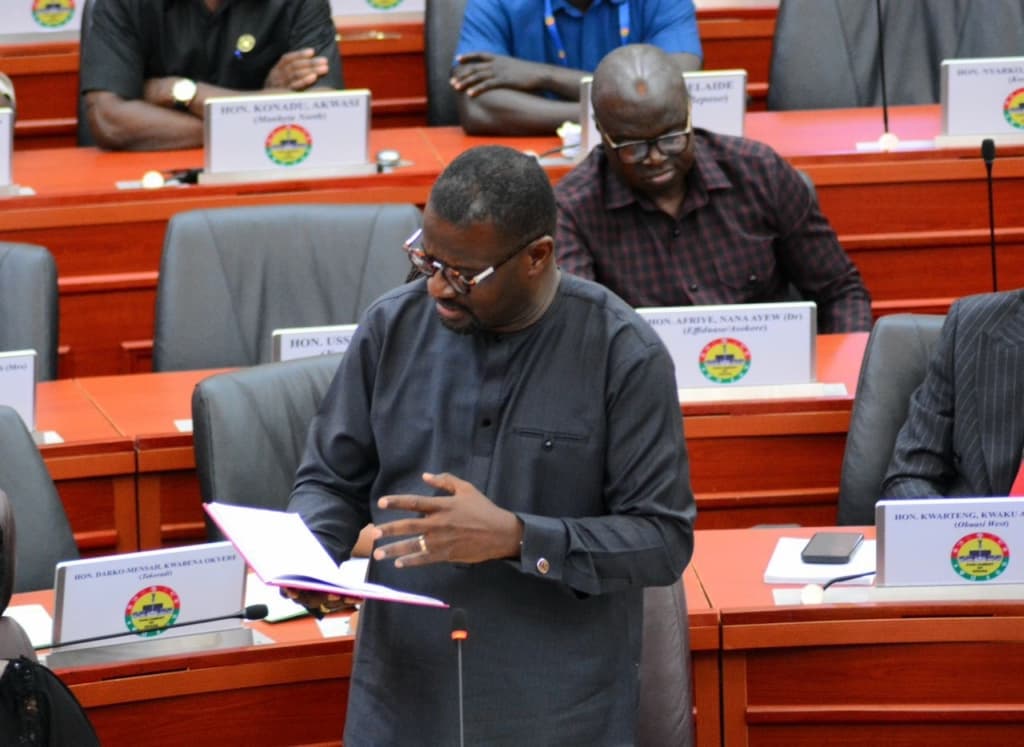
The DACF is a statutory fund established to support the development of districts in Ghana. It is allocated a percentage of the country's revenue, which is then disbursed to the various district assemblies to fund development projects. However, over the years, the government has consistently failed to release the allocated funds on time, resulting in the accumulation of significant arrears. The Minority's call for a medium-term plan to clear these arrears is seen as a step in the right direction, as it would provide a structured approach to addressing the issue. As noted by experts, a well-planned approach is essential to ensuring that the DACF achieves its intended purpose of promoting development at the district level.
Background to the DACF Arrears
The DACF arrears have been a long-standing issue, with the problem dating back several years. The government's inability to release the allocated funds on time has resulted in districts being unable to implement development projects, leading to a lack of infrastructure and basic amenities in many areas. The situation has been exacerbated by the fact that the DACF is a key source of funding for many districts, which rely heavily on these funds to deliver basic services to their citizens.
"The DACF is a critical component of our development strategy, and the failure to release the allocated funds on time is having a devastating impact on our ability to deliver services to our people," said Dr. Eric Oduro Osae, a local government expert.
The Need for a Medium-Term Plan
The Minority's call for a medium-term plan to clear the DACF arrears is based on the need for a structured approach to addressing the issue. A medium-term plan would provide a clear roadmap for settling the arrears, taking into account the government's revenue projections and the funding requirements of the districts. This approach would also enable the government to prioritize its spending and ensure that the most critical development projects are funded first. As noted by Mr. Joseph Cudjoe, a former Deputy Minister of Local Government,
"a medium-term plan would provide the necessary framework for addressing the DACF arrears, and would help to restore the credibility of the fund".
The development of a medium-term plan to clear the DACF arrears would require the collaboration of all stakeholders, including the government, district assemblies, and civil society organizations. It would also require a thorough analysis of the government's revenue projections and the funding requirements of the districts, as well as a clear commitment to releasing the allocated funds on time. As emphasized by experts, the success of such a plan would depend on the government's ability to stick to its commitments and ensure that the DACF is used for its intended purpose. According to Mrs. Ama Pomaa Boateng, a development expert,
"the key to addressing the DACF arrears is to ensure that the government prioritizes its spending and releases the allocated funds on time, while also putting in place measures to prevent the accumulation of arrears in the future".
Conclusion
In conclusion, the Minority's call for a medium-term plan to clear the DACF arrears of over GH¢7 billion is a timely intervention that has the potential to address a long-standing issue. The development of a comprehensive plan would provide a structured approach to settling the arrears, taking into account the government's revenue projections and the funding requirements of the districts. As the government and other stakeholders work towards developing such a plan, it is essential that they prioritize the needs of the districts and ensure that the DACF is used for its intended purpose of promoting development at the district level. With a clear plan in place, Ghana can take a significant step towards addressing the development challenges facing its districts, and ensuring that its citizens have access to basic amenities and infrastructure. As the country looks to the future, it is hoped that the government will take the necessary steps to address the DACF arrears and restore the credibility of the fund, which is critical to the development of the country's districts.