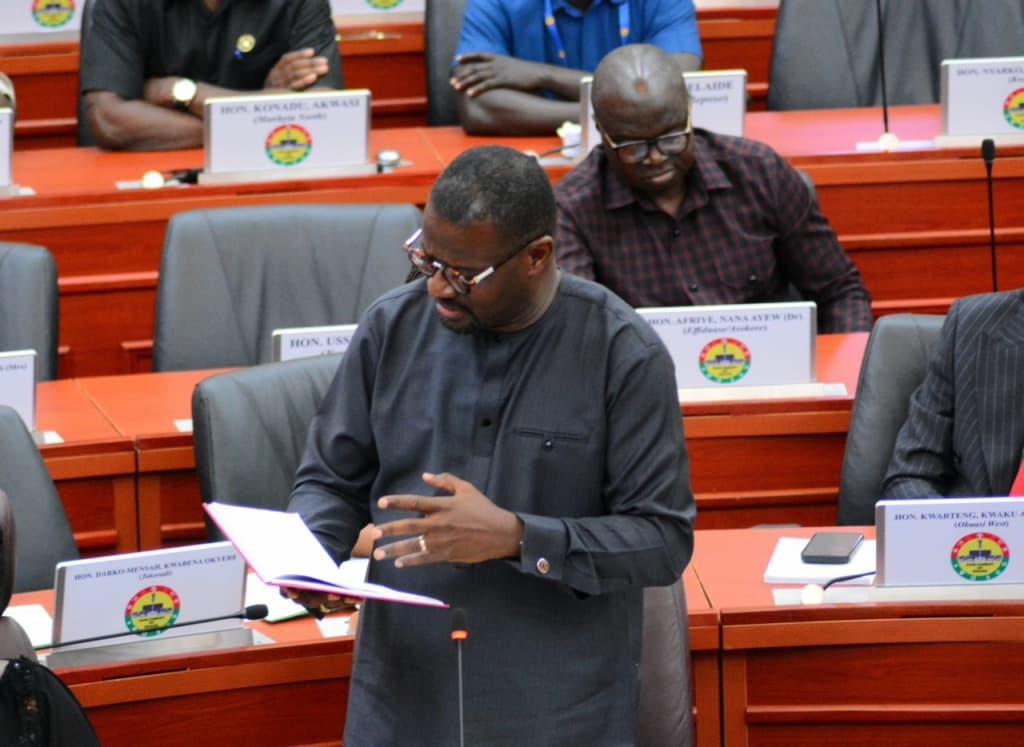
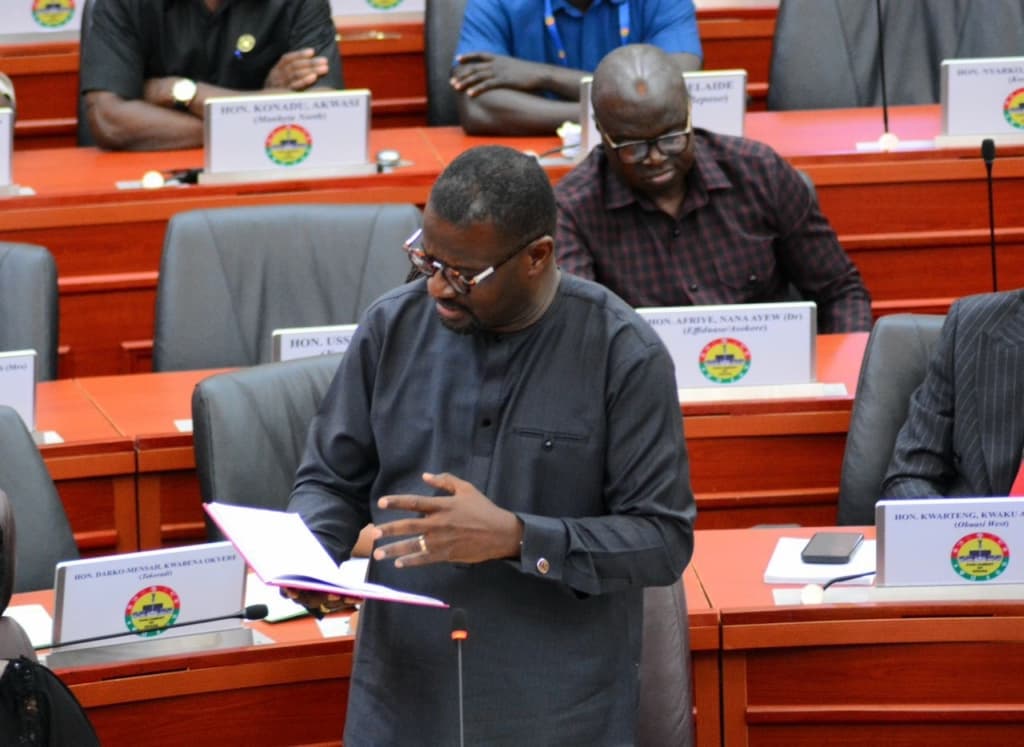
The DACF is a pool of funds allocated to the district assemblies to support their development projects and activities. The fund is disbursed based on a formula that takes into account factors such as population, land area, and poverty levels. However, the Minority claims that the government has manipulated the formula to favor certain districts, thereby denying others their fair share of the resources. This has led to a situation where some districts receive significantly more funds than others, despite having similar needs and priorities. Annoh-Dompreh stated, "We have discovered that the government has been using a flawed formula to allocate the DACF, which has resulted in some districts being shortchanged. This is a clear breach of the constitution and we will not stand for it."
Constitutional Implications
The Minority's allegations have raised concerns about the government's commitment to upholding the constitution. Article 252 of the constitution states that the DACF shall be distributed among the district assemblies on the basis of a formula that ensures equity and fairness. The Minority argues that the current formula used by the government does not meet this requirement, and therefore, the allocation of the DACF is unconstitutional.
"The constitution is clear on the need for equity and fairness in the allocation of the DACF. The government's actions are a clear violation of this principle and we will be seeking redress in the courts if necessary,"said Annoh-Dompreh. Experts agree that the government's actions have serious implications for the development of the districts and the overall well-being of the citizens.
Expert Analysis
According to Dr. Emmanuel Osei, a lecturer in public finance at the University of Ghana, the government's allocation of the DACF is a critical issue that requires careful consideration. He noted that the current formula used by the government is not transparent and has led to inconsistencies in the allocation of funds. "The formula should be based on clear and objective criteria that take into account the needs and priorities of each district. Anything short of this is a recipe for disaster," he said. Dr. Osei also emphasized the need for the government to ensure that the allocation of the DACF is guided by the principles of equity and fairness. "The government should prioritize the needs of the most vulnerable districts and ensure that they receive their fair share of the resources," he added.
Mrs. Ama Frimpong, a development expert with the Ghana Centre for Democratic Development, also weighed in on the issue. She noted that the allocation of the DACF has a direct impact on the development of the districts and the well-being of the citizens.
"The government's actions have the potential to exacerbate existing inequalities and undermine the development of the districts. It is essential that the government takes a more nuanced approach to the allocation of the DACF, one that takes into account the diverse needs and priorities of each district,"she said. Mrs. Frimpong also called on the government to ensure that the allocation of the DACF is transparent and accountable, with clear mechanisms for monitoring and evaluation.
Government Response
The government has yet to respond to the Minority's allegations, but officials have hinted that the current formula used to allocate the DACF is based on a thorough analysis of the needs and priorities of each district. They argue that the formula is fair and equitable, and that it has been designed to support the development of all districts, regardless of their location or population. However, the Minority remains unconvinced, and has vowed to continue to push for a more transparent and equitable allocation of the DACF. "We will not back down on this issue. The government must be held accountable for its actions, and we will ensure that the constitution is upheld," said Annoh-Dompreh.
In conclusion, the Minority's allegations of constitutional breaches in the allocation of the DACF have sparked a heated debate on the matter. While the government has yet to respond to the allegations, experts and officials have weighed in on the implications of the government's actions. As the debate continues, it remains to be seen how the government will respond to the Minority's allegations and whether the allocation of the DACF will be revised to ensure equity and fairness. One thing is certain, however: the outcome of this debate will have far-reaching implications for the development of the districts and the well-being of the citizens. As Dr. Osei noted,
"The allocation of the DACF is a critical issue that requires careful consideration. The government must ensure that the formula used is transparent, equitable, and fair, and that it takes into account the diverse needs and priorities of each district."