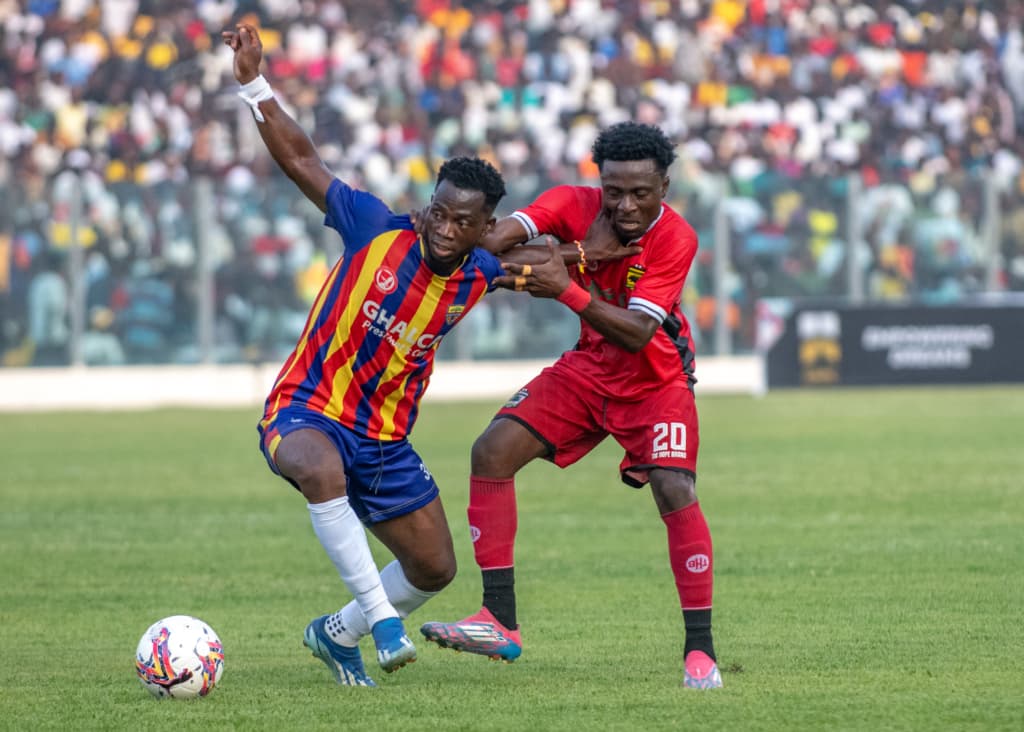

The issue of refereeing standards has been a contentious one in Ghanaian football, with many stakeholders expressing frustration over what they perceive as subpar officiating. Okraku's comments suggest that the GFA is taking the matter seriously and is willing to take concrete steps to address the problem. As he noted, "We want to see our referees performing at the highest level, and we are committed to providing them with the necessary training and support to achieve that." This statement underscores the GFA's recognition of the critical role that referees play in ensuring the integrity and competitiveness of the game.
Addressing the Challenges
To achieve the desired standards, the GFA has outlined a series of measures aimed at enhancing the performance of referees. These include the provision of advanced training programs, the introduction of new technologies to aid in decision-making, and the establishment of a robust evaluation system to assess the performance of referees. According to Samuel Ofori, a seasoned referee and member of the GFA's Referees Committee, "The key to improving refereeing standards lies in providing our officials with the right tools and training. We need to expose them to the best practices and technologies available, and also ensure that they are held to the highest standards of accountability."
In addition to these measures, the GFA is also exploring ways to enhance the overall match-day experience for fans, players, and coaches. This includes the implementation of initiatives aimed at promoting respect for referees and reducing the incidence of abuse and intimidation. As Alex Kotey, a former Ghanaian international and current coach, observed, "Referees are human beings, and like all of us, they are capable of making mistakes. However, it is our responsibility as stakeholders to create an environment that allows them to perform their duties without fear of intimidation or abuse." He added,
"We need to recognize the important role that referees play in the game, and work together to support them in their efforts to achieve excellence."
The Road Ahead
As the GFA continues to work towards achieving its goal of perfection in officiating, it is clear that the journey will not be without its challenges. However, with the commitment and support of all stakeholders, it is possible to create an environment that fosters excellence and promotes the development of world-class referees. According to Okraku, "We are committed to doing everything in our power to support our referees and ensure that they have the resources and training they need to succeed. We believe that by working together, we can achieve great things and take Ghanaian football to the next level." As the GFA moves forward with its plans, fans, players, and coaches will be watching with keen interest to see how the association's efforts bear fruit.
In conclusion, the GFA's emphasis on achieving perfection in officiating is a step in the right direction, and one that has the potential to positively impact the development of Ghanaian football. By providing referees with the necessary support and resources, and by promoting a culture of respect and accountability, the association can help to create an environment that fosters excellence and promotes the growth of the game. As Okraku noted, "We are committed to excellence, and we will stop at nothing to achieve it." With this level of commitment and dedication, it is likely that Ghanaian football will continue to thrive and grow, both domestically and internationally.