
The DACF is a critical component of Ghana's decentralization policy, aimed at supporting the development of local communities through the allocation of resources to district assemblies. However, the effective utilization of these funds has been a subject of debate, with allegations of misuse and lack of accountability. According to David Osei, a local government expert, "The DACF is meant to be a tool for grassroots development, but without stringent measures to ensure accountability, it can easily be diverted for personal or political gain." Osei further noted that the 2025 guidelines, while well-intentioned, require vigorous enforcement to prevent abuses.
Key Provisions of the 2025 Guidelines
The 2025 Guidelines for the Utilisation of the DACF outline specific provisions aimed at enhancing transparency and accountability in the use of the fund. These include requirements for district assemblies to submit detailed plans and budgets for the utilization of the DACF, as well as regular audits and reporting mechanisms. Dr. Ama Pomaa, a public policy analyst, highlighted the importance of these provisions, stating, "The inclusion of strict reporting and auditing requirements is a step in the right direction. However, the success of these guidelines will depend on the willingness of both the Ministry of Local Government and the district assemblies to enforce them rigorously."
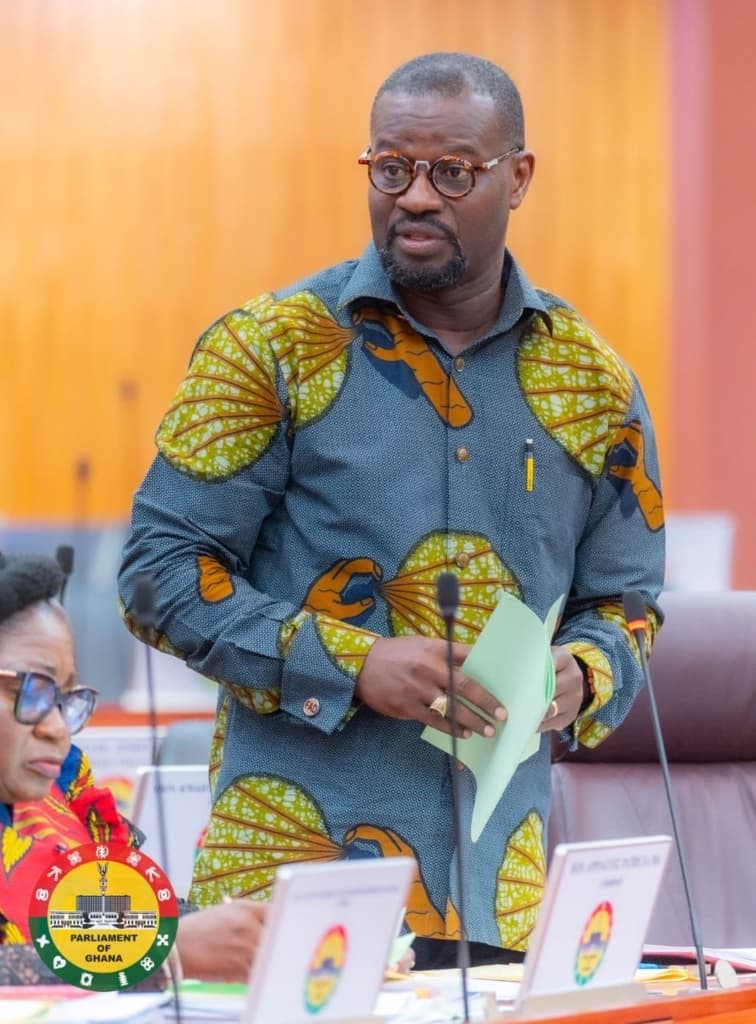
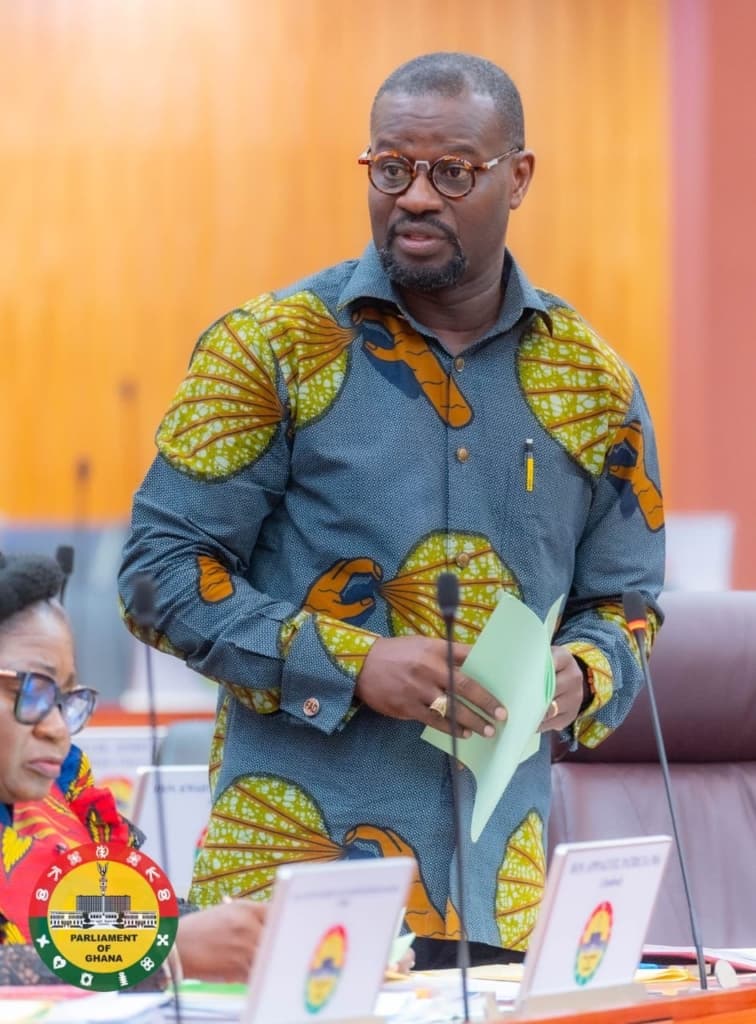
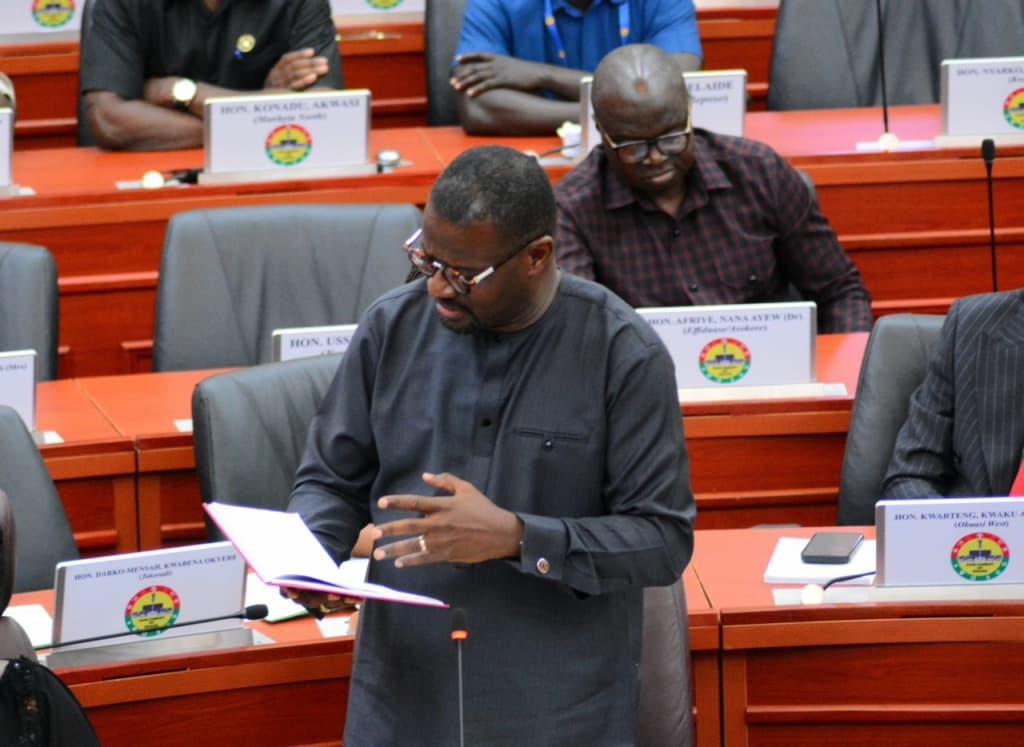
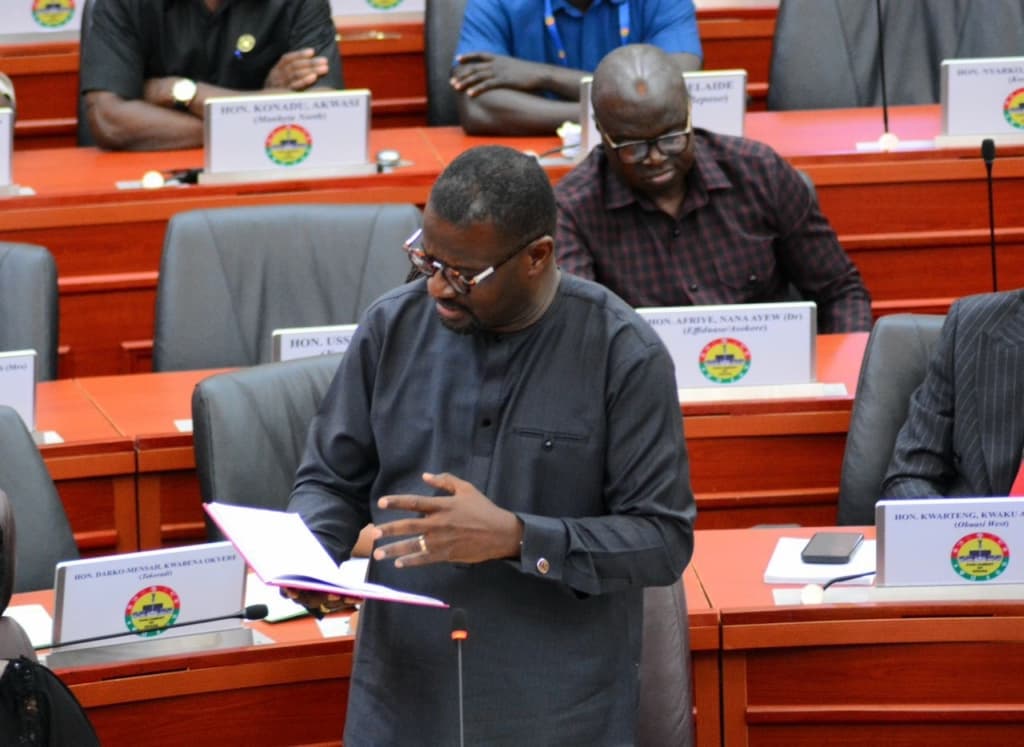
Frank Annoh-Dompreh's speech also touched on the role of civil society and the media in ensuring that the DACF is used for its intended purposes. He emphasized the need for active oversight and scrutiny, suggesting that transparent and accountable governance can only be achieved through the collective efforts of all stakeholders.
"We must work together to safeguard the integrity of the DACF. This includes not only the government and district assemblies but also civil society, the media, and the public at large. Together, we can ensure that these funds are used to improve the lives of our citizens,"Annoh-Dompreh urged.
Challenges and the Way Forward
Despite the optimism surrounding the 2025 guidelines, there are challenges ahead. Implementing and enforcing these guidelines will require significant resources and political will. Moreover, addressing the deeply ingrained issues of corruption and mismanagement will necessitate a comprehensive approach that involves legal, policy, and institutional reforms. Professor Emmanuel Gyimah-Boadi, a governance expert, observed, "The real test of these guidelines will be in their implementation. It will be crucial to monitor progress closely and make adjustments as necessary to ensure that the DACF serves the public interest."
In conclusion, Frank Annoh-Dompreh's speech on defending constitutional governance and ensuring accountability in the use of the DACF resonates with the broader discourse on good governance and development in Ghana. As the country moves forward with the implementation of the 2025 guidelines, it will be essential to maintain a focus on transparency, accountability, and the rule of law. The success of these efforts will not only depend on the government's commitment to reform but also on the active engagement of all stakeholders, including civil society, the media, and the public. By working together, Ghana can ensure that the DACF is utilized effectively to support local development and improve the quality of life for its citizens. The coming months will be critical in this regard, as the nation awaits the outcomes of the new guidelines and the impact they will have on the future of local governance and development.