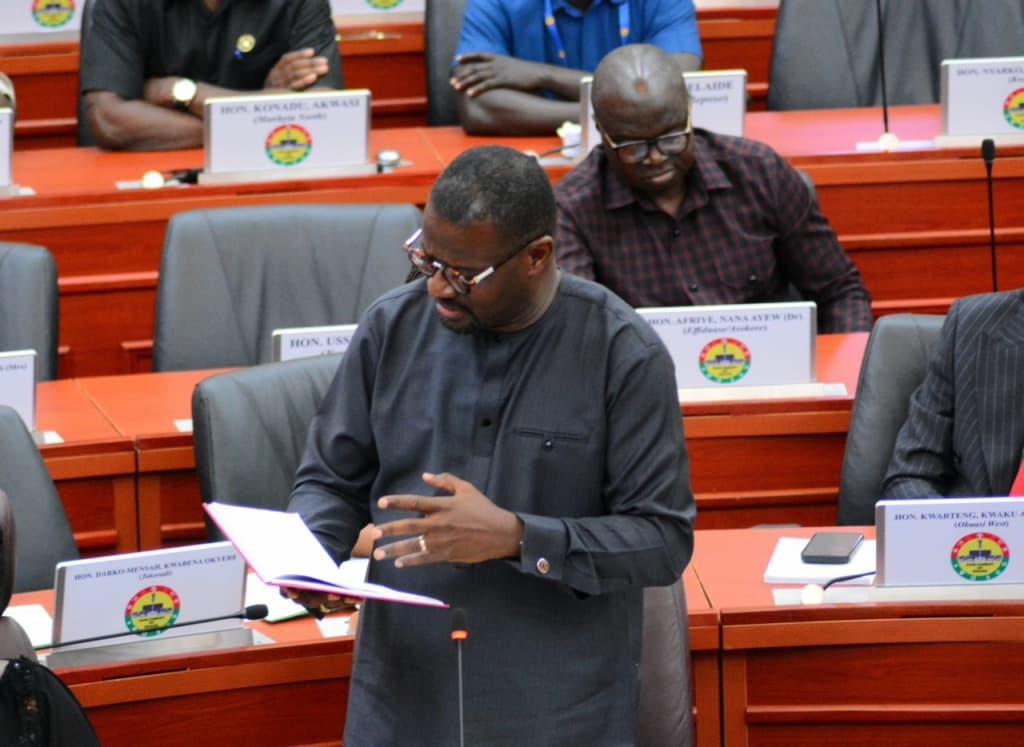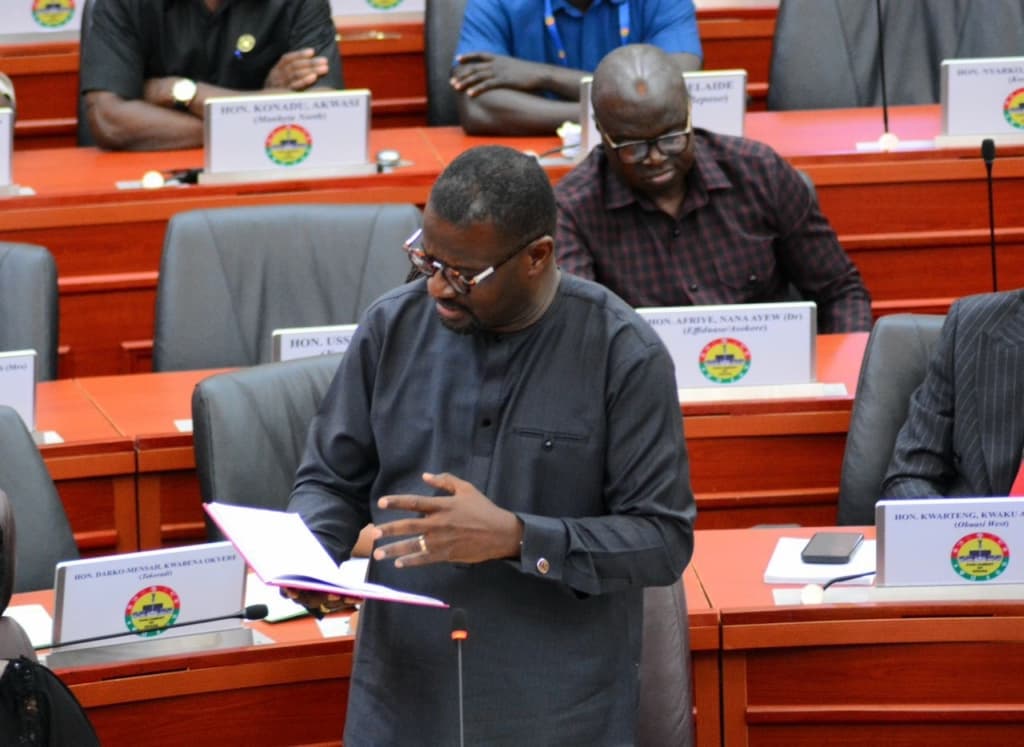
The Minority's proposal is centered on the creation of a robust and automatic allocation mechanism that would eliminate the discretion currently exercised by the Executive in determining the amount of funds to be allocated to the DACF. According to Dr. Eric Owusu, a fiscal policy expert, "The current system has led to inconsistencies and unpredictability in the allocation of funds to the DACF, making it challenging for district assemblies to plan and implement development projects effectively." He emphasized that an automatic allocation mechanism would provide a stable and predictable source of funding, enabling district assemblies to better plan and deliver services to their communities.
Constitutional Requirement
The constitution requires that at least five per cent of the country's total national revenue be allocated to the DACF. However, over the years, the actual allocations have sometimes fallen short of this threshold, prompting concerns over the government's commitment to decentralization and local development.
"The constitution is clear on the minimum allocation to the DACF, and it is our responsibility as lawmakers to ensure that this requirement is met,"said Hon. Akua Dansua, a member of the Minority. She emphasized that the proposed automatic allocation mechanism would help to build trust and confidence in the system, as district assemblies would be assured of receiving a predictable and stable amount of funding each year.
Benefits of Automatic Allocation
The proposed automatic allocation mechanism is expected to bring several benefits, including improved transparency and accountability in the allocation of funds to the DACF. With a clear and predictable allocation formula, district assemblies would be able to plan and budget more effectively, reducing the risk of funding shortfalls and delays in project implementation. Additionally, an automatic allocation mechanism would help to reduce the potential for political interference and discretion in the allocation of funds, ensuring that resources are allocated based on need and merit rather than political considerations. Mr. Kofi Poku, a local government expert, noted that "An automatic allocation mechanism would help to promote equity and fairness in the allocation of resources, as all district assemblies would receive a fair share of the national revenue."
Furthermore, the proposed reform is expected to enhance the overall efficiency and effectiveness of the DACF in supporting local development initiatives. By providing a stable and predictable source of funding, district assemblies would be able to focus on delivering essential services and development projects, rather than spending time and resources on lobbying for funds.
"The automatic allocation mechanism would be a game-changer for local development in our country,"said Ms. Ama Frimpong, a district assembly member. She emphasized that the predictable funding would enable district assemblies to engage in more effective planning and implementation of development projects, leading to improved outcomes and benefits for local communities.
Implementation Challenges
While the proposed automatic allocation mechanism has been widely welcomed, there are concerns about the potential implementation challenges. Some experts have noted that the introduction of an automatic allocation mechanism would require significant changes to the existing budgeting and allocation processes, which could be complex and time-consuming. Dr. Kwame Gyimah, a public finance expert, cautioned that "The implementation of an automatic allocation mechanism would require careful planning and coordination to ensure a smooth transition and minimize disruptions to the existing system." He emphasized the need for close collaboration between the Executive, Legislature, and other stakeholders to ensure that the reform is implemented effectively and efficiently.
Despite these challenges, the Minority remains committed to pushing for the introduction of an automatic allocation mechanism for the DACF. Hon. Samuel Okudzeto, a member of the Minority, noted that "We are willing to work with all stakeholders to ensure that this reform is implemented in a way that benefits all district assemblies and promotes local development." He emphasized that the proposed reform is a key priority for the Minority, and they would continue to advocate for its passage and implementation.
In conclusion, the Minority's proposal for an automatic allocation mechanism for the DACF has the potential to transform the way funds are allocated to district assemblies, promoting transparency, accountability, and equity in the allocation of national resources. While there are challenges to be addressed, the potential benefits of this reform make it an important priority for lawmakers and stakeholders to pursue. As the country continues to grapple with the challenges of decentralization and local development, the introduction of an automatic allocation mechanism for the DACF could be a significant step forward in promoting more effective and efficient governance at the local level.