Ghana's economic landscape has been a subject of intense discussion in recent years, particularly with regards to the country's struggles with inflation. The year 2022 was a pivotal moment in this conversation, as the country's annual inflation rate soared to 54.1 percent by the end of the year. This unprecedented surge had far-reaching consequences, affecting the daily lives of Ghanaians and shattering meticulously planned budgets. As the country navigates its economic challenges, a compelling argument has emerged: gold is a more effective stabilizer of Ghana's inflation than oil.
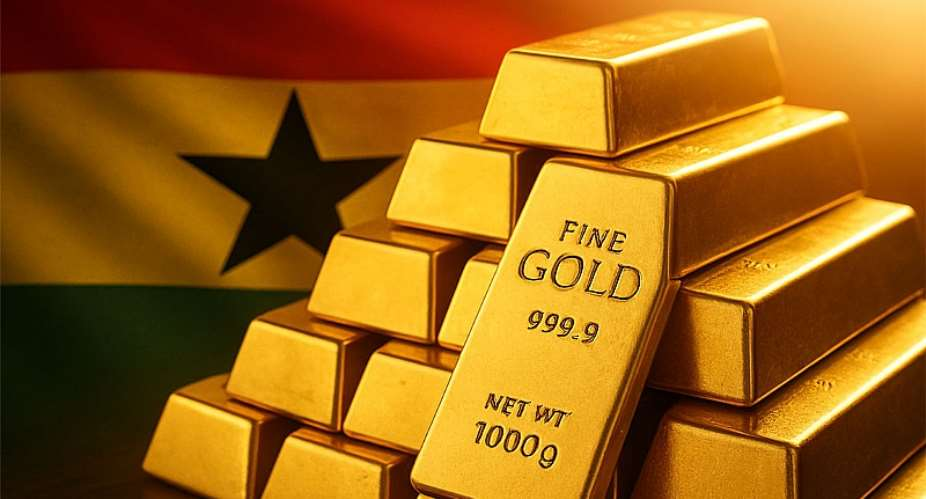
The rationale behind this argument is rooted in the fundamental differences between gold and oil as commodities. Gold is often regarded as a store of value and a hedge against inflation, due to its intrinsic value and limited supply. In contrast, oil is a consumable commodity whose price fluctuations are closely tied to global demand and geopolitical events. According to Dr. Kwabena Duffuor, a renowned economist and former Ghanaian Minister of Finance, "Gold has historically demonstrated a negative correlation with inflation, meaning that as inflation rises, the value of gold tends to increase, thereby providing a natural hedge against rising prices." This characteristic makes gold an attractive asset for investors seeking to mitigate the effects of inflation.
Inflationary Pressures and the Role of Gold
The impact of inflation on Ghana's economy cannot be overstated. The 2022 inflation rate of 54.1 percent was a stark reminder of the devastating consequences of uncontrolled price increases.
"Families that had planned carefully found their budgets shattered, and the country was in genuine pain,"noted Mr. Ernest Addison, Governor of the Bank of Ghana. In this context, the ability of gold to act as a stabilizer becomes increasingly important. By investing in gold, individuals and institutions can protect their wealth from the eroding effects of inflation, thereby reducing the risk of financial loss. Moreover, a stable gold price can help to anchor expectations of future inflation, contributing to a more stable economic environment.
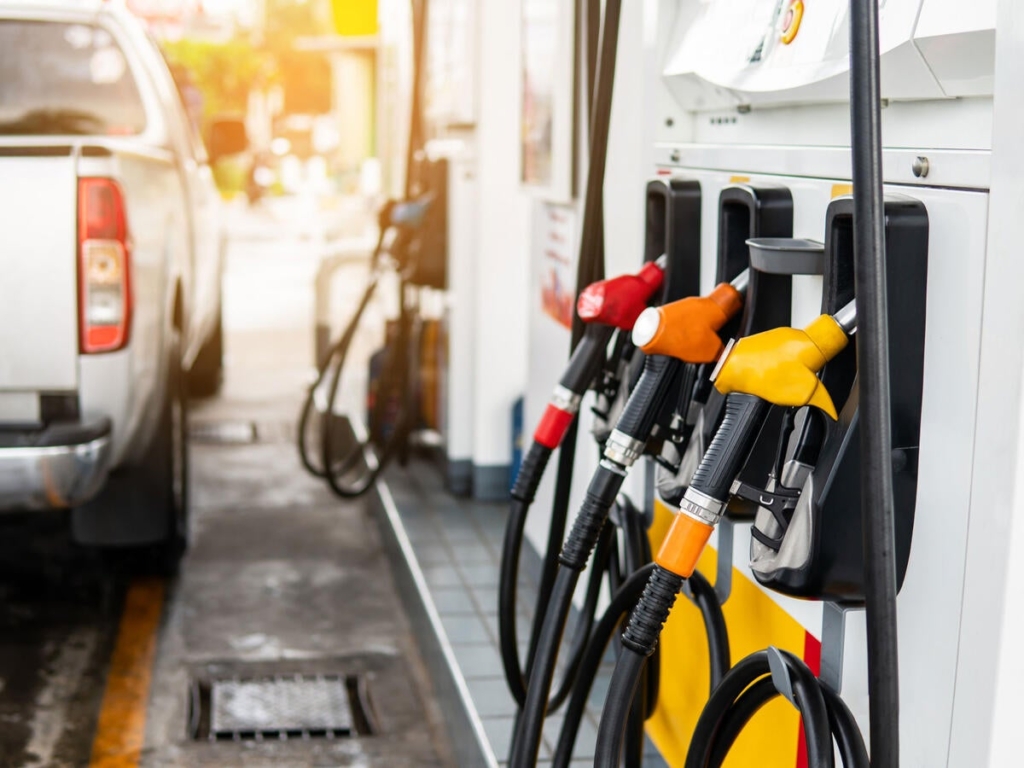
In contrast, oil prices have historically been more volatile, influenced by a complex array of factors including global demand, production levels, and geopolitical tensions. While oil is a critical component of Ghana's economy, its price fluctuations can exacerbate inflationary pressures, rather than mitigate them. Dr. Joe Abbey, Executive Director of the Centre for Policy Analysis, observed,
"The experience of 2022 highlights the risks associated with an over-reliance on oil as a driver of economic growth. Diversifying our economy and investing in assets like gold can help to reduce our vulnerability to external shocks."
Policy Implications and Future Directions
The argument that gold is a better stabilizer of Ghana's inflation than oil has significant implications for policymakers. As the country seeks to navigate its economic challenges, it is essential to consider the role that gold can play in mitigating the effects of inflation. Mr. Ken Ofori-Atta, Ghana's Minister of Finance, noted,
"We are exploring various options to diversify our economy and reduce our reliance on oil. Investing in gold and other assets can help to stabilize our economy and promote long-term growth."By adopting a more diversified approach to economic management, Ghana can reduce its vulnerability to external shocks and promote a more stable economic environment.
In conclusion, the notion that gold is a better stabilizer of Ghana's inflation than oil is a compelling one, supported by both theoretical and empirical evidence. As the country continues to navigate its economic challenges, it is essential to consider the role that gold can play in mitigating the effects of inflation. By investing in gold and diversifying its economy, Ghana can promote a more stable economic environment, reduce its vulnerability to external shocks, and promote long-term growth. As Dr. Duffuor aptly put it,
"Gold is not just a store of value, but a beacon of stability in uncertain times."As Ghana looks to the future, it is clear that gold will play an increasingly important role in the country's economic landscape.