
The government of Ghana has announced plans to ban the importation of gas cylinders into the country, a move that is expected to boost the local manufacturing industry and reduce the country's reliance on foreign imports. According to the Minister of Energy and Green Transition, Dr. John Jinapor, the government intends to "eventually" ban the importation of gas cylinders, although a specific timeline for the implementation of the ban has not been announced.
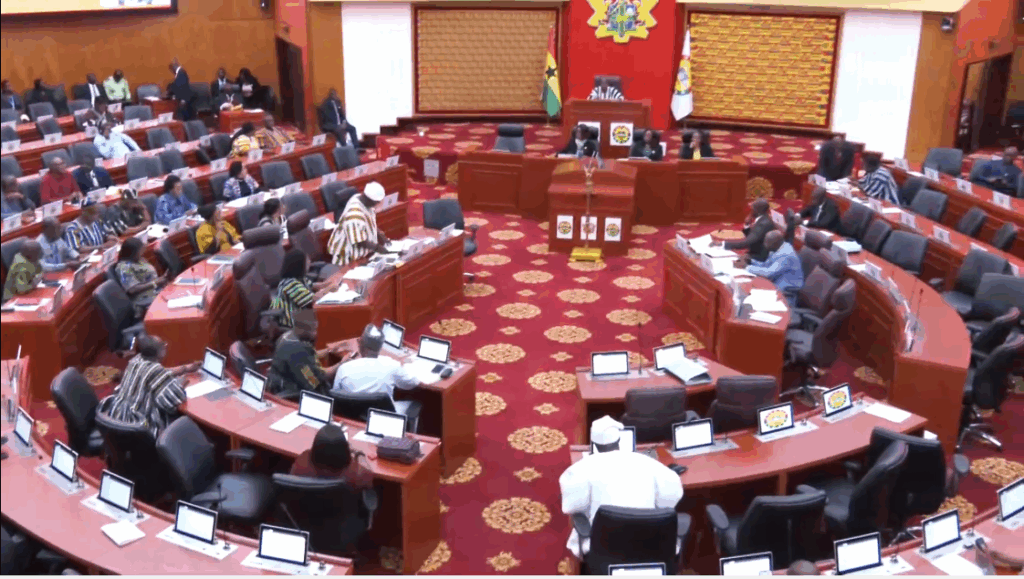
The announcement was made by Dr. Jinapor during a parliamentary session, where he outlined the government's plans to promote the use of locally manufactured gas cylinders. The move is seen as a significant step towards achieving energy self-sufficiency and reducing the country's trade deficit. Dr. Jinapor emphasized that the ban would help to create jobs and stimulate economic growth in the local manufacturing sector. He also noted that the government would provide support to local manufacturers to ensure a smooth transition and to enable them to meet the demand for gas cylinders.
Background and Rationale
The decision to ban the importation of gas cylinders is not entirely unexpected, given the government's efforts to promote the use of locally manufactured products. In recent years, the government has implemented various policies and initiatives aimed at supporting local industries and reducing the country's reliance on foreign imports. The ban on gas cylinder importation is seen as a logical extension of these efforts, and is expected to have a significant impact on the local manufacturing sector.
"The ban on gas cylinder importation is a bold step towards achieving energy self-sufficiency and promoting the use of locally manufactured products,"said Dr. Kwame Ampofo, a energy expert at the University of Ghana. "It is a move that will not only create jobs and stimulate economic growth but also help to reduce the country's trade deficit."
The government's decision to ban the importation of gas cylinders has been welcomed by local manufacturers, who see it as an opportunity to increase their market share and expand their operations. Mr. Kofi Owusu, the CEO of a local manufacturing company, noted that the ban would help to level the playing field and enable local manufacturers to compete more effectively with foreign companies. He also expressed optimism about the government's commitment to supporting local industries and promoting the use of locally manufactured products.
Implications and Challenges
The ban on gas cylinder importation is expected to have significant implications for the local manufacturing sector, as well as for consumers. On the one hand, the ban is expected to create jobs and stimulate economic growth in the local manufacturing sector, as local manufacturers increase production to meet the demand for gas cylinders. On the other hand, the ban may lead to shortages and price increases, at least in the short term, as local manufacturers struggle to meet the demand for gas cylinders.
"The government needs to ensure that local manufacturers have the capacity to meet the demand for gas cylinders, and that the ban does not lead to shortages and price increases,"said Dr. Sophia Adjeibaa, a economist at the Ghana Institute of Public Policy. "This will require significant investment in the local manufacturing sector, as well as support for local manufacturers to enable them to expand their operations and increase production."
Despite the potential challenges, the government is confident that the ban on gas cylinder importation will have a positive impact on the economy and will help to achieve energy self-sufficiency. Dr. Jinapor noted that the government would work closely with local manufacturers and other stakeholders to ensure a smooth transition and to address any challenges that may arise. He also emphasized the need for Ghanaians to support the use of locally manufactured products, in order to promote economic growth and development.
In conclusion, the government's decision to ban the importation of gas cylinders is a bold step towards achieving energy self-sufficiency and promoting the use of locally manufactured products. While there may be challenges associated with the ban, the government is confident that it will have a positive impact on the economy and will help to create jobs and stimulate economic growth. As the country looks to the future, it is clear that the ban on gas cylinder importation is just the beginning of a new era of economic growth and development, and that Ghana is poised to become a major player in the regional and global economy.
"The future is bright for Ghana, and we are confident that the ban on gas cylinder importation will be a major step towards achieving our economic goals,"said Dr. Jinapor.