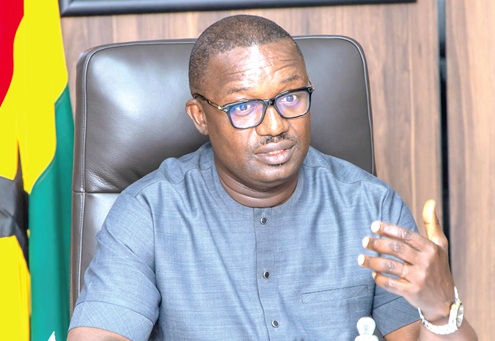
The issue of youth unemployment in Ghana has been a longstanding concern, with many experts warning of its potential to destabilize the country's social and economic fabric. Recently, Senyo Hosi, Convener of the OneGhana Movement and Trustee of the Ghana Coalition Against Galamsey, added his voice to the chorus of concern, stating that if he were president, he wouldn't sleep over the issue of youth unemployment. This sentiment comes at a time when the country is in the midst of a security recruitment exercise, which has highlighted the desperation of many young Ghanaians seeking employment.
According to available data, Ghana's youth unemployment rate stands at around 12%, with some estimates suggesting that the actual figure could be much higher. This has led to a situation where many young people are forced to seek alternative, often unproductive, means of earning a living.
"The situation is dire, and it requires urgent attention from our leaders,"said Dr. Baah Boateng, a labor market analyst at the University of Ghana. He emphasized that the consequences of inaction could be severe, including increased poverty, crime, and social unrest.
Causes of Youth Unemployment
Experts point to a combination of factors contributing to the high levels of youth unemployment in Ghana. These include a lack of job opportunities, inadequate skills training, and a mismatch between the skills of job seekers and the requirements of the labor market. Additionally, the country's economy has not been growing at a rate sufficient to absorb the large number of young people entering the labor market each year.
"We need to create an environment that encourages entrepreneurship and job creation,"said Mrs. Akua Owusu-Afriyie, a business consultant. She suggested that this could involve providing support for small and medium-sized enterprises, as well as investing in vocational training programs.
The ongoing security recruitment exercise has brought the issue of youth unemployment into sharp focus. Thousands of young people have turned up to apply for a limited number of positions, highlighting the desperation of many who are seeking employment. While the recruitment exercise has provided an opportunity for some, it has also raised concerns about the fairness and transparency of the process.
"We need to ensure that our recruitment processes are fair and transparent, and that they provide opportunities for all qualified applicants,"said Colonel Michael Poku, a retired military officer.
Call to Action
Senyo Hosi's statement has been seen as a call to action, urging the government to take immediate steps to address the issue of youth unemployment. He has suggested that this could involve investing in education and skills training, as well as providing support for entrepreneurship and job creation.
"We need to take a comprehensive approach to addressing youth unemployment,"said Hosi. He emphasized that this would require the collaboration of government, the private sector, and civil society organizations.
Other experts have also emphasized the need for a comprehensive approach to addressing youth unemployment. They suggest that this could involve a range of measures, including investing in vocational training programs, providing support for small and medium-sized enterprises, and promoting entrepreneurship.
"We need to think outside the box and come up with innovative solutions to this problem,"said Dr. William Gumede, a development expert.
Conclusion
In conclusion, the issue of youth unemployment in Ghana is a complex and pressing problem that requires urgent attention from the government and other stakeholders. As Senyo Hosi has emphasized, it is a crisis that could have severe consequences if left unaddressed. However, with a comprehensive approach that involves investing in education and skills training, providing support for entrepreneurship and job creation, and promoting fairness and transparency in recruitment processes, it is possible to create opportunities for young people and build a more stable and prosperous future for the country. The time to act is now, and it is imperative that the government and other stakeholders take immediate steps to address this crisis and ensure that the future of Ghana's young people is secure.