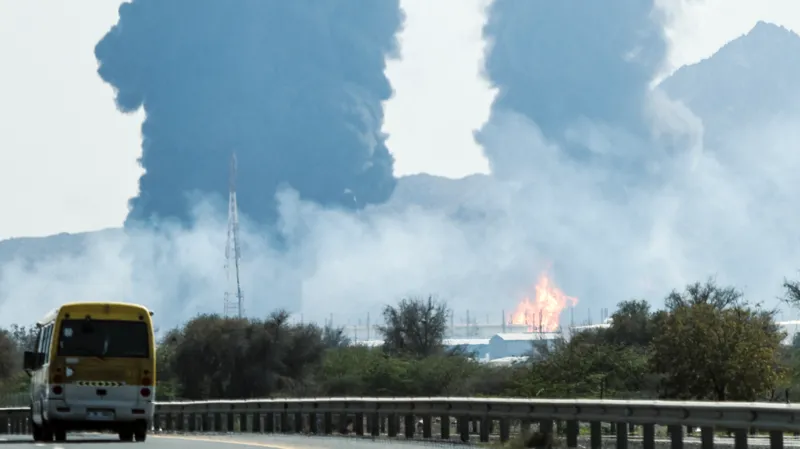
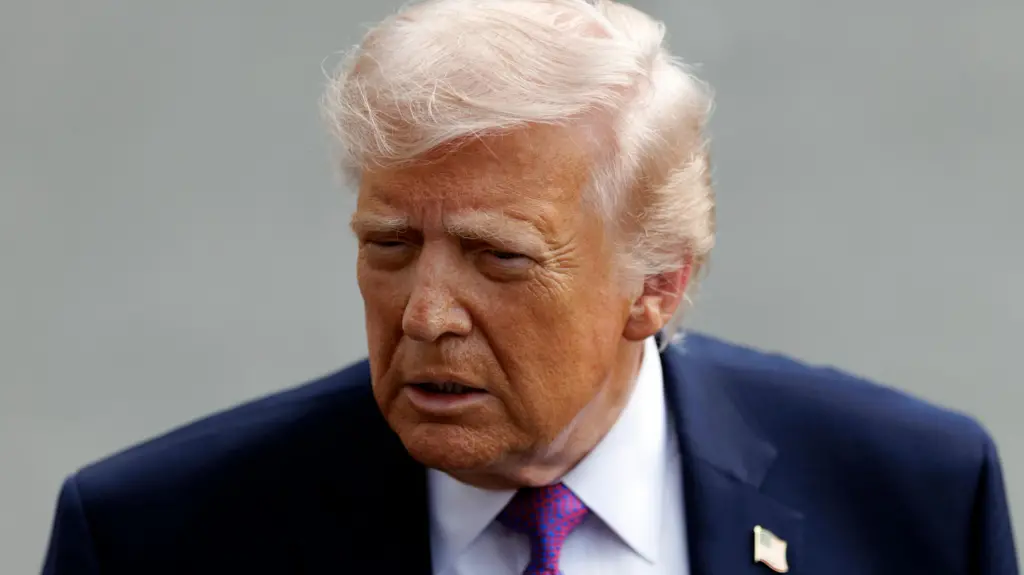
The United States has issued a call to action to the United Kingdom and other nations to join forces in securing the Strait of Hormuz, a critical waterway in the Middle East, following a series of attacks on oil tankers and ships attributed to Iran. The plea, made by President Donald Trump, aims to bolster the international community's presence in the region and deter further aggression from Tehran. The move is seen as an effort to safeguard global energy supplies and prevent a potential escalation of tensions in the region.
According to sources, the US has been in talks with several countries, including the UK, France, and Germany, to discuss the possibility of contributing naval assets to a coalition aimed at protecting shipping lanes in the Strait of Hormuz. The strait, which connects the Persian Gulf to the Arabian Sea, is a vital chokepoint for international oil trade, with approximately 20% of the world's crude oil passing through it. The security of the waterway is of paramount importance to the global economy, and any disruption to shipping lanes could have far-reaching consequences.
Background and Context
The call for international cooperation comes on the heels of a series of incidents involving Iranian forces and commercial shipping vessels. In recent months, several oil tankers have been attacked or seized by Iranian Revolutionary Guard Corps (IRGC) units, prompting widespread condemnation from the international community. The US has been at the forefront of efforts to counter Iranian aggression, with the Trump administration imposing stringent sanctions on Tehran and deploying additional military assets to the region.
"The security of the Strait of Hormuz is a collective responsibility, and we urge all nations to join us in this effort,"said Dr. Elizabeth Stephens, a senior fellow at the Center for Strategic and International Studies. The international community must present a united front in the face of Iranian aggression, and a coalition to secure the strait is a crucial step in that direction.
UK and European Response
The UK has been a key partner in US efforts to counter Iranian influence in the region, and officials in London have indicated that they are considering the US request to contribute to the coalition. A British naval presence in the Strait of Hormuz would be a significant boost to the international effort, providing a visible deterrent to Iranian aggression and helping to ensure the safe passage of commercial shipping.
"We are committed to working with our international partners to address the security challenges in the region," said a spokesperson for the UK Ministry of Defence.
"We will continue to work closely with the US and other nations to protect the freedom of navigation and ensure the security of the Strait of Hormuz."
Implications and Next Steps
The success of the international coalition will depend on the willingness of nations to contribute resources and personnel to the effort. The US has pledged to provide a significant portion of the naval assets and logistics support, but the participation of other countries will be crucial in demonstrating a united front against Iranian aggression. A failure to secure the Strait of Hormuz could have severe consequences for the global economy and regional stability, and it is imperative that the international community takes decisive action to address the security challenges in the region.
As the situation continues to unfold, experts warn that the risks of miscalculation and escalation are high. Iran's actions have been increasingly provocative, and the international community must be prepared to respond to any further aggression. The US and its partners must also be mindful of the potential risks and challenges associated with a military coalition, including the possibility of unintended consequences and the need for clear communication and coordination among participating nations.
In conclusion, the US call for international cooperation to secure the Strait of Hormuz marks a significant development in the ongoing efforts to counter Iranian aggression in the region. As the situation continues to evolve, it remains to be seen how the international community will respond to the challenge. One thing is certain, however: the security of the Strait of Hormuz is a collective responsibility, and it will require a concerted effort from nations around the world to ensure the safe passage of commercial shipping and prevent a potential escalation of tensions in the region.