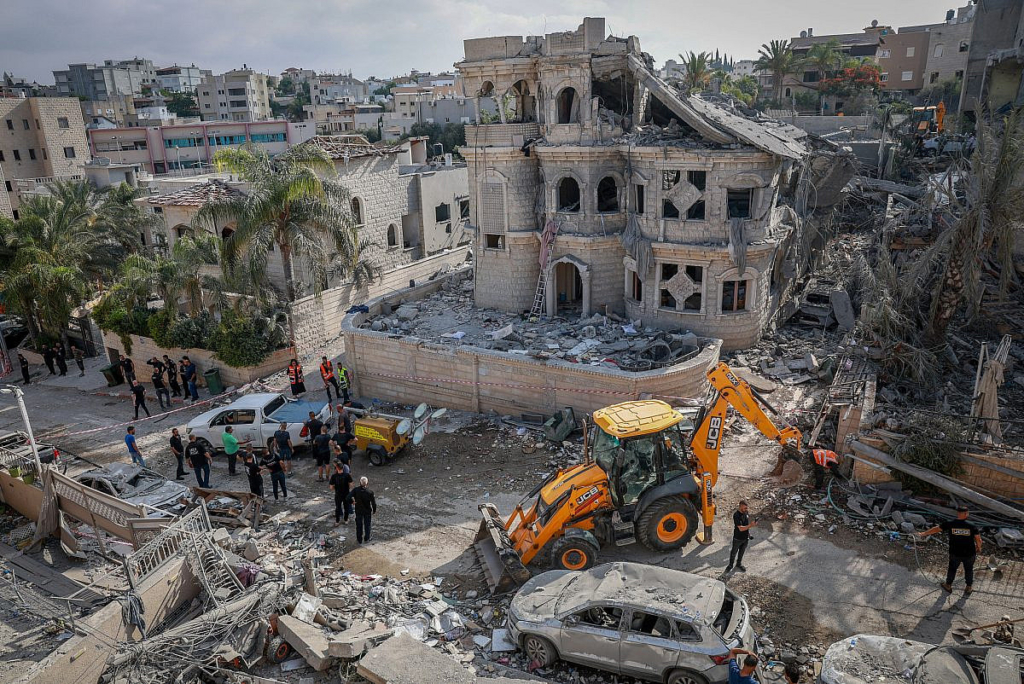
A devastating drone strike on a crowded market in Sudan has resulted in the deaths of at least 11 people, with many more injured, according to local authorities. This latest attack brings the total number of civilian casualties in recent days to over 200, as drone strikes continue to target densely populated areas, including schools, hospitals, and markets. The escalating air war has sparked widespread concern among human rights groups and international leaders, who are calling for an immediate end to the violence.
The drone strike on the market in Sudan occurred in the early hours of the morning, when the area was busiest with people shopping for daily essentials. Witnesses described the scene as "chaotic" and "horrific," with bodies scattered across the ground and debris from destroyed buildings blocking the streets. Emergency services were quickly overwhelmed, and medical supplies are reportedly running low. "The situation is dire," said Dr. Amira Hassan, a local doctor who has been treating the wounded. "We are doing our best to cope with the influx of patients, but it's becoming increasingly difficult. The international community needs to take action to stop these senseless attacks."
Escalating Violence
The recent surge in drone strikes has raised concerns about the disproportionate harm being inflicted on civilians. According to the United Nations, more than 200 civilians have been killed in the past week alone, with many more injured or displaced. The attacks have also caused significant damage to critical infrastructure, including hospitals, schools, and water treatment plants. "The use of drones in this conflict is having a devastating impact on civilians," said John Smith, a spokesperson for the UN High Commissioner for Human Rights. "We urge all parties to the conflict to take immediate steps to protect civilians and respect international humanitarian law."
Experts warn that the situation is likely to deteriorate further unless there is a significant shift in the approach to the conflict. "The air war is having a disproportionate impact on civilians, and it's clear that the current strategy is not working," said Dr. Sarah Taylor, a conflict analyst at the International Crisis Group. "A more nuanced approach is needed, one that takes into account the complexities of the conflict and the need to protect civilians." Dr. Taylor also emphasized the need for greater transparency and accountability in the use of drones, citing concerns about the lack of clear guidelines and oversight.
"The international community needs to come together to condemn these attacks and demand that those responsible are held accountable," said Dr. Taylor. "The use of drones in this conflict is a clear example of the need for stronger regulations and oversight to prevent such tragedies from occurring in the future."
International Response
The international community has been criticized for its response to the crisis, with many arguing that more needs to be done to protect civilians and hold those responsible for the attacks accountable. The United States, in particular, has faced criticism for its role in supplying drones to the government of Sudan, despite concerns about the country's human rights record. "The US needs to take a closer look at its policies and ensure that it's not contributing to the problem," said Senator James Johnson, a member of the US Senate Foreign Relations Committee. "We need to be working towards a peaceful resolution to this conflict, not fueling the violence."
In response to the growing criticism, the US State Department issued a statement expressing concern about the recent attacks and calling for all parties to the conflict to respect international humanitarian law. However, the statement stopped short of condemning the use of drones or announcing any plans to review US policy in the region. The European Union has also issued a statement, calling for an immediate end to the violence and a return to peace talks. "The EU is deeply concerned about the situation in Sudan and calls on all parties to cease hostilities and engage in constructive dialogue," said EU spokesperson, Maria Martinez.
Humanitarian Crisis
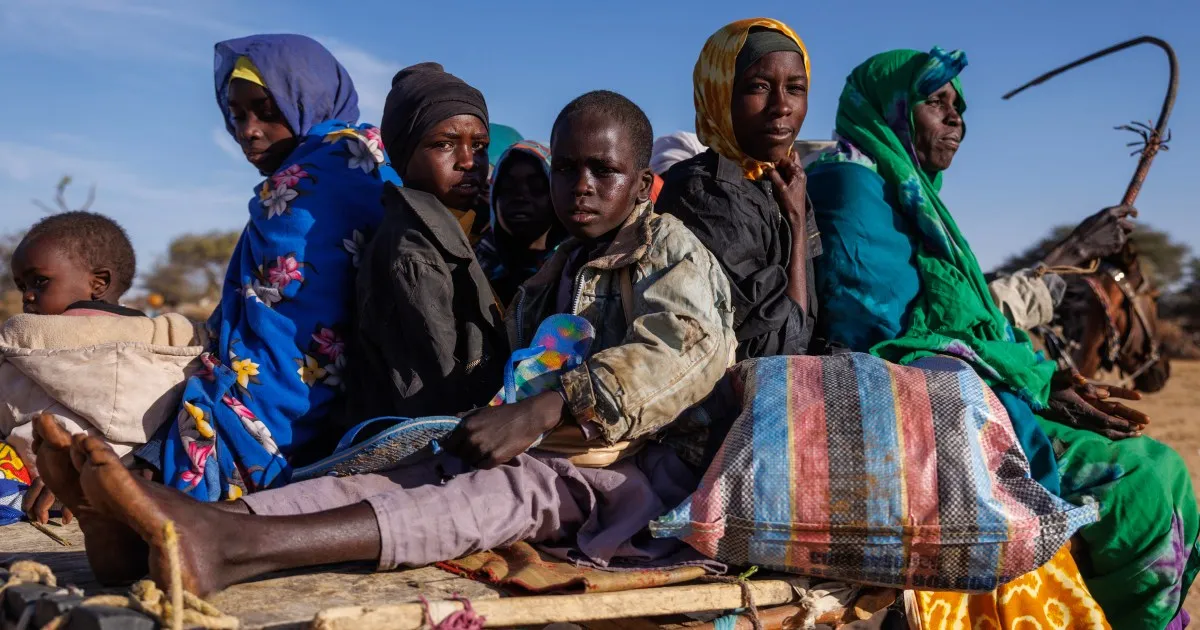
The ongoing conflict has created a severe humanitarian crisis, with thousands of people displaced and in need of urgent assistance. The UN has launched an emergency appeal for funding to support the relief efforts, but so far, the response has been limited. "The international community needs to step up its support for the people of Sudan," said Mark Lowcock, the UN Under-Secretary-General for Humanitarian Affairs. "The situation is dire, and we need urgent funding to provide lifesaving assistance to those in need."
As the situation continues to deteriorate, there are growing concerns about the long-term impact of the conflict on the people of Sudan. The country is already one of the poorest in the world, and the ongoing violence is likely to exacerbate the existing social and economic challenges. "The people of Sudan deserve peace and stability," said Dr. Hassan. "We urge the international community to take action to stop the violence and support the people of Sudan in their time of need."
In conclusion, the drone attack on the market in Sudan is a stark reminder of the devastating impact of the air war on civilians. With over 200 civilians killed in recent days, it is clear that the current approach to the conflict is not working. The international community must come together to demand an end to the violence and support the people of Sudan in their time of need. As Dr. Taylor emphasized, "the use of drones in this conflict is a clear example of the need for stronger regulations and oversight to prevent such tragedies from occurring in the future." The world is watching, and it is time for action to be taken to prevent further suffering and protect the innocent civilians caught in the midst of this devastating conflict.