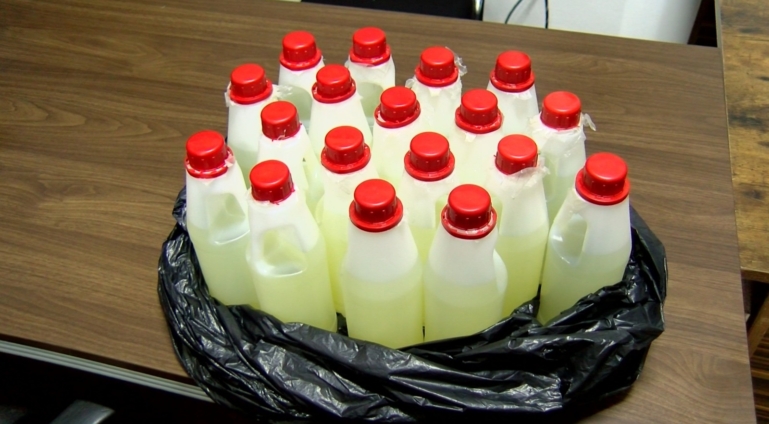

A growing public health concern in Ghana has come under scrutiny on JoyNews' The Probe, as host Carlos Calony delves into the rising cases of kidney diseases linked to the consumption of street herbal concoctions. The episode, which aired tonight, explores the alarming trend of kidney-related illnesses and deaths attributed to the use of unregulated herbal remedies. According to Dr. Ama Safo, a nephrologist at the Korle Bu Teaching Hospital, "the situation is dire, and it's essential we create awareness about the risks associated with these herbal concoctions."
The use of herbal remedies is a common practice in Ghana, with many people turning to traditional medicine for treatment of various ailments. However, the lack of regulation and quality control in the production and sale of these herbal concoctions has led to a significant increase in kidney-related problems. Professor Ernestina Mensah, a public health expert, notes that "the unregulated herbal industry is a ticking time bomb, and we need to take immediate action to address this issue." She further emphasizes that "the lack of awareness and education on the dangers of these herbal concoctions is a significant contributor to the rising cases of kidney diseases."
The Alarming Statistics
Statistics from the Ghana Health Service reveal a disturbing trend in kidney-related illnesses and deaths. According to the data, there has been a significant increase in reported cases of kidney disease over the past five years, with a substantial proportion of these cases attributed to the consumption of herbal remedies. Dr. Kwame Boadi, a researcher at the Noguchi Memorial Institute for Medical Research, states that "our studies have shown a strong correlation between the use of certain herbal concoctions and the development of kidney disease." He warns that "if we don't take drastic measures to address this issue, we risk facing a kidney disease epidemic in the near future."
The Ghana Kidney Association has also sounded the alarm on the rising cases of kidney disease, citing the need for increased awareness and education on the risks associated with herbal remedies. Madam Akua Ansah, the association's president, emphasizes that "it's essential we work together to create awareness and promote safe practices in the use of herbal remedies." She adds that "we need to support research into the safety and efficacy of these herbal concoctions to ensure that they are safe for consumption."
The Way Forward
Experts agree that addressing the issue of kidney disease linked to herbal concoctions requires a multi-faceted approach. This includes increased regulation and quality control in the production and sale of herbal remedies, as well as public education and awareness campaigns. Dr. Safo suggests that "we need to work with traditional healers and herbalists to educate them on safe practices and the importance of quality control." She also emphasizes the need for "increased funding for research into the safety and efficacy of herbal remedies."
"The government needs to take a firm stance on regulating the herbal industry,"says Professor Mensah. "We need to ensure that all herbal remedies are tested for safety and efficacy before they are released onto the market." She adds that "we also need to support public education and awareness campaigns to inform people about the risks associated with these herbal concoctions."
As the discussion on Ghana's silent kidney crisis continues, it's clear that urgent action is needed to address this growing public health concern. The Probe's exposé on the hidden danger in street herbal concoctions serves as a wake-up call for policymakers, healthcare professionals, and the general public to take collective action against this menace. As Carlos Calony concludes, "it's time for us to take responsibility for our health and wellbeing, and to demand action from our leaders to address this critical issue." The episode of The Probe is a must-watch for anyone concerned about the rising cases of kidney disease in Ghana, and it's a call to action for all stakeholders to come together to find a solution to this silent crisis.
In conclusion, the silent kidney crisis in Ghana is a pressing issue that requires immediate attention and action. The use of unregulated herbal concoctions is a significant contributor to the rising cases of kidney disease, and it's essential we create awareness and promote safe practices in the use of these remedies. As the conversation continues, it's clear that a collaborative effort is needed to address this issue and ensure the health and wellbeing of all Ghanaians. The Probe's discussion on this topic is a step in the right direction, and it's hoped that it will spark a national conversation on the need for regulation and quality control in the herbal industry. The time to act is now, and it's essential we work together to prevent further cases of kidney disease and promote a healthier future for all.