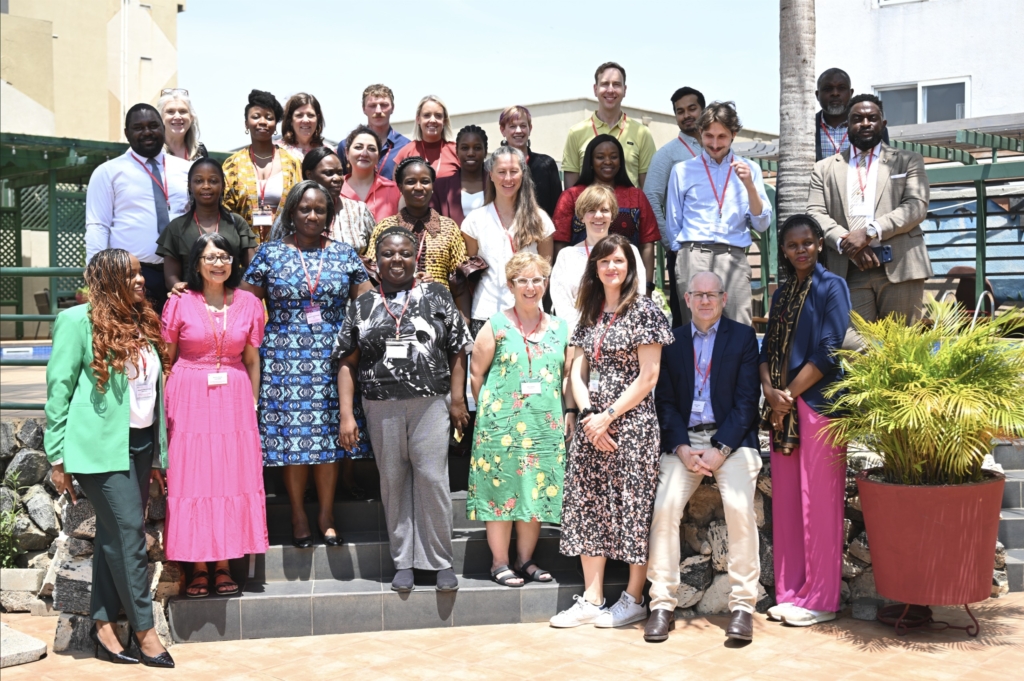
Accra, Ghana, has played host to a pivotal gathering of clinical research partners from Africa and Europe, all united under the SNIP-AFRICA initiative. The primary focus of this assembly was to fortify research and healthcare responses to severe neonatal infections, a leading cause of newborn deaths worldwide. The two-day SNIP-AFRICA General Assembly brought together a diverse group of 40 partners from 12 institutions, each committed to the shared goal of reducing neonatal mortality through enhanced research and collaboration.
The meeting served as a critical platform for these partners to share insights, discuss challenges, and outline future strategies for tackling severe neonatal infections. According to Dr. Ama Pokuaa Fenny, a leading researcher in neonatal health, "The burden of severe neonatal infections in Africa is staggering. It's imperative that we work together, combining our expertise and resources, to develop effective interventions and improve healthcare outcomes for newborns across the continent." This sentiment encapsulates the essence of the SNIP-AFRICA partnership, which aims to bridge gaps in research, policy, and practice to combat neonatal infections effectively.
Understanding the Challenge
Severe neonatal infections are among the top causes of newborn deaths globally, with a disproportionate impact felt in low- and middle-income countries. The lack of effective prevention and treatment strategies, coupled with limited access to quality healthcare services, exacerbates this issue. Professor Emmanuel K. Addo, a pediatrician with extensive experience in neonatal care, highlighted the complexity of addressing these infections: "The fight against severe neonatal infections is multifaceted. It requires not only the development of new diagnostic tools and treatments but also the strengthening of healthcare systems, particularly in rural and underserved areas."
The SNIP-AFRICA initiative recognizes these challenges and is working towards a comprehensive approach that encompasses research, policy development, and community engagement. By fostering collaboration among diverse stakeholders, including researchers, policymakers, healthcare professionals, and community leaders, the partnership seeks to leverage collective knowledge and strengths to drive meaningful change.
A Framework for Action
The General Assembly in Accra provided a framework for action, with partners engaging in in-depth discussions on priority areas, including research gaps, capacity building, and the implementation of evidence-based practices.
"Our goal is to ensure that every newborn, regardless of their geographical location, has access to the best possible care. This requires a concerted effort to build research capacity, improve healthcare infrastructure, and enhance community awareness and involvement,"stated Dr. Charity Katoolozi, a public health specialist with a focus on maternal and child health. The assembly also explored innovative approaches to addressing severe neonatal infections, including the potential of digital health technologies and community-based interventions.
A key outcome of the meeting was the development of a roadmap for future research and intervention strategies. This roadmap outlines specific objectives, timelines, and responsibilities for partners, ensuring a coordinated and effective approach to tackling severe neonatal infections. The plan also emphasizes the importance of sustainability and scalability, recognizing that long-term impact requires not only effective solutions but also the capacity to implement them consistently over time.
Looking Forward
As the SNIP-AFRICA partnership moves forward, it is clear that the path ahead will be challenging yet filled with opportunity. The gathering in Accra marked a significant step in the journey towards reducing newborn deaths from severe neonatal infections. With a unified vision and a commitment to collaborative action, the partners are poised to make a lasting impact on the health and wellbeing of newborns across Africa. According to Dr. Fenny, "The success of SNIP-AFRICA will be measured not by the number of meetings we hold or the papers we publish, but by the lives we save and the families we support. It's a challenge we're ready to accept, and we're confident that together, we can achieve great things."
In conclusion, the SNIP-AFRICA General Assembly in Accra represents a beacon of hope in the fight against severe neonatal infections. By combining forces, sharing knowledge, and working towards common goals, the partnership embodies the spirit of collaboration and innovation needed to address this critical global health issue. As the world continues to grapple with the challenges of newborn health, initiatives like SNIP-AFRICA stand as testaments to the power of collective action and the unwavering commitment to saving lives and improving the future for generations to come.