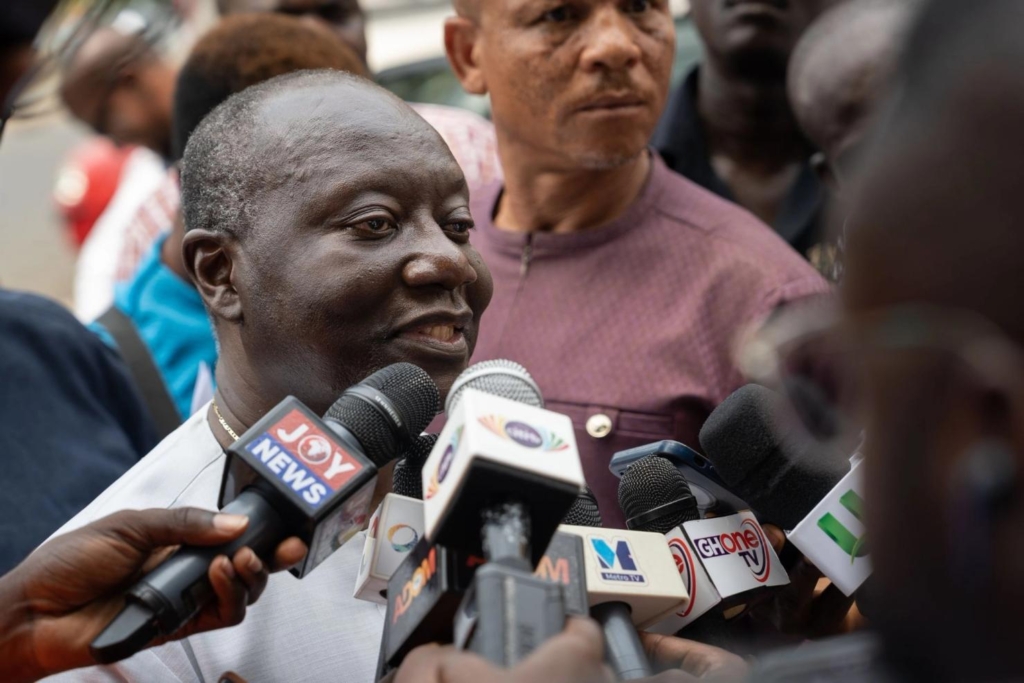
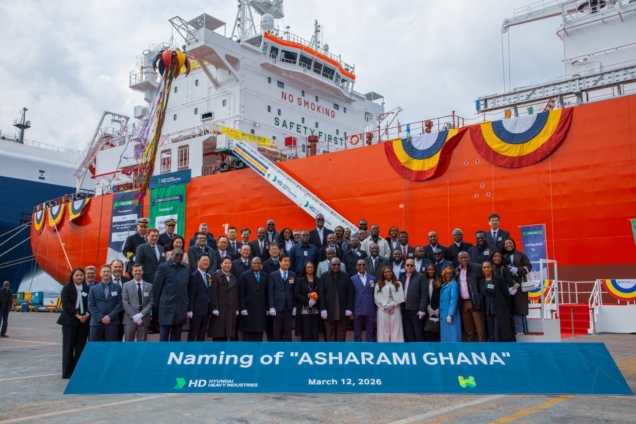
The commissioning of the LPG carrier MT Asharami Ghana by former President John Dramani Mahama in South Korea has sparked concerns over Ghana's long-term energy strategy, with some experts questioning the country's approach to meeting its energy needs. Vice President of the policy think tank IMANI Africa, Bright Simons, has been vocal about his concerns, highlighting the need for a more comprehensive and sustainable energy plan. According to Simons, Ghana's current energy strategy is inadequate and may not be able to support the country's growing economy and population.
The MT Asharami Ghana is a state-of-the-art LPG carrier that is expected to play a significant role in Ghana's energy sector. However, Simons argues that the commissioning of the vessel is just a short-term solution to the country's energy challenges. "While the MT Asharami Ghana is a welcome addition to our energy infrastructure, it is not a substitute for a well-thought-out energy strategy," Simons said in an interview. "We need to think about the long-term implications of our energy decisions and ensure that we are investing in a sustainable and diversified energy mix."
Energy Security Concerns
Ghana's energy security has been a major concern in recent years, with the country experiencing frequent power outages and shortages. The government has been working to address these challenges, but Simons believes that more needs to be done to ensure energy security. "Energy security is not just about having enough power plants or infrastructure," he said. "It's about having a reliable and sustainable energy system that can support our economy and population." According to Simons, Ghana's energy strategy should prioritize renewable energy sources, such as solar and wind power, which can provide a cleaner and more sustainable alternative to fossil fuels.
Other experts have also weighed in on the issue, highlighting the need for a more comprehensive energy plan. "Ghana's energy strategy should be based on a thorough analysis of the country's energy needs and resources," said Dr. Kojo Opoku, a energy expert at the University of Ghana. "We need to consider factors such as energy efficiency, demand management, and grid stability when developing our energy strategy." Dr. Opoku also emphasized the importance of public-private partnerships in the energy sector, saying that "collaboration between the government and private sector can help to attract investment and drive innovation in the energy sector."
"The government needs to take a more proactive approach to energy planning, rather than just reacting to short-term challenges. This includes investing in energy research and development, as well as promoting energy efficiency and conservation." - Dr. Ama Adutwumwa, Energy Policy Expert
Call for Policy Reforms
Simons and other experts are calling for policy reforms to address the challenges facing Ghana's energy sector. They argue that the current regulatory framework is inadequate and needs to be revised to promote investment and innovation in the energy sector. "We need to create an enabling environment for investment in the energy sector," Simons said. "This includes streamlining regulatory processes, providing incentives for investors, and promoting transparency and accountability." According to Simons, policy reforms can help to unlock the potential of Ghana's energy sector and attract much-needed investment to support the country's economic growth.
The government has responded to the concerns raised by Simons and other experts, saying that it is committed to developing a comprehensive energy strategy that addresses the country's energy challenges. "We are working to develop a long-term energy plan that takes into account Ghana's energy needs and resources," said a spokesperson for the Ministry of Energy. "We recognize the importance of a sustainable and diversified energy mix and are committed to investing in renewable energy sources and promoting energy efficiency." The spokesperson also emphasized the government's commitment to public-private partnerships in the energy sector, saying that "we believe that collaboration between the government and private sector can help to drive innovation and investment in the energy sector."
As Ghana continues to grapple with its energy challenges, it is clear that a more comprehensive and sustainable energy strategy is needed. The commissioning of the MT Asharami Ghana is a welcome development, but it is only a first step towards addressing the country's energy needs. With the right policies and investments in place, Ghana can unlock the potential of its energy sector and support its economic growth and development. As Simons noted, "the future of Ghana's energy sector is bright, but we need to take a more proactive and sustainable approach to energy planning to ensure that we can meet the needs of our growing economy and population."