
OUAGADOUGOU, BURKINA FASO — A Ghanaian trader has recounted the harrowing moments a group of gunmen ambushed a convoy of merchants near Titao in northern Burkina Faso, resulting in the brutal killing of seven Ghanaians and leaving several others critically injured. The survivor’s testimony sheds light on the escalating terror faced by traders navigating increasingly dangerous routes in the Sahel region.
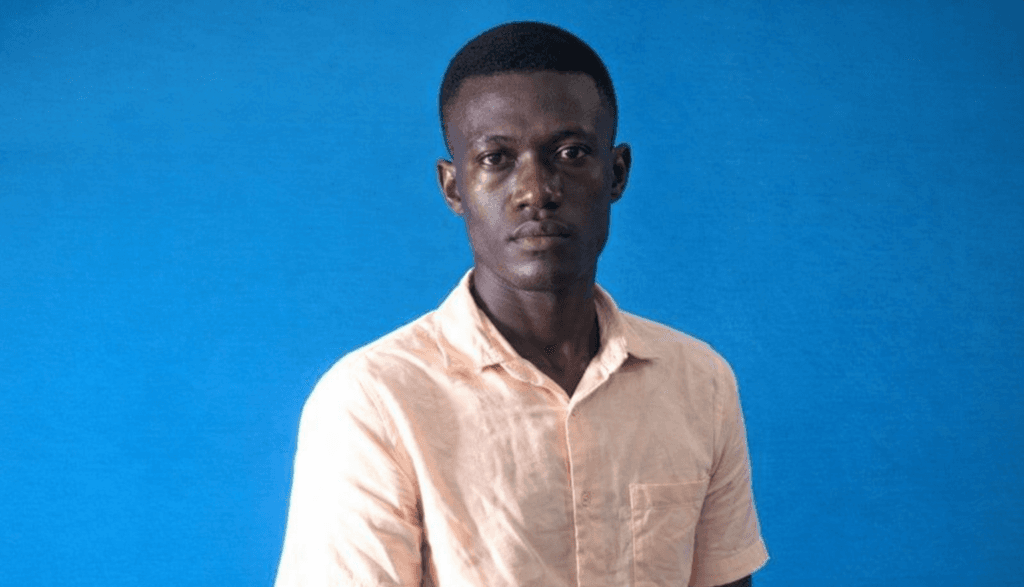
Kofi Owusu, 42, a survivor of Tuesday's deadly attack, described how the assailants, suspected to be jihadists, emerged from the dense bush, opening fire indiscriminately on their vehicles. Owusu, who narrowly escaped with his life, detailed the terrifying scene of chaos, bloodshed, and desperate attempts to flee from the ruthless attackers.
"We were on our way back from Titao, heading towards the border, when suddenly the shots started," Owusu told reporters from his hospital bed in Ouagadougou, his voice trembling. "They came out of nowhere, heavily armed, shouting. Our drivers tried to turn back, but it was too late. People were screaming, some were hit immediately. I saw my friend, Isaac, fall right beside me. I played dead under the vehicle, praying they wouldn't find me."
The ambush, which occurred on a stretch of road notorious for insecurity, targeted a group of Ghanaian traders specializing in agricultural produce and manufactured goods, a vital cross-border trade that sustains many communities. The victims were returning from a market day, their vehicles laden with goods, when they were intercepted.
Ghanaian Government Condemns Attack
The Ghanaian government has strongly condemned the attack, calling it a senseless act of terror. Officials have confirmed the identities of the seven deceased and are working with Burkinabe authorities to repatriate the bodies and ensure the injured receive adequate medical care. At least five other Ghanaians are reported to be in critical condition, suffering from gunshot wounds and trauma.
"We are deeply saddened by this barbaric act of terrorism that has claimed the lives of our innocent citizens," said Nana Akua Mensah, spokesperson for Ghana's Ministry of Foreign Affairs, in a press briefing in Accra. "Our thoughts and prayers are with the victims and their families. We are in close contact with the Burkinabe government to ascertain the full details of this tragedy and to enhance security measures for our nationals traversing these routes."
The incident has sent shockwaves through the Ghanaian trading community, many of whom rely on these routes for their livelihoods despite the growing risks. Calls for increased protection and alternative, safer passage have intensified following the ambush.
Escalating Insecurity in the Sahel
This latest attack underscores the rapidly deteriorating security situation in northern Burkina Faso, a region grappling with a persistent and brutal jihadist insurgency. Militant groups linked to Al-Qaeda and Islamic State have intensified their attacks on both civilians and security forces, leading to widespread displacement and a severe humanitarian crisis.
Colonel Moussa Traoré, a senior Burkinabe security official, acknowledged the immense challenges faced by the national army in securing vast swathes of territory. "We are committed to eradicating these terrorist elements that seek to destabilize our nation and disrupt the lives of ordinary citizens, including our neighbors," Colonel Traoré stated. "Operations are ongoing in the Titao area to track down the perpetrators of this heinous act and bring them to justice. We urge all commuters to exercise extreme caution and cooperate with security forces."
Security analysts point to the vulnerability of remote trade routes as a key factor exploited by these groups. "Trader convoys are often seen as soft targets by these militant groups, providing opportunities for plunder, recruitment, or simply spreading terror," explained Dr. Amina Diallo, a regional security analyst based in Dakar. "The porous borders between Burkina Faso, Mali, and Niger allow for easy movement of these non-state armed actors, making effective policing of these vast areas incredibly difficult. The economic impact on legitimate cross-border trade is devastating, further impoverishing communities already struggling."
Survivor's Plea for Safety
Kofi Owusu, still visibly shaken, expressed his uncertainty about returning to the trade that has sustained his family for decades. "I don't know if I can ever go back on that road," he lamented. "Every time I close my eyes, I see the faces of my friends, I hear the gunshots. We just want to earn a living, but it feels like we are being sent to our deaths."
His harrowing account is a stark reminder of the human cost of the Sahel's protracted conflict. As investigations continue and diplomatic efforts are made to address the escalating insecurity, the tragic ambush near Titao stands as a grim testament to the dangers faced by those who merely seek to conduct their daily business in a region increasingly held captive by violence.