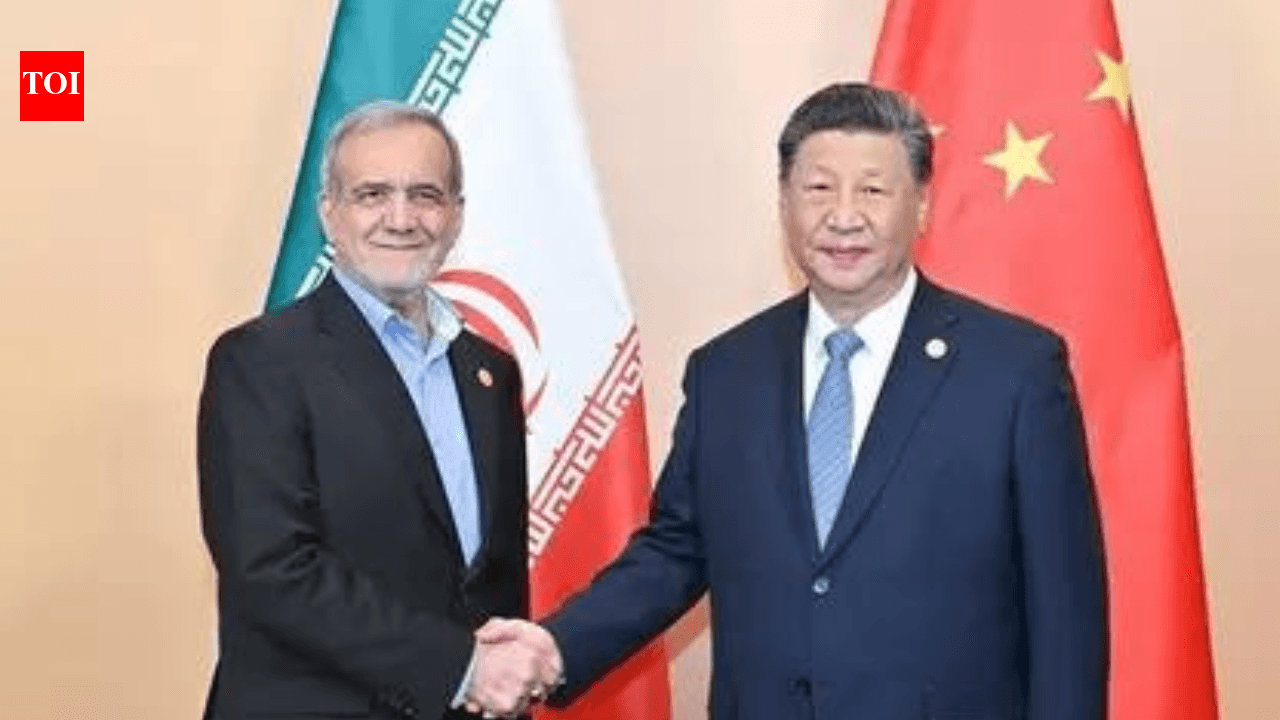
Iran is reportedly nearing a landmark agreement with China to procure advanced anti-ship cruise missiles, a development that intelligence sources warn could significantly escalate tensions in an already volatile Middle East. The deal, first reported by Reuters citing six individuals with direct knowledge of the negotiations, comes at a critical juncture, recalling the backdrop of past explicit threats of military action against Tehran by the Trump administration and highlighting persistent regional anxieties.
The acquisition of these sophisticated weapons systems would mark a considerable upgrade to Iran's naval capabilities, particularly in the strategically vital Persian Gulf and the Strait of Hormuz, a choke point for a significant portion of the world's oil supply. While details regarding the specific type and quantity of missiles remain undisclosed, experts suggest the deal likely involves systems capable of deterring or challenging naval presence in the region.
Strategic Implications and Regional Tensions
The potential missile deal underscores a deepening military and economic alignment between Tehran and Beijing, a partnership that has steadily grown amidst Western sanctions against Iran. For Iran, these missiles could bolster its asymmetric warfare doctrine, providing a credible deterrent against perceived threats and enhancing its ability to project power in its immediate maritime vicinity. For China, the agreement signifies its growing influence in the Middle East, challenging the traditional security architecture dominated by the United States and its allies.
"This isn't just about missiles; it's about a shifting geopolitical landscape," commented Dr. Eleanor Vance, a senior analyst at the Institute for Middle East Studies. "Iran has long sought to upgrade its defensive capabilities, and China is increasingly willing to be a supplier. The concern is how this will be perceived by Washington and regional powers like Saudi Arabia and Israel, potentially sparking a new arms race."
The timing of the report is particularly sensitive. Although Donald Trump is no longer in office, the memory of his administration's "maximum pressure" campaign against Iran, which included multiple explicit threats of military strikes, continues to shape regional dynamics. Any substantial enhancement of Iran's military arsenal is likely to be viewed through the lens of those past tensions, raising alarms in Washington and allied capitals.
International Reactions and Sanctions Landscape
While the United Nations arms embargo on Iran officially expired in October 2020, allowing Tehran to legally purchase conventional weapons, the United States maintains its unilateral sanctions, which could still complicate the transaction. Washington has consistently opposed arms sales to Iran, arguing that they fuel regional instability and support proxy groups. A deal of this magnitude would almost certainly draw strong condemnation from the U.S. State Department and could trigger further retaliatory measures.
"We are closely monitoring all reports concerning Iran's illicit arms procurement activities," stated a U.S. State Department spokesperson, speaking on background. "Any nation that facilitates Iran's acquisition of advanced weaponry, particularly systems that could destabilize maritime security or pose a threat to our allies, will face severe consequences. We remain committed to preventing Iran from developing or acquiring capabilities that threaten international peace and security."
Conversely, Iranian officials are likely to frame any such purchase as a legitimate exercise of their sovereign right to self-defense. "Our nation's security is non-negotiable," an unnamed source close to Iran's Supreme National Security Council reportedly stated. "We will acquire whatever is necessary to protect our borders and our people from external aggression, and we will do so through legitimate trade agreements with friendly nations."
Potential Impact on Maritime Security
The Strait of Hormuz, through which approximately one-fifth of the world's crude oil passes, has been a flashpoint for numerous incidents involving Iranian forces and international shipping. The addition of advanced anti-ship cruise missiles to Iran's arsenal could significantly complicate freedom of navigation for commercial vessels and naval forces alike, raising insurance premiums and potentially disrupting global energy markets.
Regional powers like Saudi Arabia and the United Arab Emirates, which operate extensive maritime trade routes and host significant U.S. military presence, would likely view the deal with profound concern. Their reaction could include accelerated efforts to acquire complementary defensive systems or increased calls for a more robust international security presence in the Gulf.
A Shifting Balance of Power
The reported missile deal is more than a mere transaction; it represents a tangible manifestation of a shifting global balance of power and influence. As China expands its economic and strategic footprint globally, its willingness to engage in sensitive arms sales with countries like Iran signals a growing challenge to the existing international order. For Iran, it offers a pathway to enhance its military posture and reduce its isolation, albeit at the risk of further exacerbating regional tensions.
The Middle East remains on edge, with the potential acquisition of advanced Chinese anti-ship cruise missiles by Iran adding another layer of complexity to its already intricate web of alliances and rivalries. The coming weeks will likely see intense diplomatic activity as world powers grapple with the implications of this significant development.