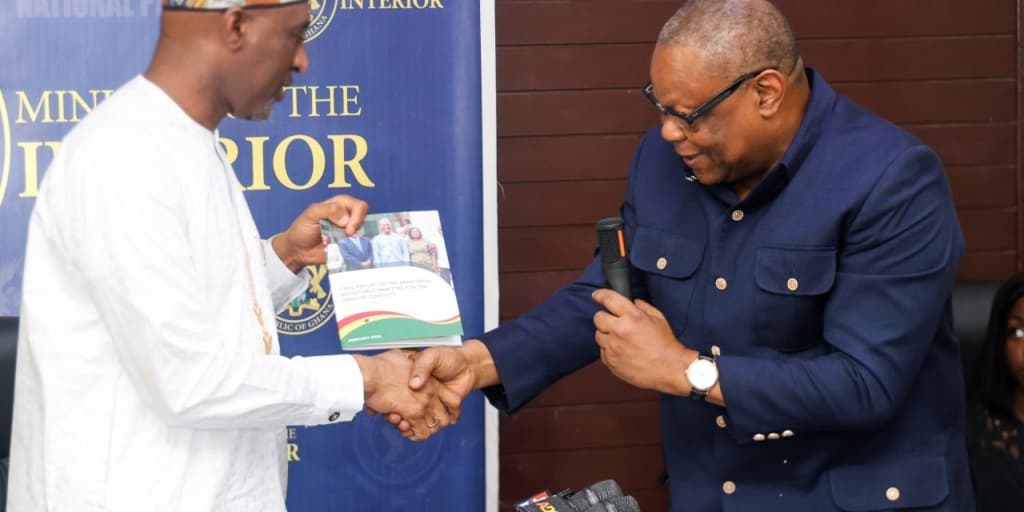
The Gbenyiri Mediation Committee was established to investigate the root causes of the conflict and to identify potential solutions. The committee, composed of respected community leaders and experts, conducted extensive consultations with stakeholders from both communities, gathering information and insights that have informed its recommendations. According to Dr. Fuseini Nurudeen, a member of the committee, "the report provides a comprehensive analysis of the conflict, including its historical context, socio-economic factors, and cultural dynamics." He added, "our recommendations are designed to address the underlying issues driving the conflict, and to promote reconciliation, forgiveness, and cooperation between the Lobi/Birifor and Gonja communities."
Background to the Conflict
The conflict between the Lobi/Birifor and Gonja communities has its roots in a complex web of historical, cultural, and economic factors. The two communities have competing claims to land and resources, which have fueled tensions and violence over the years. The conflict has resulted in the loss of lives, displacement of people, and destruction of property, causing significant humanitarian and economic challenges for the region.
"The conflict has had a devastating impact on the livelihoods of people in the region, particularly women and children,"said Madam Ayishetu Ibrahim, a community leader from the Lobi/Birifor community.
"We are eager to see a lasting resolution to the conflict, and we believe that the Gbenyiri Mediation Committee's report provides a solid foundation for achieving this goal."
Key Recommendations
The Gbenyiri Mediation Committee's report is expected to provide a detailed roadmap for resolving the conflict. While the full report has not been made public, sources close to the committee have indicated that the recommendations include the establishment of a joint committee to manage land and resources, the creation of economic opportunities for both communities, and the promotion of cultural exchange programs to foster greater understanding and cooperation. Alhaji Abdul-Rahman, a spokesperson for the Gonja community, welcomed the report's submission, stating that
"we are committed to working with the Lobi/Birifor community to implement the recommendations and to build a more peaceful and prosperous future for our people."
The Minister for the Interior, Muntaka Mohammed-Mubarak, has expressed his appreciation for the committee's work and has pledged to study the report carefully.
"The government is committed to finding a lasting solution to the conflict, and we believe that the Gbenyiri Mediation Committee's report provides a valuable contribution to this effort,"he said. The Minister added that the government will work closely with stakeholders from both communities to implement the recommendations and to ensure that the peace process is inclusive and sustainable.
Way Forward
The receipt of the Gbenyiri Mediation Committee's report marks an important step forward in the efforts to resolve the Lobi-Gonja conflict. However, the journey to lasting peace and reconciliation will require sustained commitment and effort from all stakeholders. The government, community leaders, and civil society organizations must work together to implement the recommendations and to address the underlying issues driving the conflict. As Dr. Nurudeen noted,
"the report is just the beginning – the real work starts now, and we must all play our part in building a more peaceful and prosperous future for the people of the Savannah Region."
In conclusion, the submission of the Gbenyiri Mediation Committee's report provides a significant opportunity for resolving the Lobi-Gonja conflict. The report's recommendations, if implemented, have the potential to promote lasting peace and reconciliation between the two communities. As the government and stakeholders move forward with the implementation process, it is essential that they prioritize inclusivity, transparency, and accountability. With commitment and determination, it is possible to build a brighter future for the people of the Savannah Region, one that is characterized by peace, stability, and prosperity for all. The Minister for the Interior, Muntaka Mohammed-Mubarak, has pledged to provide regular updates on the implementation process, and the nation waits with bated breath to see the positive impact that this report will have on the region.