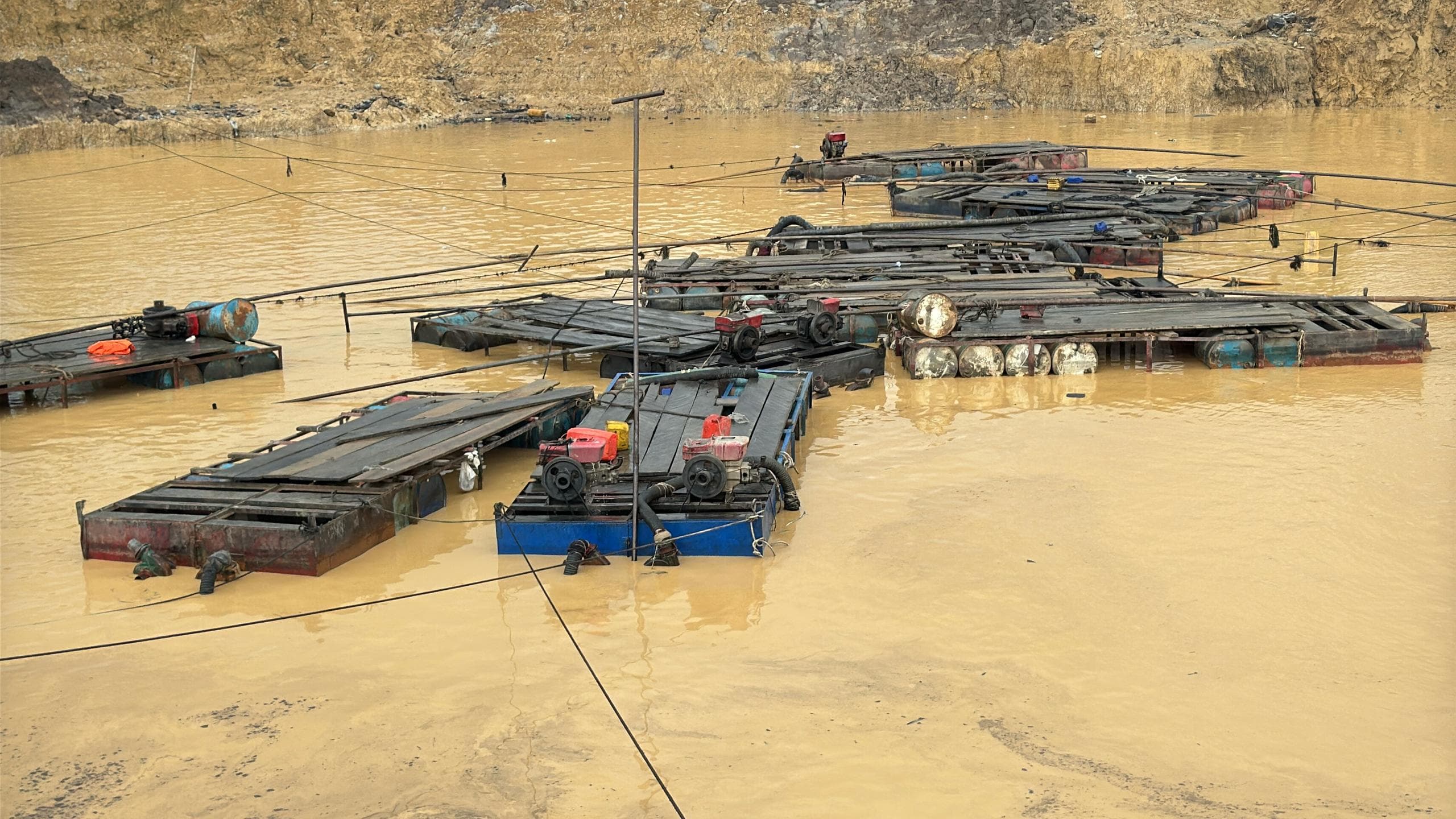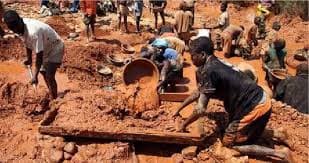

The protest was the latest in a series of demonstrations and campaigns by civil society groups and concerned citizens, who are growing increasingly frustrated with the government's inability to tackle the galamsey menace. The illegal mining activities have been blamed for the destruction of forests, pollution of water bodies, and displacement of communities. Dr. Ama Kyerewaa, a lecturer at the University of Ghana's Department of Geography and Resource Development, noted that the galamsey problem is a complex issue that requires a multifaceted approach. "Galamsey is not just an environmental problem, but also a social and economic issue," she said. "We need to address the root causes of the problem, including poverty and unemployment, in order to find a lasting solution."
Background to the Protest
The Concerned Citizens Against Galamsey group has been at the forefront of the campaign against galamsey, using social media and other platforms to raise awareness about the issue. The group's spokesperson, Mr. Kwame Owusu, said that the protest was a last resort, after all other attempts to engage the government had failed. "We have written letters, attended meetings, and made phone calls, but nothing seems to be working," he said. "We are left with no choice but to take to the streets to demand action from our leaders." Mr. Owusu added that the group is not opposed to mining per se, but rather to the illegal and unregulated activities that are causing harm to the environment and communities.
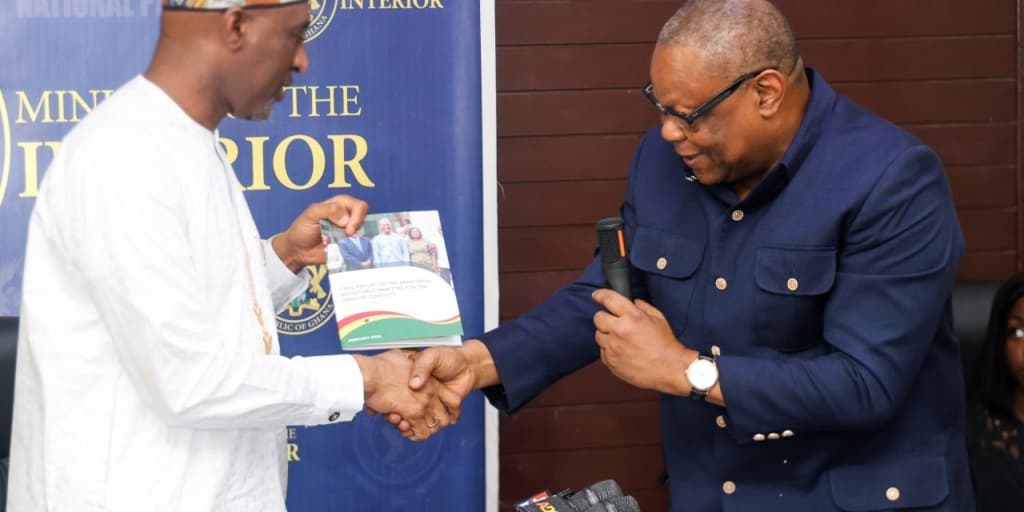
The Ministry of the Interior has acknowledged receipt of the petition and promised to study it and respond accordingly. Deputy Minister of the Interior, Mrs. Gifty Ohene-Konadu, said that the government is committed to tackling the galamsey problem and is working with various stakeholders to find a solution. "We understand the concerns of the protesters and share their frustration," she said. "However, we must also ensure that any actions we take are in line with the law and do not infringe on the rights of citizens." Mrs. Ohene-Konadu added that the government is exploring various options, including the use of technology and community-based initiatives, to combat galamsey.
Impact of Galamsey
The impact of galamsey on the environment and communities has been devastating.
The water bodies are polluted, the forests are destroyed, and the communities are displaced, said Mr. Emmanuel Addai, a resident of a community affected by galamsey. "We can no longer fish in the rivers, and our children are falling sick due to the pollution." Mr. Addai added that the galamsey operators are also causing social problems, including prostitution and crime. "They come into our communities with their money and their influence, and they corrupt our youth and our leaders," he said.
Dr. Kwabena Frimpong, a researcher at the Water Research Institute, noted that the pollution caused by galamsey is having a long-term impact on the country's water resources. "The chemicals used in the mining process are contaminating the water bodies, and this is affecting not just the environment, but also human health," he said. Dr. Frimpong added that the government needs to take urgent action to address the problem, including the establishment of a task force to enforce the laws and regulations governing mining.
Way Forward
The protest by the Concerned Citizens Against Galamsey group is a wake-up call for the government to take action against galamsey. The government must work with civil society groups, communities, and other stakeholders to find a lasting solution to the problem. Mr. Owusu said that the group is willing to work with the government to find a solution, but emphasized that the government must take concrete actions to address the issue. "We are not just asking for promises, we are asking for action," he said. "We want to see the galamsey operators arrested and prosecuted, and we want to see the affected communities rehabilitated."
In conclusion, the protest by the Concerned Citizens Against Galamsey group is a reminder that the galamsey problem is a pressing issue that requires urgent attention. The government must take concrete actions to address the problem, including the enforcement of laws and regulations, the establishment of a task force, and the provision of support to affected communities. As Dr. Kyerewaa noted, "the fight against galamsey is a collective responsibility, and we all have a role to play in finding a solution." The government must work with civil society groups, communities, and other stakeholders to find a lasting solution to the problem, and to ensure that the country's natural resources are protected for future generations.