The ISSER study emphasizes the need for a multi-faceted approach to addressing Ghana's waste management challenges, which include inadequate waste collection services, improper disposal of waste, and the lack of recycling facilities. According to the study, investing in waste management infrastructure and services could yield significant returns, not only in terms of economic benefits but also in improved public health and environmental outcomes. As noted by Dr. Ama Ofori-Antwi, a research fellow at ISSER, "The economic benefits of investing in waste management are clear. By improving waste collection, disposal, and recycling, Ghana can reduce the economic costs associated with poor waste management, such as the loss of productivity due to waste-related illnesses and the environmental degradation of water sources and land."
Current State of Waste Management in Ghana
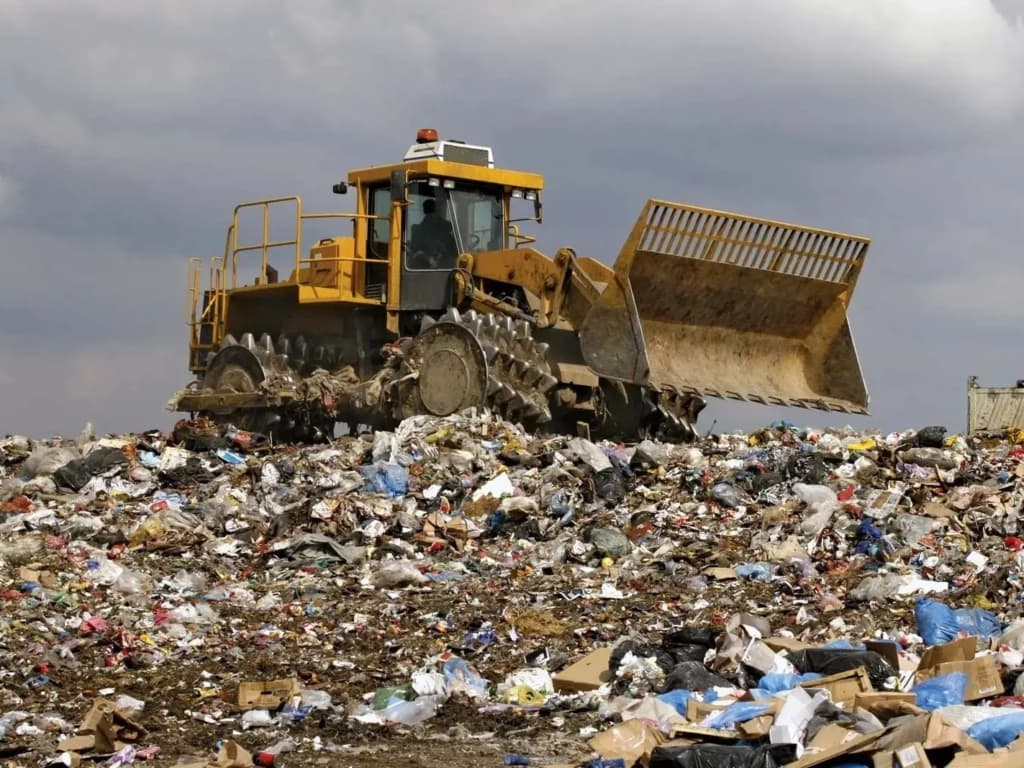
The current state of waste management in Ghana is a concern, with many communities lacking access to basic waste collection services. In urban areas, the situation is particularly dire, with waste often being dumped in open spaces, waterways, and other unauthorized locations. This has resulted in significant environmental and health problems, including the contamination of water sources, the spread of diseases, and the loss of biodiversity. As Mr. Ebenezer Appiah, a waste management expert, observed, "The lack of investment in waste management infrastructure has resulted in a crisis situation, where waste is not being collected, disposed of, or recycled in a responsible manner. This has serious implications for public health, the environment, and the economy."
Potential Economic Benefits
The potential economic benefits of investing in waste management in Ghana are substantial. According to the ISSER study, the GHS 47.9 billion in annual economic benefits that could be generated by 2032 is equivalent to approximately 10% of Ghana's current GDP. These benefits would accrue from a range of sources, including the creation of jobs in the waste management sector, the reduction of economic costs associated with poor waste management, and the generation of revenue from the sale of recycled materials. As
"Investing in waste management is not just a social or environmental imperative, but also an economic one. By prioritizing waste management, Ghana can unlock significant economic benefits, create jobs, and stimulate economic growth,"noted Dr. Charles Ackah, a senior research fellow at ISSER.
To achieve the potential economic benefits identified in the ISSER study, Ghana will need to make significant investments in its waste management infrastructure and services. This will require a coordinated effort from government, the private sector, and civil society, as well as a commitment to prioritizing waste management as a key sector for investment and development. As Ms. Esther Dapeah, a waste management consultant, commented, "The private sector has a critical role to play in supporting the development of Ghana's waste management sector. By investing in waste management infrastructure and services, the private sector can help to unlock the economic benefits of waste management, while also contributing to improved public health and environmental outcomes."
Way Forward
The ISSER study provides a clear roadmap for Ghana to unlock the potential economic benefits of waste management. By prioritizing investment in waste management infrastructure and services, Ghana can reduce the economic costs associated with poor waste management, improve public health and environmental outcomes, and stimulate economic growth. As Mr. Francis Boateng, a government official, noted, "The government is committed to prioritizing waste management as a key sector for investment and development. We recognize the potential economic benefits of waste management and are working to create an enabling environment for investment in the sector." By working together, Ghana can unlock the potential of its waste management sector and achieve the economic benefits identified in the ISSER study.
In conclusion, the potential economic benefits of investing in waste management in Ghana are significant, with the country standing to reap up to GHS 47.9 billion in annual economic benefits by 2032. To achieve these benefits, Ghana will need to prioritize investment in its waste management infrastructure and services, while also promoting a culture of responsible waste management practices among its citizens. By doing so, Ghana can unlock the economic potential of its waste management sector, improve public health and environmental outcomes, and stimulate economic growth and development. As the country looks to the future, it is clear that investing in waste management will be critical to achieving Ghana's economic and development goals.