
The fake notices, which were designed to look like genuine traffic violation notices, informed recipients that they had been fined for various traffic offenses, including speeding and reckless driving. The notices also provided details of the alleged offenses, including the date, time, and location, as well as the amount of the fine. However, upon further investigation, it was discovered that the notices were fake and had been generated using stolen data and sophisticated software. The police have warned members of the public to be vigilant and to verify the authenticity of any traffic violation notices they receive, as the scammers may use the fake notices to extract money and personal data from their victims.
Investigation and Arrests
The investigation into the fake traffic violation notices began several months ago, after the police received numerous complaints from members of the public who had received the fake notices. The police worked tirelessly to track down the suspects, following a trail of digital clues and gathering evidence from various sources. The breakthrough came when the police discovered a pattern of suspicious activity on a particular website, which led them to the suspects.
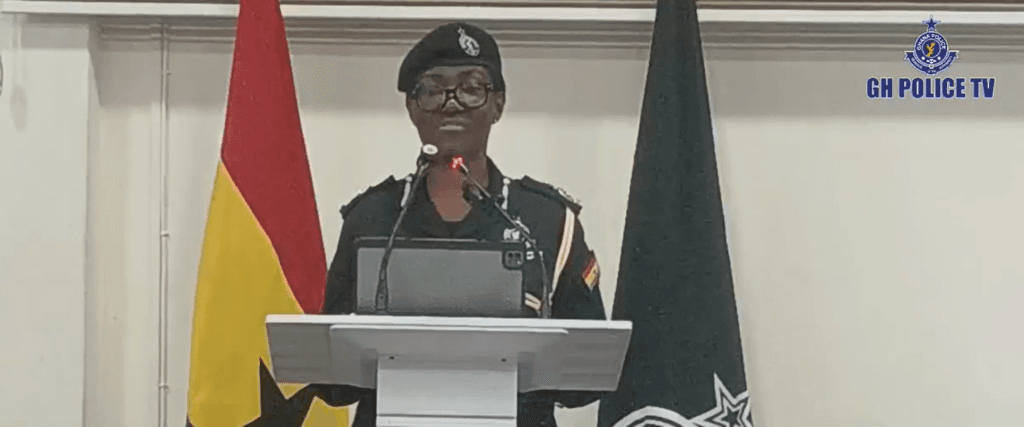
"We are pleased to have made these arrests, which demonstrate our commitment to combating cybercrime and protecting the public from online scams,"said Deputy Superintendent of Police, Mrs. Ama Serwaa, who led the investigation. "We will continue to work tirelessly to track down and prosecute those who engage in such activities, and we urge members of the public to report any suspicious activity to the police."
The suspects, who are currently being held in police custody, are expected to be charged with various offenses, including fraud, forgery, and conspiracy. If convicted, they could face significant fines and imprisonment. The police have also warned that they will be conducting further investigations to determine the extent of the scam and to identify any other individuals who may be involved. The police have assured the public that they will do everything in their power to prevent such scams from occurring in the future, and have urged members of the public to be cautious when receiving emails and SMS messages from unknown sources.
Impact on the Public
The fake traffic violation notices have caused significant distress and inconvenience to many members of the public, who have received the fake notices and have been unsure of what to do. Some have reported feeling anxious and stressed, while others have reported feeling frustrated and angry.
"I received a fake notice last month, and I was so worried that I had actually committed a traffic offense,"said Mrs. Akua Mensah, a teacher who lives in Accra. "I spent hours trying to verify the notice, and I was relieved to discover that it was fake. I hope that the police will do everything in their power to prevent such scams from occurring in the future."
The police have urged members of the public to be vigilant and to report any suspicious activity to the police. They have also provided guidance on how to verify the authenticity of traffic violation notices, including checking the notice for spelling and grammatical errors, and contacting the police to confirm the notice. The police have also warned that they will take tough action against anyone who is found to be involved in such scams, and have urged members of the public to cooperate with them to prevent such activities from occurring.
Prevention and Education
To prevent such scams from occurring in the future, the police have launched a public education campaign to raise awareness about the risks of online scams and fraud. The campaign, which includes radio and television advertisements, as well as social media messages, aims to educate the public about the dangers of fake traffic violation notices and other online scams.
"We want to empower members of the public with the knowledge and skills they need to protect themselves from online scams,"said Superintendent of Police, Mr. Kwame Owusu, who is leading the campaign. "We urge everyone to be cautious when receiving emails and SMS messages from unknown sources, and to report any suspicious activity to the police."
The police have also partnered with other organizations, including the Ghana Chamber of Telecommunications and the Cyber Security Authority, to combat cybercrime and online scams. The partnership aims to share knowledge and expertise, as well as to coordinate efforts to prevent and investigate cybercrime. The police have assured the public that they will do everything in their power to prevent such scams from occurring in the future, and have urged members of the public to cooperate with them to achieve this goal.
In conclusion, the arrest of the seven suspects in connection with the fake electronic traffic violation notices is a significant breakthrough in the fight against cybercrime and online scams in Ghana. The police have demonstrated their commitment to combating such activities, and have assured the public that they will do everything in their power to prevent such scams from occurring in the future. As the police continue to investigate and prosecute those involved in such activities, members of the public are urged to remain vigilant and to report any suspicious activity to the police. With the help of the public, the police can work to create a safer and more secure online environment for everyone.