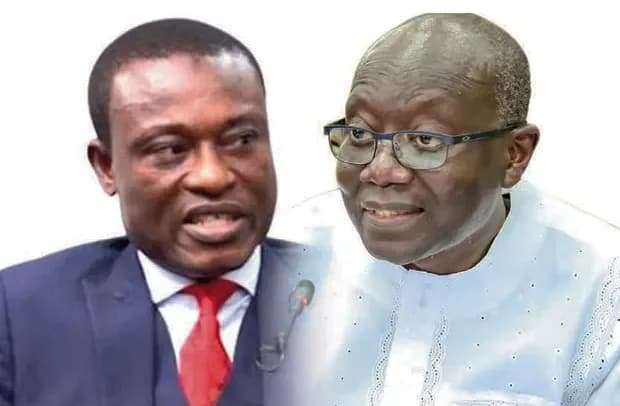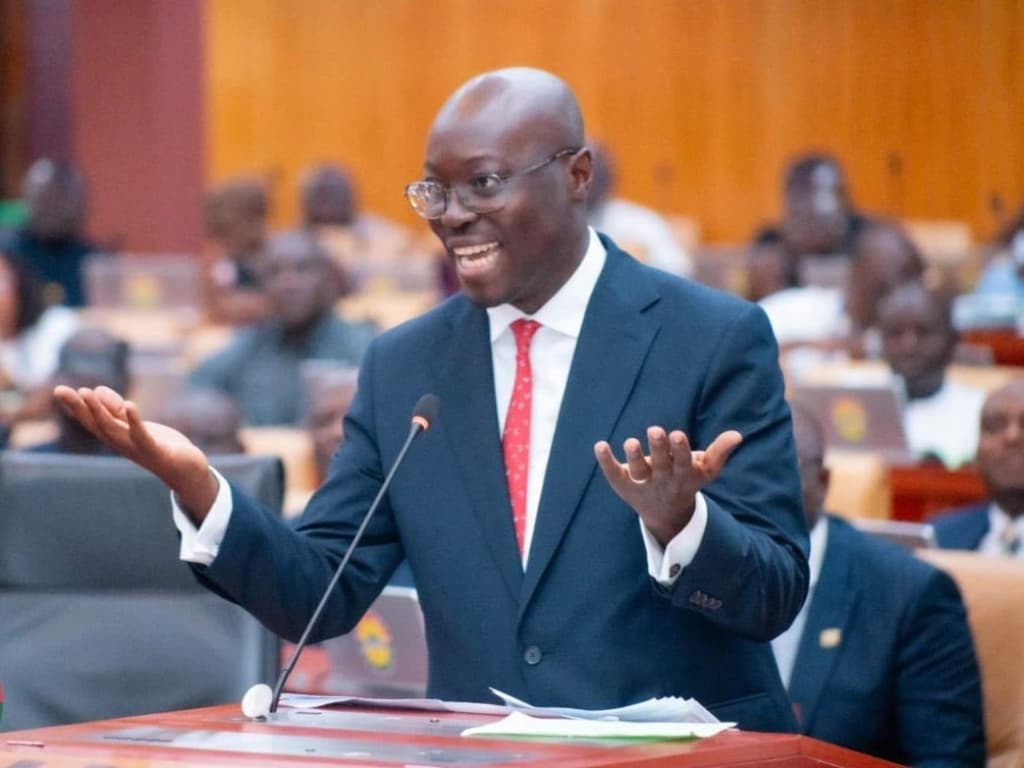

ACCRA, Ghana – Dr. Joshua Zaato, a political scientist at the University of Ghana, has issued a stark challenge to the national discourse on illegal mining, widely known as galamsey, by questioning the ultimate destination of the gold extracted through these illicit operations. His intervention highlights what he describes as a critical oversight in the ongoing fight against the menace, calling for greater accountability regarding the economic beneficiaries and the flow of this illegally obtained wealth.
Dr. Zaato's remarks underscore a prevalent concern that while much attention is rightly focused on the environmental devastation, social disruption, and direct illegality of galamsey operations, the crucial question of who profits from and ultimately receives the gold often remains unaddressed. This gap, he argues, impedes a holistic and effective strategy to eradicate illegal mining, suggesting that without understanding the demand and supply chains of this illicit gold, efforts to curb its extraction will only ever be partially successful.
The Unanswered Question of Illicit Gold
The academic's call for accountability shifts the focus beyond the mining sites to the broader ecosystem that sustains galamsey. "We talk extensively about the pits, the mercury pollution, the ruined farmlands, and the foreign nationals involved, but very little about where the tons of gold ultimately go," Dr. Zaato reportedly stated, emphasizing the need for a comprehensive investigation into the trade routes, financial networks, and end-users of galamsey gold. "Is it melted down and integrated into the formal market elsewhere? Who are the international buyers? What financial institutions facilitate these transactions? These are the uncomfortable questions that must be answered if we are serious about tackling galamsey at its roots, not just at its branches."
Ghana, one of Africa's leading gold producers, has grappled with the pervasive problem of galamsey for decades. Despite various government initiatives, including military-led operations, confiscation of equipment, and public awareness campaigns, the practice persists, inflicting severe damage on water bodies, forest reserves, and agricultural lands. However, the economic dimension—specifically, the illicit revenue generated and its subsequent flight from the national economy—is often less quantified or publicly discussed.
Economic Leakages and National Security Implications
The unaccounted gold represents a significant economic leakage for Ghana, depriving the state of substantial tax revenues, royalties, and foreign exchange earnings. Furthermore, the clandestine nature of its trade raises concerns about money laundering, illicit financing, and potential links to other transnational organized crimes. Dr. Zaato contends that understanding these financial flows is paramount not only for economic recovery but also for national security.
"Dr. Zaato's point is incredibly pertinent. We've seen significant investments in stopping galamsey on the ground, but if the market for the illicit gold remains robust and untracked, the motivation for illegal mining will always find a way to resurface," remarked Dr. Akosua Mensah, an economist specializing in natural resources at the Institute for Fiscal Studies. "This gold bypasses all regulatory frameworks, meaning no taxes are paid, no environmental standards are met, and the profits often leave the country, contributing to capital flight and weakening our currency."
Sources within the Minerals Commission, speaking anonymously due to the sensitivity of the issue, acknowledged the complexity of tracking illicit gold. "It's an immense challenge," one official stated. "The methods used by these illegal networks are sophisticated, involving cross-border smuggling and the use of informal channels. We are working with various security agencies to enhance intelligence gathering and interdiction, but it requires a multi-pronged approach that goes beyond our borders."
Calls for Enhanced Transparency and Cross-Border Cooperation
Political observers suggest that Dr. Zaato's call for accountability aligns with broader demands for transparency in Ghana's extractive sector. Civil society organizations have consistently advocated for stronger regulatory frameworks, improved enforcement, and greater public disclosure of beneficial ownership in mining concessions.
"The question of where galamsey gold goes directly points to the issue of complicity, both local and international," stated Mr. Kwesi Ansah, Executive Director of the Ghana Anti-Corruption Coalition. "When huge volumes of gold disappear from the system without trace, it suggests that there are powerful individuals and well-organized syndicates facilitating this. Government must demonstrate a stronger political will to investigate these networks, prosecute those involved, and collaborate with international partners to disrupt the entire value chain of illicit gold."
Addressing the "where does it go?" question would necessitate enhanced collaboration among various state institutions, including the Minerals Commission, Ghana Revenue Authority, Financial Intelligence Centre, Economic and Organized Crime Office (EOCO), and security agencies. It would also require robust international cooperation with countries that are potential transit points or end-markets for illegally mined gold.
A Forward-Looking Perspective
As Ghana continues its battle against galamsey, Dr. Zaato's intervention serves as a critical reminder that a purely localized approach may be insufficient. The fight, he suggests, must extend to the global supply and demand dynamics that fuel the illicit trade. By shining a spotlight on the ultimate destination of galamsey gold, the political scientist aims to provoke a deeper, more uncomfortable, but ultimately necessary conversation that could unlock new strategies for accountability and resource governance.
Stakeholders believe that a concerted effort to trace and disrupt these illicit gold flows is not just about environmental protection or law enforcement, but fundamentally about safeguarding Ghana's economic future and ensuring that its vast mineral wealth benefits its citizens rather than enriching criminal enterprises.