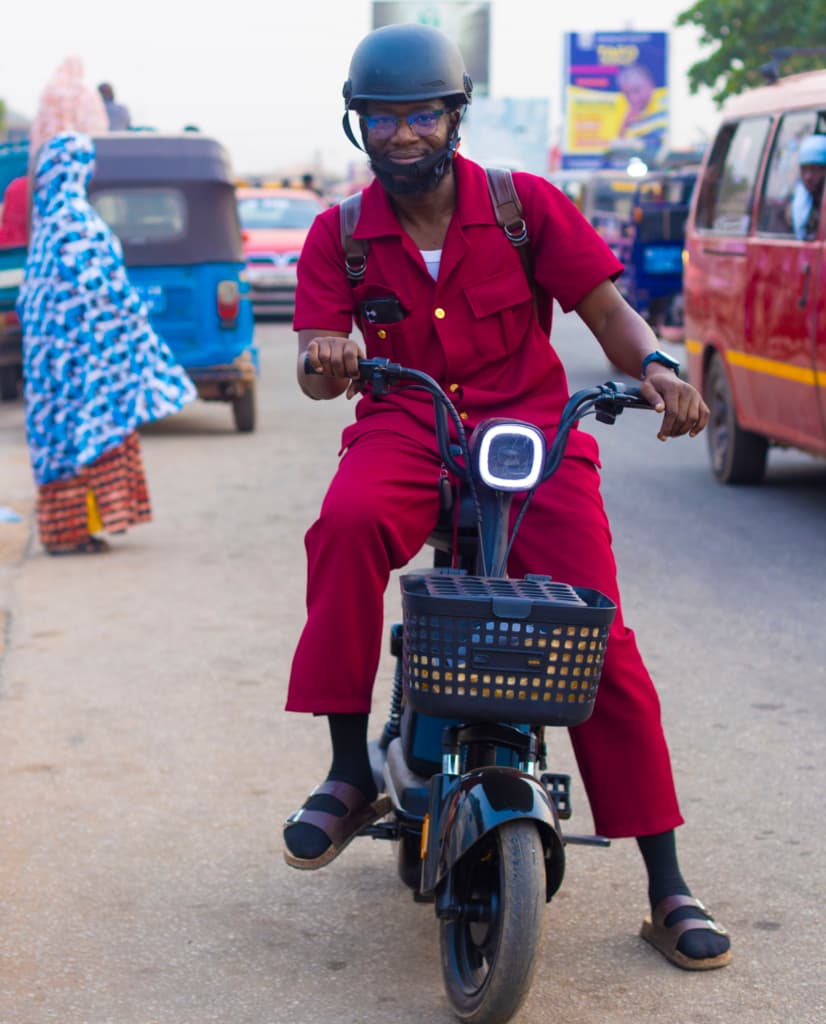
The journalist, who prefers to remain anonymous, has been using a bicycle as the primary mode of transportation for the past year. This simple yet effective approach has not only reduced the journalist's carbon footprint but has also inspired others to follow suit. According to Dr. Ama Owusu, a transportation expert at the Kwame Nkrumah University of Science and Technology, "The use of non-motorized transport is a viable solution to the growing problem of air pollution in our cities. It's a low-cost, efficient, and environmentally friendly way to get around, and we should be encouraging more people to adopt this approach." As the city continues to grow and develop, the need for sustainable transport solutions has become increasingly pressing, and initiatives like this one are being seen as a crucial step in the right direction.
The Impact of Climate Change on Urban Transport
Climate change is having a profound impact on urban transport systems around the world. Rising temperatures, more frequent natural disasters, and changing precipitation patterns are all taking a toll on the infrastructure that underpins our cities. In Kumasi, the effects of climate change are being felt acutely, with increased flooding and heatwaves becoming more common.
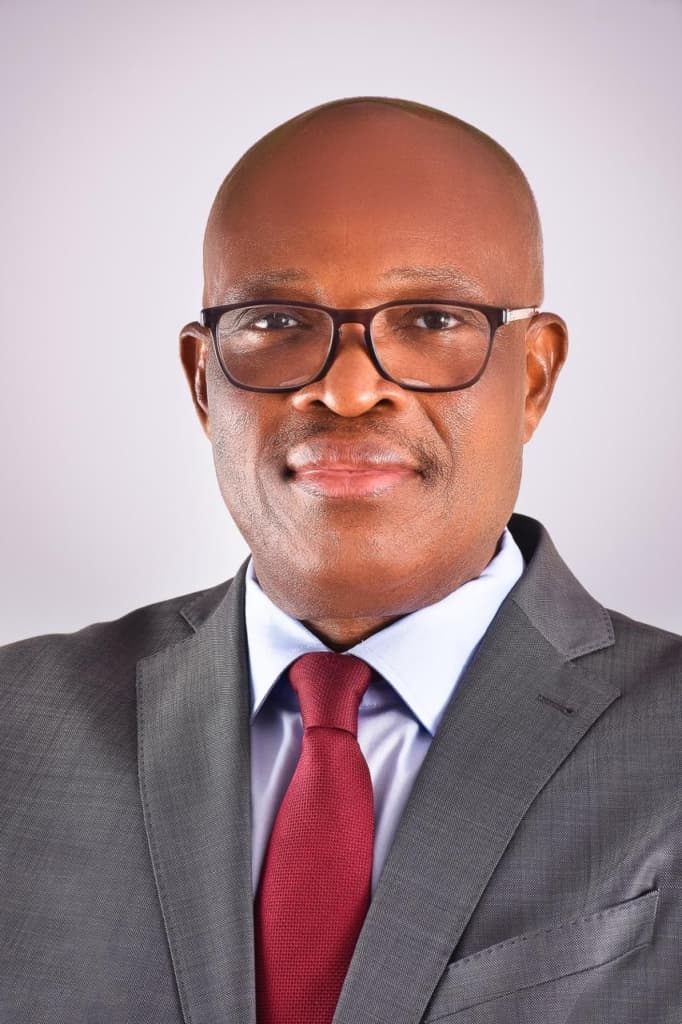
"The changing climate is forcing us to rethink the way we design and use our transport systems," says Mr. Kofi Owusu, the Metropolitan Chief Executive of Kumasi. "We need to find ways to reduce our reliance on fossil fuels and promote more sustainable forms of transportation. This is not just an environmental issue, but also a matter of public health and economic development."By promoting the use of non-motorized transport, the city can reduce its carbon emissions, improve air quality, and create a more livable and sustainable environment for its citizens.
A Quiet Form of Resistance
The climate journalist's decision to use a bicycle as a primary mode of transportation is not just a personal choice, but also a form of quiet resistance against the dominant culture of car dependency. In a city where owning a car is often seen as a status symbol, the journalist's actions are a powerful statement about the need for change. Dr. Akosua Mensah, a sociologist at the University of Ghana, notes that "The use of non-motorized transport is not just about reducing carbon emissions, but also about challenging the social and cultural norms that underpin our transportation systems. By opting for a bicycle, the journalist is making a statement about the kind of city we want to live in and the values we want to promote." As the city continues to grow and develop, it is likely that more people will be inspired to follow the journalist's lead and opt for more sustainable forms of transportation.
The initiative has also sparked a wider conversation about the need for more bike-friendly infrastructure in the city. Mr. Owusu notes that "We need to create a safe and supportive environment for cyclists, with dedicated bike lanes, secure parking facilities, and adequate signage. This will not only encourage more people to use bicycles, but also reduce the risk of accidents and improve overall road safety." The city has already begun to take steps in this direction, with plans to construct a network of bike lanes and pedestrianized zones in the coming years. As the city continues to evolve and grow, it is likely that the use of non-motorized transport will become an increasingly important part of the urban landscape.
A Model for Other Cities
The initiative in Kumasi is being seen as a model for other cities in Ghana and beyond. As the world grapples with the challenges of climate change, sustainable transport solutions are becoming increasingly important. Dr. Owusu notes that "The use of non-motorized transport is a low-cost and effective way to reduce carbon emissions and improve air quality. It's a solution that can be replicated in cities around the world, and we should be encouraging more people to adopt this approach." The initiative in Kumasi is a powerful example of how individual actions can collectively make a difference and inspire change. As the city continues to promote the use of non-motorized transport, it is likely that other cities will follow suit, creating a ripple effect of positive change that will be felt for generations to come.
In conclusion, the quiet ride through Kumasi is more than just a personal choice – it's a powerful statement about the need for sustainable transport solutions in our cities. As the world continues to grapple with the challenges of climate change, initiatives like this one are a beacon of hope for a more sustainable and livable future. Dr. Mensah notes that "The use of non-motorized transport is not just about reducing carbon emissions, but also about creating a better quality of life for ourselves and future generations. It's a choice that requires courage, conviction, and a willingness to challenge the status quo. But as the journalist's actions have shown, it's a choice that can have a profound impact on the world around us." As we look to the future, it is likely that the use of non-motorized transport will become an increasingly important part of our urban landscape, and initiatives like this one will continue to inspire and motivate us to create a more sustainable and livable world.