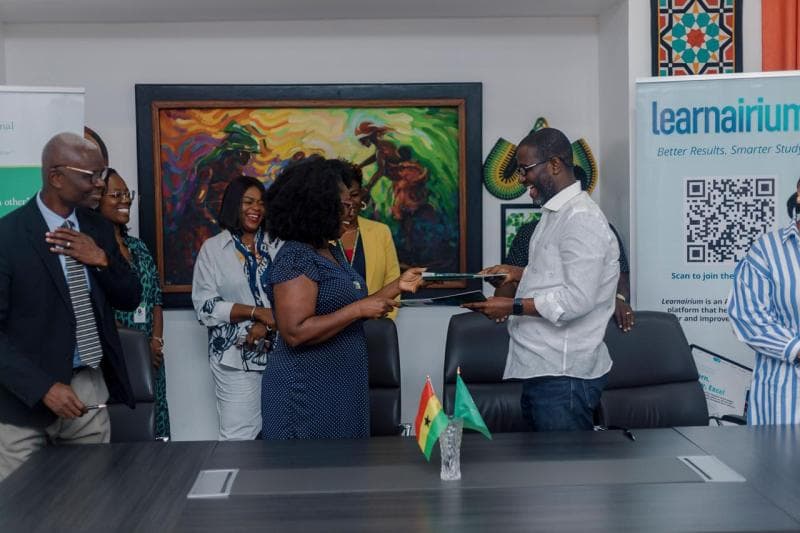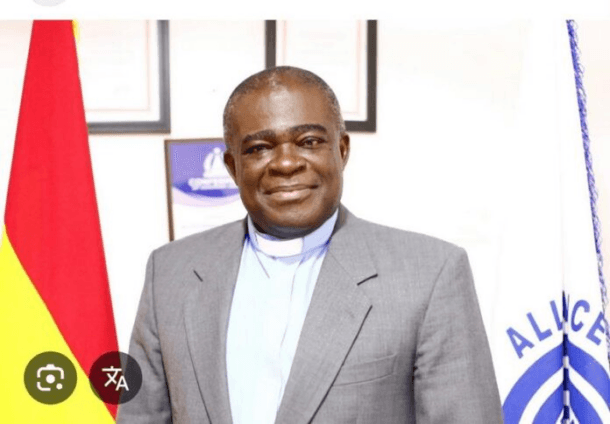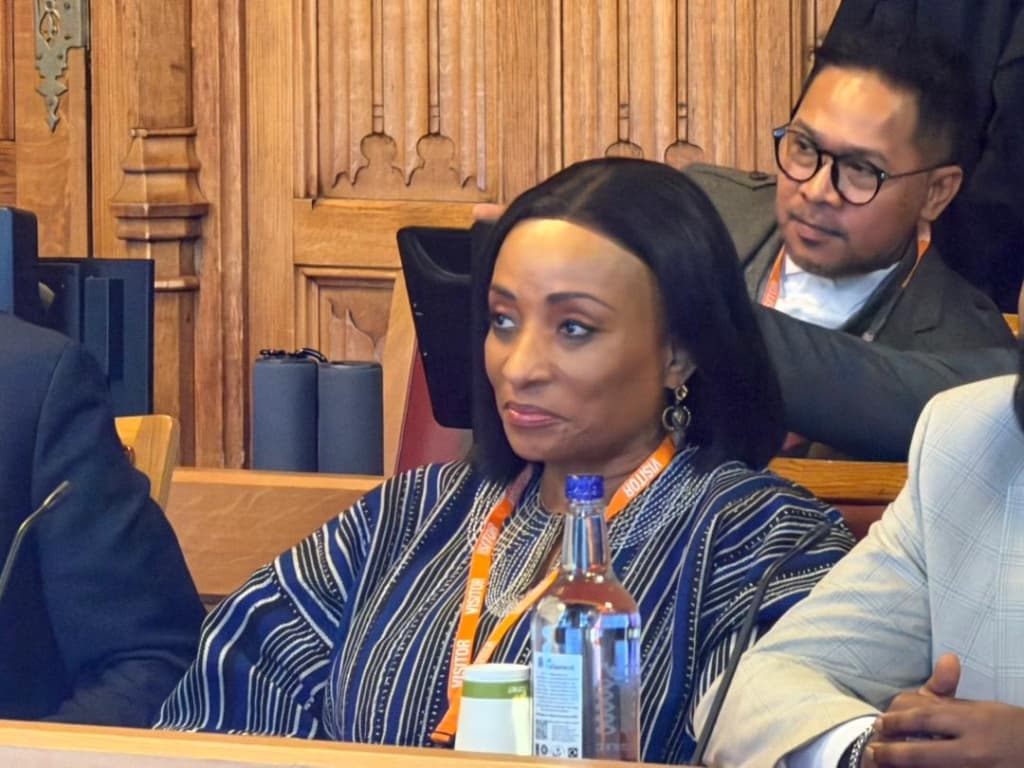
The International Mother Language Day event at the UK Parliament served as a platform for experts to discuss the significance of linguistic diversity and its impact on education, culture, and economic development. Commissioner Benson emphasized that Ghana's multilingual approach to education is designed to ensure that all citizens, regardless of their linguistic background, have equal access to quality education and opportunities for social mobility. Inclusive language policies are seen as crucial in promoting national unity and fostering a sense of belonging among Ghana's diverse population.
Language and Education in Ghana
Ghana is a linguistically diverse country, with over 100 languages spoken across its ten regions. The country's language policy recognizes the importance of mother tongue education, with many schools offering instruction in local languages, particularly at the primary level. Language experts argue that mother tongue education is essential for cognitive development, as it allows children to learn and understand complex concepts more easily. As noted by Dr. Ama Ansah, a linguistics expert at the University of Ghana, "Research has shown that children who receive education in their mother tongue tend to perform better academically and have higher self-esteem than those who are taught in a second language."
Commissioner Benson highlighted the progress Ghana has made in implementing multilingual education policies, citing the introduction of bilingual programs in some schools and the development of language teaching materials in local languages. She also acknowledged the challenges that remain, including the need for more trained teachers and resources to support multilingual education. According to Benson, "Ghana is committed to providing quality education to all its citizens, and we recognize that this can only be achieved by promoting linguistic diversity and inclusivity in our education system."
"Language is not just a means of communication; it is also a vital part of our cultural identity and heritage. By promoting multilingual education, we are not only enhancing academic achievement but also preserving our cultural diversity and promoting social cohesion," said Commissioner Benson.
International Cooperation and Support
The event at the UK Parliament also highlighted the importance of international cooperation and support in promoting linguistic diversity and multilingual education. Representatives from UNESCO, the British Council, and other organizations emphasized the need for global partnerships to share best practices, provide technical assistance, and mobilize resources to support language development initiatives. As stated by UNESCO's Representative to the UK, "International Mother Language Day is a reminder of the importance of linguistic diversity and the need for collective action to promote multilingual education and preserve endangered languages."
The UK government has pledged its support for Ghana's multilingual education initiatives, with the British Council announcing plans to provide technical assistance and funding for language development projects in Ghana. According to the British Council's Country Director, "We recognize the importance of language in promoting education, economic development, and social cohesion. We are committed to supporting Ghana's efforts to promote linguistic diversity and inclusivity in its education system."
Conclusion and Future Prospects
In conclusion, Ghana's reaffirmation of its commitment to multilingual education at the International Mother Language Day event in the UK Parliament underscores the country's dedication to promoting linguistic diversity and inclusivity. As Commissioner Benson noted, "Ghana's multilingual approach to education is a key component of its national development strategy, and we are committed to working with international partners to achieve our goals." With the support of the international community, Ghana is poised to make significant progress in promoting multilingual education and preserving its linguistic heritage. As the world celebrates International Mother Language Day, Ghana's commitment to linguistic diversity serves as a model for other countries to follow, highlighting the importance of inclusive language policies in promoting social cohesion, education, and economic development.