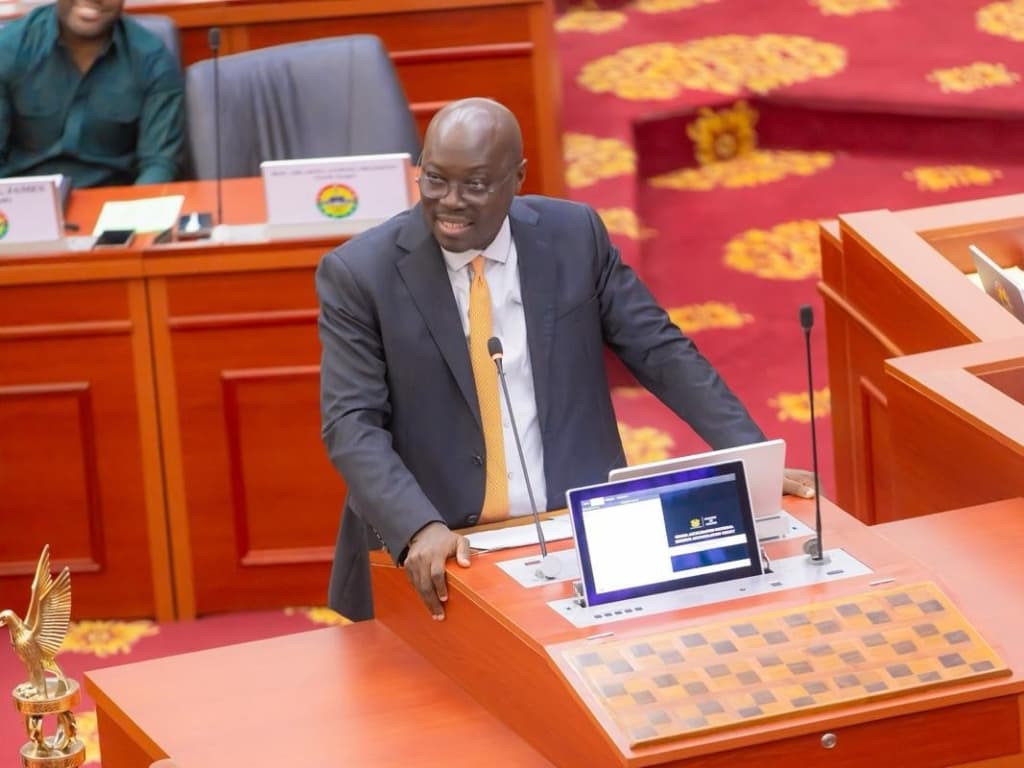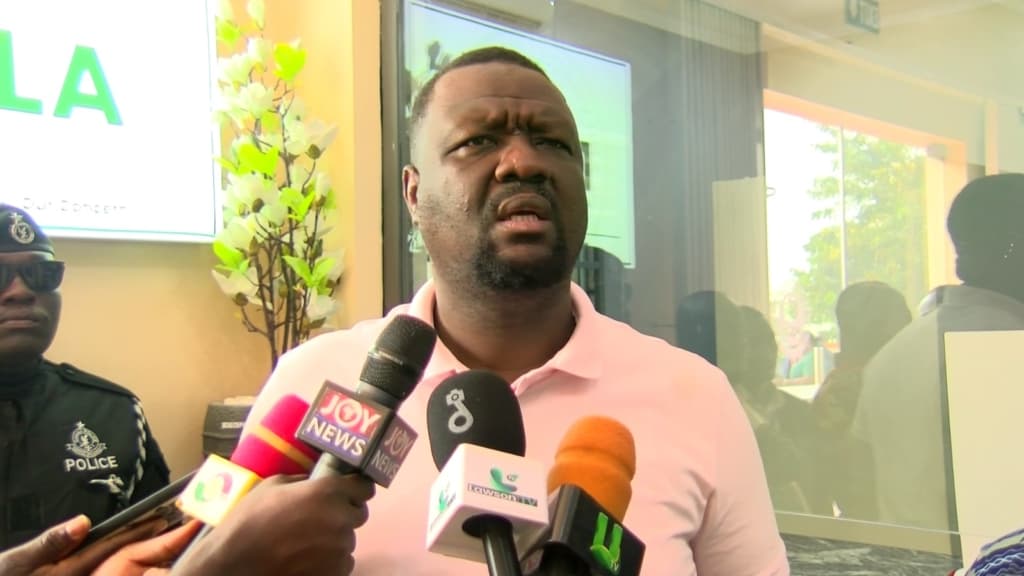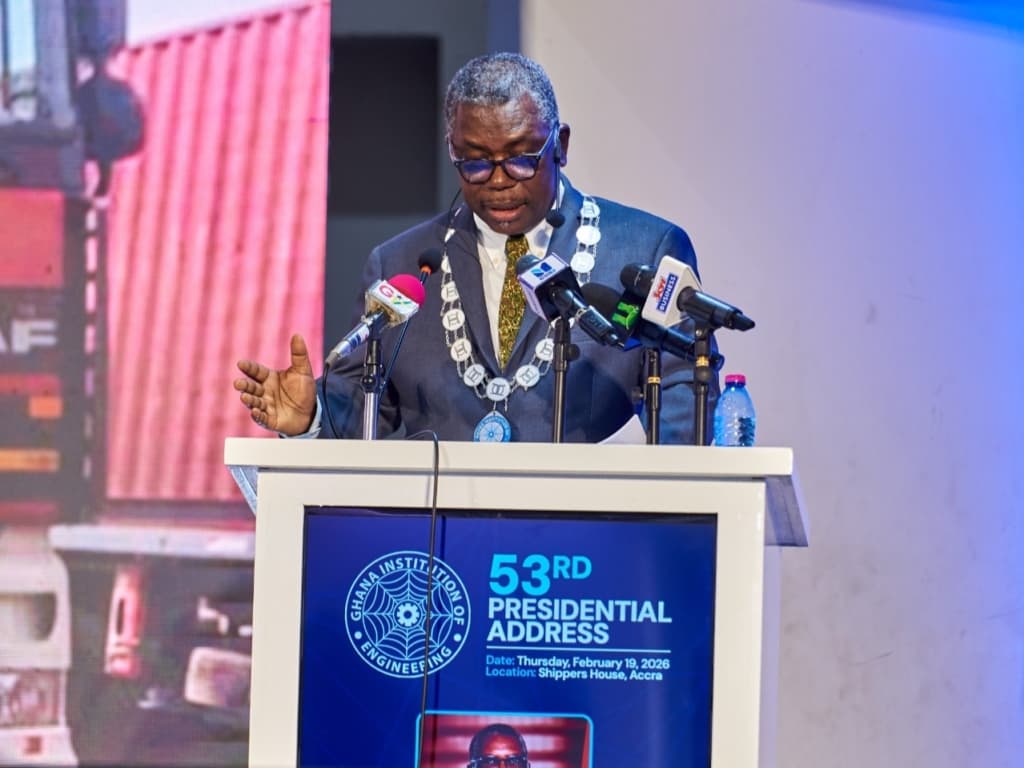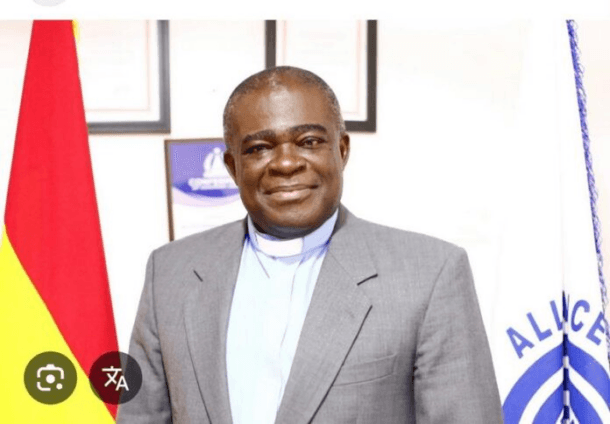
The issue of indiscipline in SHS has been a recurring problem in Ghana, with reports of clashes between students and school authorities, as well as instances of students engaging in destructive behavior. Rev. Opuni-Frimpong believes that the root cause of this problem lies in the erosion of moral values and the lack of effective guidance and mentorship for students. "The education system is not just about imparting knowledge, but also about shaping the character and moral fiber of our young people," he emphasized. "If we fail to address this moral deficit, we risk producing a generation of leaders who are ill-equipped to tackle the challenges of the future."
Causes of Indiscipline
Experts point to a range of factors contributing to the rising indiscipline in SHS, including poor parenting, inadequate school infrastructure, and the influence of social media. Dr. Eric Ankomah, a education consultant, notes that "the breakdown of traditional family values and the lack of parental involvement in the education of their children have created a vacuum that is being filled by negative influences." He adds that "the pressure to perform well academically, coupled with the lack of extracurricular activities and counseling services, can lead to frustration and aggression among students."
Rev. Opuni-Frimpong agrees that these factors are contributing to the problem, but argues that a more fundamental issue is at play. "We need to recognize that the education system is not just a reflection of society, but also a shaper of it," he says. "If we want to produce students who are disciplined, respectful, and responsible, we need to create an environment that promotes these values." He suggests that this can be achieved through the introduction of character education programs, mentorship initiatives, and community engagement activities that foster a sense of social responsibility among students.
Call to Action
Rev. Opuni-Frimpong's call for a national dialogue on the issue of indiscipline in SHS has been endorsed by various stakeholders, including education officials, parents, and student leaders.
"We need to come together to address this problem, which is a threat to the very foundation of our education system,"says Ms. Ama Serwaa, a parent and member of the Parent-Teacher Association. "As a nation, we have a responsibility to ensure that our children receive a holistic education that prepares them for life, not just for exams." According to Mr. Kwame Owusu, a student leader, "the lack of engagement and feedback from school authorities has contributed to the sense of disillusionment and frustration among students, leading to indiscipline and unrest." He emphasizes that "students need to be given a platform to express their concerns and participate in decision-making processes that affect their education and well-being."
In response to the growing concern, the Ghana Education Service (GES) has announced plans to review the current education curriculum and introduce new initiatives aimed at promoting discipline and character development in schools. Professor Kwasi Opoku-Amankwa, Director-General of the GES, notes that "we take the issue of indiscipline in SHS very seriously and are committed to working with all stakeholders to find solutions." He adds that "we recognize that this is a complex problem that requires a multifaceted approach, and we are willing to listen to ideas and suggestions from all quarters." However, some experts argue that more needs to be done to address the root causes of the problem. Dr. Akosua Darkwah, a sociologist, emphasizes that "we need to move beyond superficial solutions and address the underlying social and economic factors that are driving indiscipline in our schools."
As the debate over the rising indiscipline in SHS continues, it is clear that a national dialogue is long overdue. By bringing together educators, policymakers, parents, and students, Ghana can begin to address the root causes of this problem and work towards creating a more holistic and effective education system. As Rev. Opuni-Frimpong emphasizes, "the future of our nation depends on the quality of education we provide for our children. We owe it to ourselves, our children, and future generations to get this right." The success of this national dialogue will depend on the ability of stakeholders to work together and find common ground. As Mr. Samuel Ofori, a education expert, notes, "we need to put aside our differences and work towards a common goal – to provide a quality education that prepares our children for life and enables them to contribute to the development of our nation."
Conclusion
In conclusion, the issue of indiscipline in SHS is a complex and multifaceted problem that requires a comprehensive and sustained response. While there are no easy solutions, it is clear that a national dialogue is a crucial step towards addressing the root causes of this problem and finding effective solutions. As Ghana moves forward, it is essential that all stakeholders work together to create an education system that promotes discipline, character development, and social responsibility. By doing so, we can ensure that our children receive a holistic education that prepares them for life and enables them to contribute to the development of our nation. The future of Ghana depends on it.