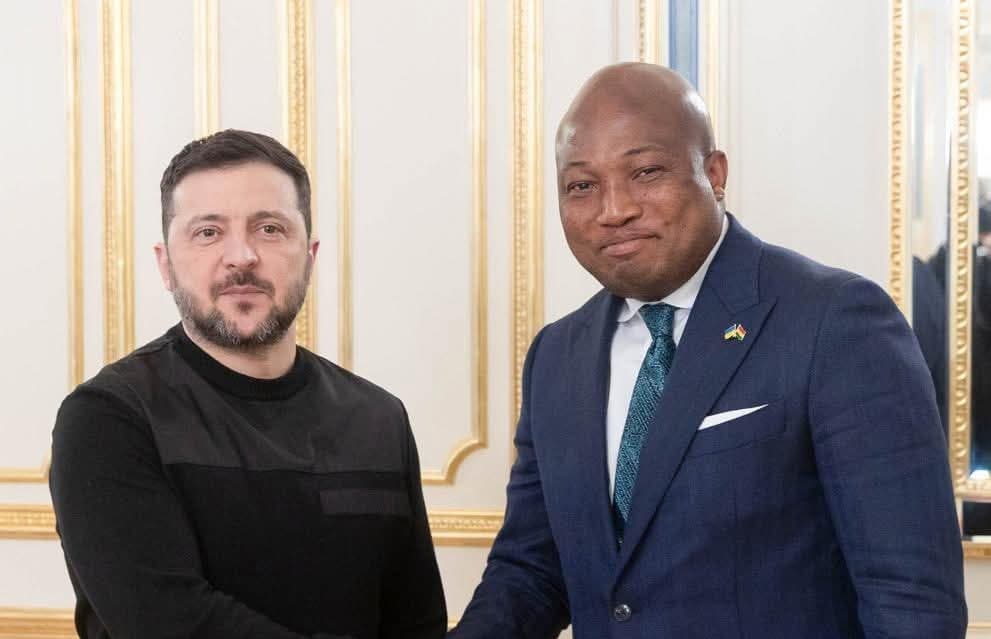
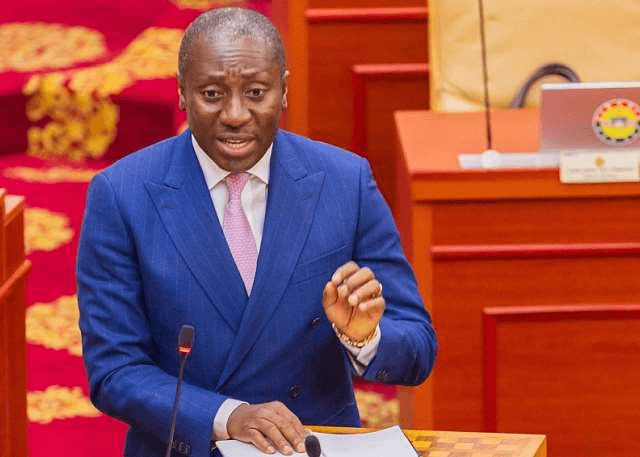
The reserve accumulation policy, announced last week, seeks to increase the country's foreign exchange reserves through a combination of fiscal discipline and monetary policy adjustments. However, Afenyo-Markin and the opposition have expressed concerns that the policy will lead to higher interest rates, reduced government spending, and a subsequent decrease in economic activity.
"We're not interested in your theories; we're interested in jobs," Afenyo-Markin said in a statement. "The government needs to get its priorities straight and focus on creating employment opportunities for our citizens, rather than chasing after some arbitrary reserve target."The Minority Leader's comments reflect the growing frustration among opposition lawmakers, who feel that the government is not doing enough to address the country's economic challenges.
Economic Implications
The reserve accumulation policy has significant implications for the country's economy, and experts are divided on its potential impact. Some argue that a strong reserve position will provide a cushion against external shocks and support the value of the local currency. However, others contend that the policy will come at the cost of reduced government spending, which could have a negative impact on economic growth. According to Dr. Emma Owusu, a senior economist at the University of Ghana,
"The reserve accumulation policy is a double-edged sword. On the one hand, it provides a degree of economic stability, but on the other hand, it could lead to reduced government investment in critical sectors such as education and healthcare."As the debate over the policy continues, it is clear that the government will need to carefully balance its economic priorities to avoid exacerbating the country's economic challenges.
Job Creation
The issue of job creation is a critical one in the country, with many young people struggling to find employment. The opposition has been vocal in its criticism of the government's handling of the economy, arguing that not enough is being done to support businesses and create jobs. Afenyo-Markin's rejection of the reserve accumulation policy is, in part, a reflection of the opposition's desire to see more concrete action on job creation. According to the Minority Leader, the government needs to take a more proactive approach to supporting businesses and stimulating economic growth.
"We need to see a comprehensive plan for job creation, one that includes support for small and medium-sized enterprises, as well as investments in critical sectors such as agriculture and manufacturing,"Afenyo-Markin said. The opposition's emphasis on job creation reflects the growing concern among citizens about the lack of economic opportunities and the need for the government to take decisive action to address the issue.
Government Response
The government has responded to the opposition's criticism, arguing that the reserve accumulation policy is a necessary step to ensure the country's economic stability. According to a statement from the Ministry of Finance,
"The reserve accumulation policy is a key component of our economic strategy, and it will provide a strong foundation for future growth and development."The government has also pointed to its efforts to support businesses and create jobs, including the establishment of a number of initiatives aimed at promoting entrepreneurship and stimulating economic growth. However, the opposition remains skeptical, arguing that the government's efforts are insufficient and that more needs to be done to address the country's economic challenges.
In conclusion, the debate over the government's reserve accumulation policy reflects the deeper divisions between the ruling party and the opposition over the country's economic direction. As the economy continues to struggle, it is clear that the government will need to take decisive action to address the issue of job creation and provide support for businesses. The opposition's rejection of the reserve accumulation policy is a call to action, a reminder that the government needs to prioritize the needs of its citizens and take concrete steps to promote economic growth and development. As the country looks to the future, it is clear that the government will need to balance its economic priorities carefully, ensuring that the needs of all citizens are taken into account. The coming months will be critical in determining the success of the government's economic strategy, and it remains to be seen whether the administration will be able to address the country's economic challenges and provide a brighter future for its citizens.