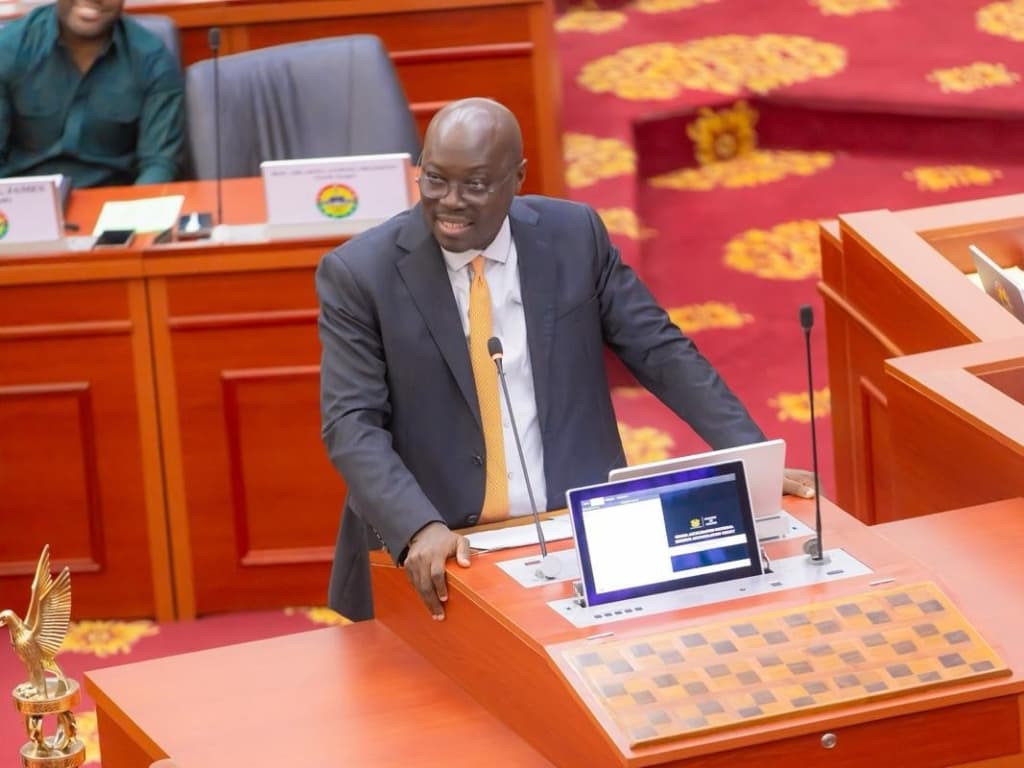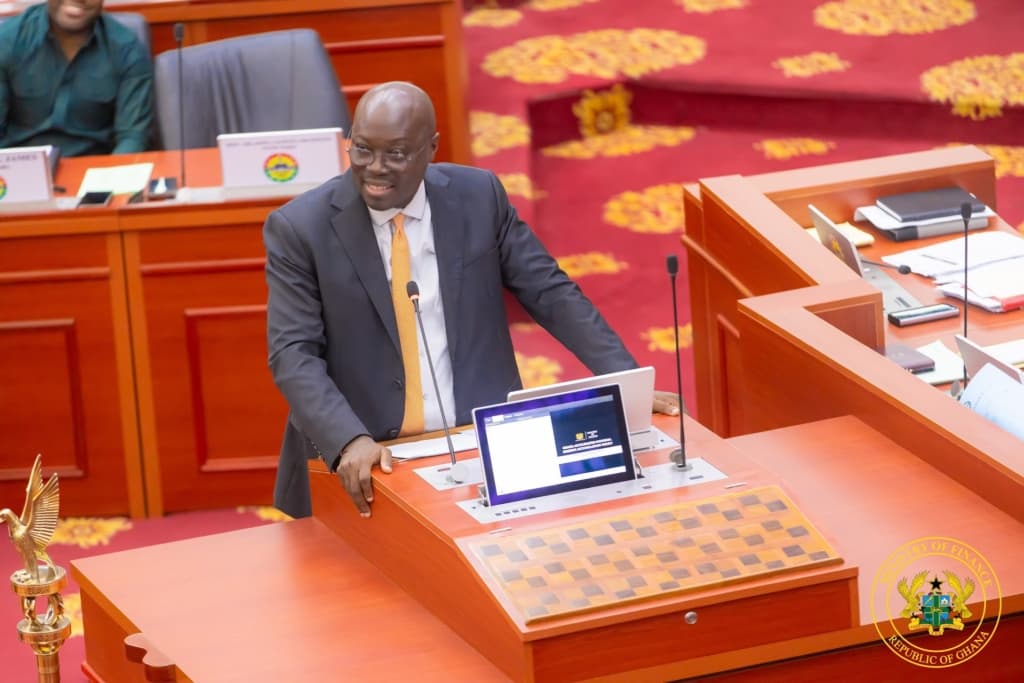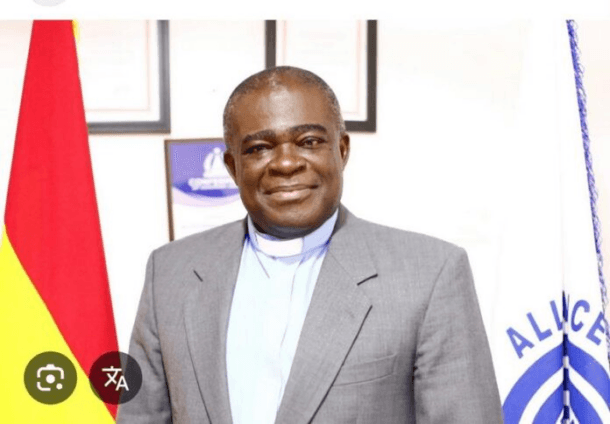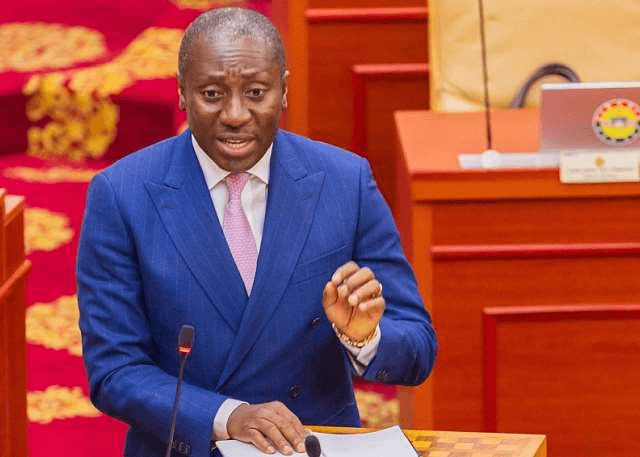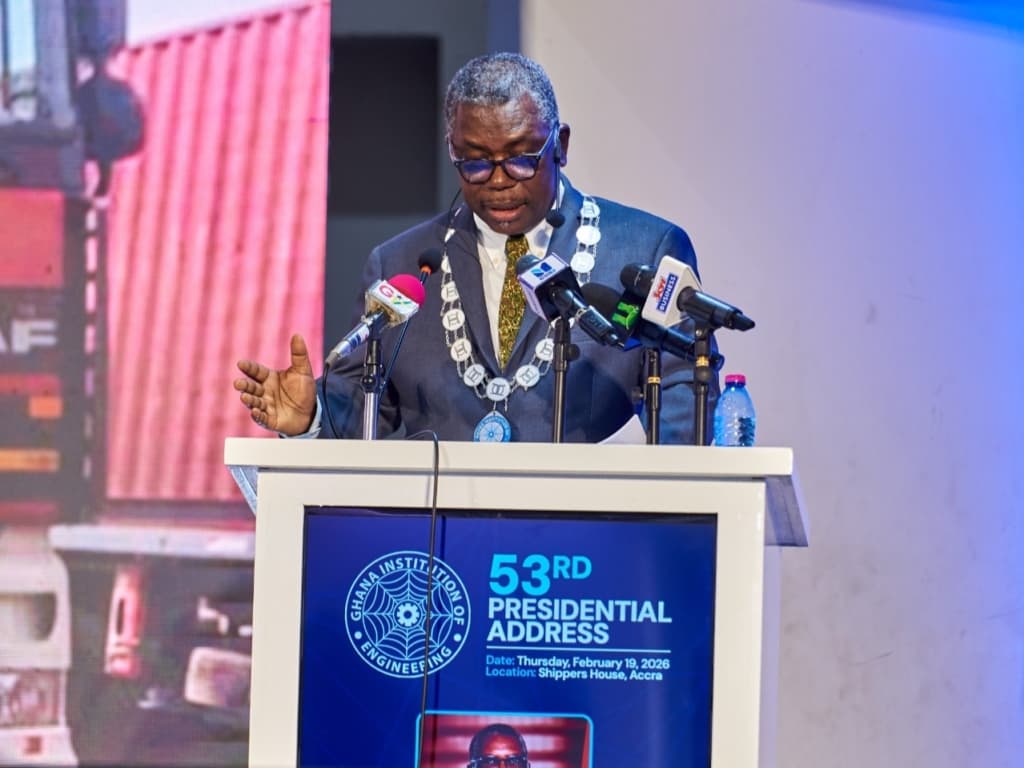
The road sub-sector is a critical component of Ghana's infrastructure, with the country's economy heavily reliant on the transportation of goods and services. However, the sector is facing significant financial challenges, including a large debt portfolio and inadequate funding for maintenance and new projects. According to Ing. Hesse, the financial exposure in the road sector is estimated to be in the billions of Ghana cedis, with the potential to cripple the country's economy if left unchecked. The GhIE is warning that the situation requires urgent attention from the government, particularly the Minister of Finance, to prevent a crisis in the sector.
Financial Exposure in the Road Sector
The financial exposure in the road sector is attributed to a combination of factors, including the high cost of road construction and maintenance, inadequate funding, and the lack of a sustainable financing model. The sector is also plagued by issues of corruption, mismanagement, and inefficiency, which have contributed to the financial burden. Ing. Hesse noted that the situation is further complicated by the fact that the road sector is a critical component of the country's economy, and any disruption to the sector could have far-reaching consequences.
"The road sector is the backbone of our economy, and any failure in the sector could have a ripple effect on the entire economy,"he said.
Experts in the sector agree that the financial exposure in the road sub-sector is a ticking time bomb that requires immediate attention. Dr. Kwame Boakye, a transport economist, warned that the situation could lead to a crisis in the sector, with severe consequences for the country's economy. "The road sector is facing a perfect storm of financial challenges, and if we don't take urgent action to address the issues, we could be facing a crisis of epic proportions," he said. Dr. Boakye called for a comprehensive review of the sector's financial management, including the implementation of a sustainable financing model and the introduction of measures to improve efficiency and reduce waste.
Call to Action
The GhIE is calling on the Minister of Finance to take immediate action to address the financial exposure in the road sector. Ing. Hesse urged the Minister to work with stakeholders in the sector to develop a comprehensive plan to mitigate the risks associated with the current financial exposure.
"We need a comprehensive plan that addresses the root causes of the financial exposure and provides a sustainable financing model for the sector,"he said. The GhIE is also calling for increased investment in the sector, including the allocation of adequate funds for maintenance and new projects.
Ing. Hesse noted that the GhIE is committed to working with the government and other stakeholders to find a solution to the financial challenges facing the road sector. The institution is offering its expertise and resources to support the development of a comprehensive plan to address the financial exposure and ensure the long-term sustainability of the sector. "We believe that with the right approach and the necessary investment, we can overcome the financial challenges facing the road sector and ensure that the sector continues to play a critical role in the country's economic development," he said.
In conclusion, the financial exposure in Ghana's road sub-sector is a serious issue that requires urgent attention from the government, particularly the Minister of Finance. The GhIE is sounding the alarm and calling for immediate action to address the issue and prevent a crisis in the sector. With the right approach and the necessary investment, it is possible to overcome the financial challenges facing the road sector and ensure the long-term sustainability of the sector. As the country continues to grow and develop, it is essential that the road sector is given the attention and investment it needs to support the country's economic development. The Minister of Finance must take heed of the GhIE's warning and work with stakeholders to develop a comprehensive plan to address the financial exposure and ensure the long-term sustainability of the road sector.