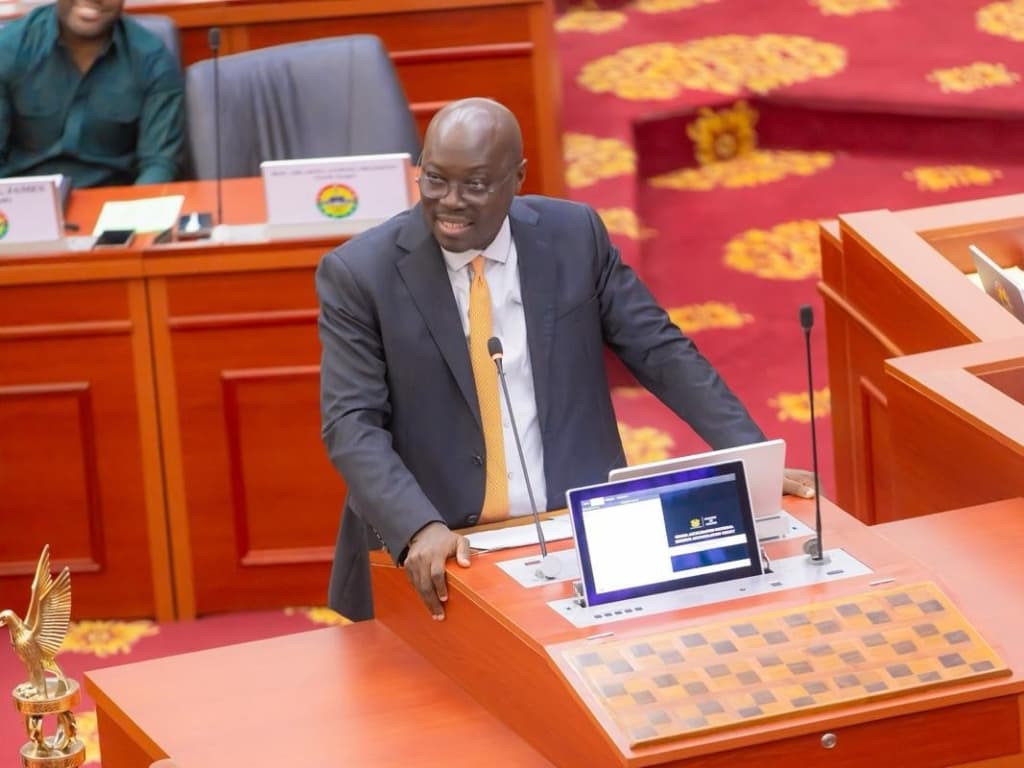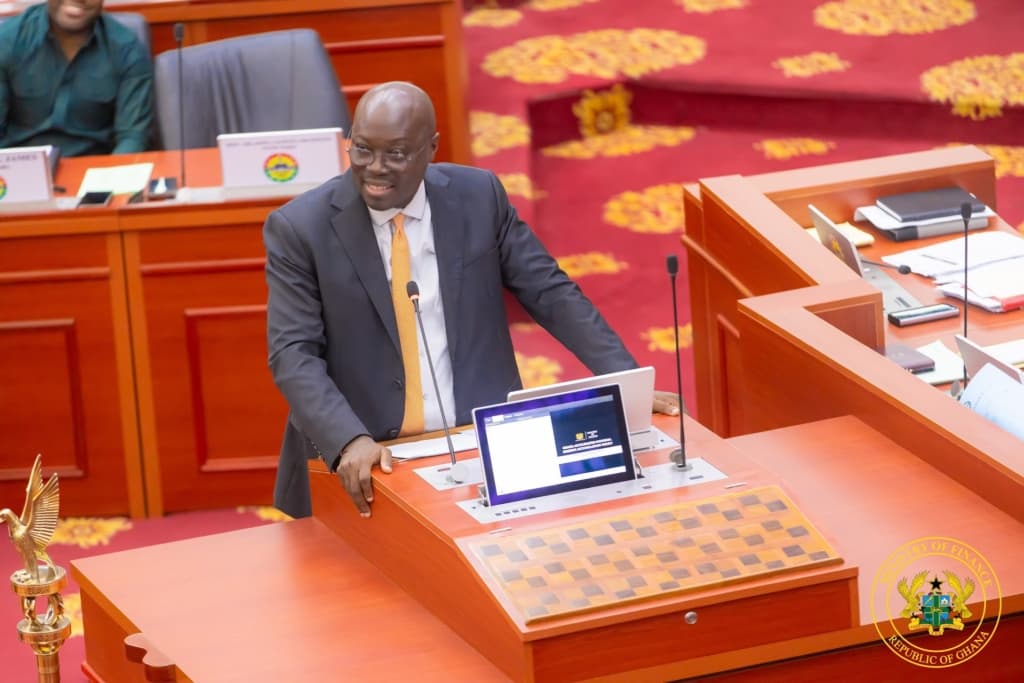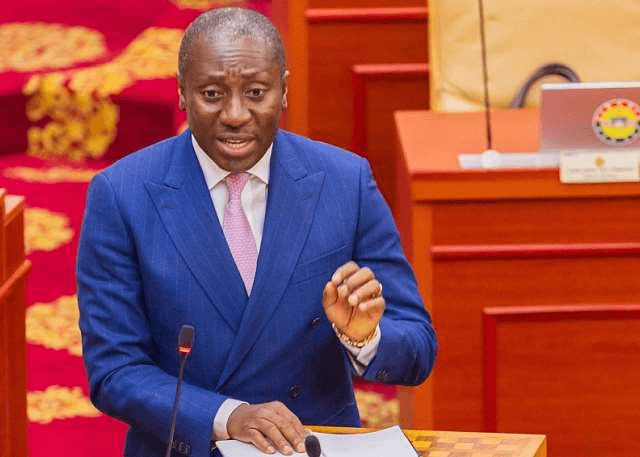
The GANRAP policy is a twofold strategy, with the primary objective of accumulating gold reserves to support the country's balance of payments. By purchasing 3.02 tonnes of gold every week, the government hopes to reduce its reliance on foreign exchange and mitigate the risks associated with currency fluctuations. Dr. Ato Forson explained to Parliament on Wednesday that the strategy is designed to provide a buffer against economic shocks, while also supporting the country's long-term economic growth. "The GANRAP policy is a critical component of our economic strategy, and we are committed to its successful implementation," he said. "By building our gold reserves, we can reduce our reliance on foreign exchange and create a more stable economic environment."
Building External Buffers
The decision to purchase gold on a large scale is seen as a prudent move by the government, given the current economic uncertainty.
"Gold is a safe-haven asset that can provide a buffer against economic shocks," said Dr. Emmanuel Owusu, a senior economist at the University of Ghana. "By accumulating gold reserves, Ghana can reduce its exposure to currency fluctuations and create a more stable economic environment."The government's plan to build a 15-month import cover is ambitious, but experts believe it is achievable. With a weekly purchase target of 3 tonnes, the government can accumulate significant gold reserves over a short period, providing a substantial buffer against economic shocks.
Implementing the GANRAP Policy
The implementation of the GANRAP policy will be overseen by the Ghana Gold Board (GOLDBOD), which will be responsible for purchasing gold from licensed gold producers. The board will work closely with the Bank of Ghana to ensure that the gold purchases are made at competitive prices and that the reserves are stored securely. The government has also established a Gold Reserve Management Committee to oversee the implementation of the policy and ensure that the gold reserves are managed effectively. According to Dr. Ato Forson, the committee will comprise representatives from the Ministry of Finance, the Bank of Ghana, and the Ghana Gold Board, and will be responsible for monitoring the implementation of the policy and providing guidance on gold reserve management.
The GANRAP policy has been welcomed by industry experts, who believe that it will provide a boost to the gold mining sector.
"The policy is a game-changer for the gold mining industry," said Mr. Kwame Addo, CEO of the Ghana Chamber of Mines. "By providing a guaranteed market for gold, the government can encourage investment in the sector and support the growth of small-scale mining operations."The policy is also expected to have a positive impact on the economy, by reducing the country's reliance on foreign exchange and creating a more stable economic environment. With a strong gold reserve, Ghana can reduce its exposure to currency fluctuations and create a more attractive environment for foreign investment.
Challenges and Opportunities
While the GANRAP policy has been widely welcomed, there are challenges that need to be addressed. One of the major challenges is the funding of the gold purchases, which will require significant resources. The government will need to allocate substantial funds to support the gold purchases, which could divert resources away from other critical sectors of the economy. Additionally, the implementation of the policy will require careful planning and coordination to ensure that the gold reserves are managed effectively. Despite these challenges, the opportunities presented by the GANRAP policy are significant. By building a strong gold reserve, Ghana can reduce its reliance on foreign exchange, create a more stable economic environment, and support the growth of the gold mining sector.
In conclusion, the government's decision to purchase 3 tonnes of gold every week as part of the GANRAP policy is a bold move that is expected to have far-reaching implications for the economy. With a strong gold reserve, Ghana can reduce its exposure to currency fluctuations, create a more stable economic environment, and support the growth of the gold mining sector. As the implementation of the policy gets underway, it is essential to monitor its progress and address any challenges that arise. With careful planning and coordination, the GANRAP policy can provide a significant boost to the economy and support the country's long-term economic growth. As Dr. Ato Forson noted,
"The GANRAP policy is a critical component of our economic strategy, and we are committed to its successful implementation. We believe that it will provide a significant boost to the economy and support the growth of the gold mining sector."Only time will tell if the policy will achieve its objectives, but one thing is certain - the future of Ghana's economy looks brighter with a strong gold reserve.