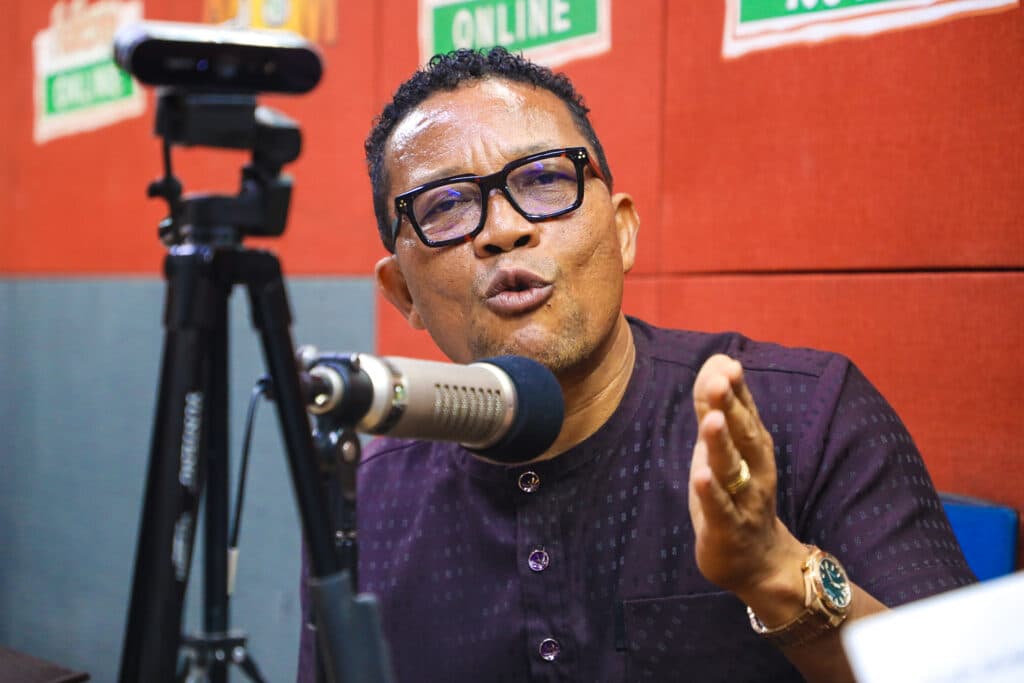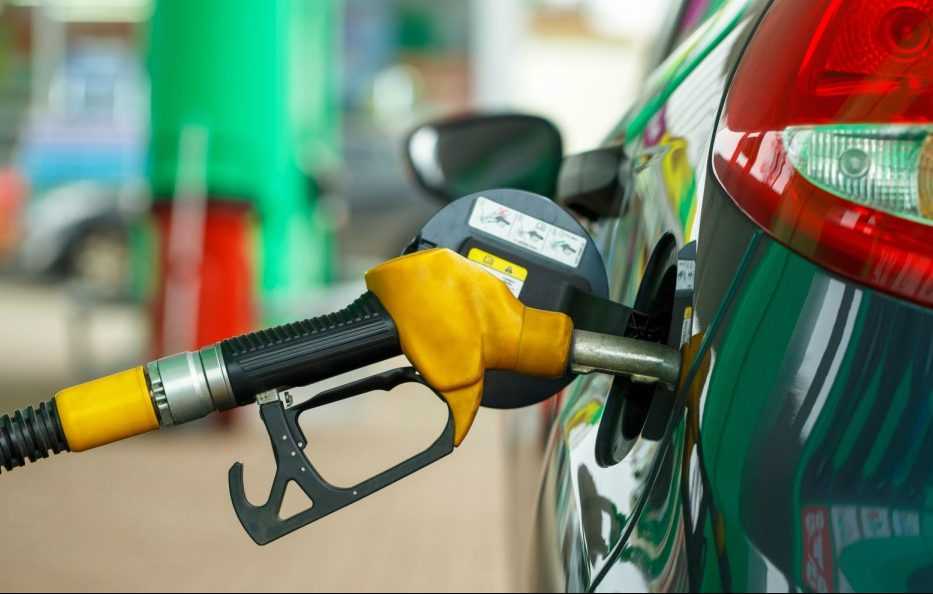
The COPEC report, released on February 24, 2026, cited the increasing international crude prices as the main factor driving the projected increase in fuel prices. According to the report, the rise in crude prices has led to an increase in the cost of refined products, which will ultimately be passed on to consumers. Duncan Amoah, Executive Secretary of COPEC, noted that "the increase in international crude prices is a major concern for us, as it has a direct impact on the prices of fuel at the pump." He added that "we are monitoring the situation closely and will continue to provide updates to consumers on any changes in fuel prices."
Impact on Consumers
The projected increase in fuel prices is likely to have a significant impact on consumers, particularly those who rely on petrol and diesel for their daily activities. Dr. Kwabena Donkor, a energy expert, noted that "the increase in fuel prices will have a ripple effect on the prices of goods and services, as transportation costs will increase." He added that "this will ultimately affect the cost of living in Ghana, as consumers will have to pay more for goods and services." Dr. Donkor also noted that "the government needs to take steps to mitigate the impact of the increase in fuel prices on consumers, such as reducing taxes on fuel or providing subsidies to vulnerable groups.
On the other hand, the projected decrease in LPG prices is expected to bring some relief to consumers who use LPG for cooking and other domestic purposes. Madam Harriet Akua Mensah, a consumer, noted that "I am happy to hear that LPG prices are expected to drop, as it will help reduce my household expenses." She added that "however, I am concerned about the increase in petrol and diesel prices, as it will affect my transportation costs and ultimately increase my expenses."
Government Response
The government has not yet responded to the projected increase in fuel prices. However, Minister of Energy, Matthew Opoku Prempeh, noted that "the government is monitoring the situation closely and will take steps to mitigate the impact of the increase in fuel prices on consumers." He added that "we are committed to ensuring that the prices of fuel are stable and affordable for all Ghanaians." The Minister also noted that "we are exploring options to reduce the impact of the increase in fuel prices, including reducing taxes on fuel and providing subsidies to vulnerable groups.
"The government is committed to ensuring that the prices of fuel are stable and affordable for all Ghanaians. We will continue to monitor the situation closely and take steps to mitigate the impact of the increase in fuel prices on consumers." - Matthew Opoku Prempeh, Minister of Energy
It is worth noting that the government has a range of options to mitigate the impact of the increase in fuel prices on consumers. These include reducing taxes on fuel, providing subsidies to vulnerable groups, and implementing policies to reduce the country's reliance on imported fuel. Dr. Charles Wereko-Brobby, a energy policy expert, noted that "the government needs to take a comprehensive approach to addressing the issue of fuel prices, including investing in renewable energy and improving the efficiency of the energy sector."
Conclusion
In conclusion, the projected increase in fuel prices in Ghana is a significant development that is likely to have a major impact on the cost of living in the country. While the decrease in LPG prices is expected to bring some relief to consumers, the increase in petrol and diesel prices will have a ripple effect on the prices of goods and services. The government needs to take steps to mitigate the impact of the increase in fuel prices on consumers, including reducing taxes on fuel and providing subsidies to vulnerable groups. As Duncan Amoah, Executive Secretary of COPEC, noted, "we will continue to monitor the situation closely and provide updates to consumers on any changes in fuel prices." As the situation continues to unfold, it is likely that there will be further developments and updates on the fuel price situation in Ghana.