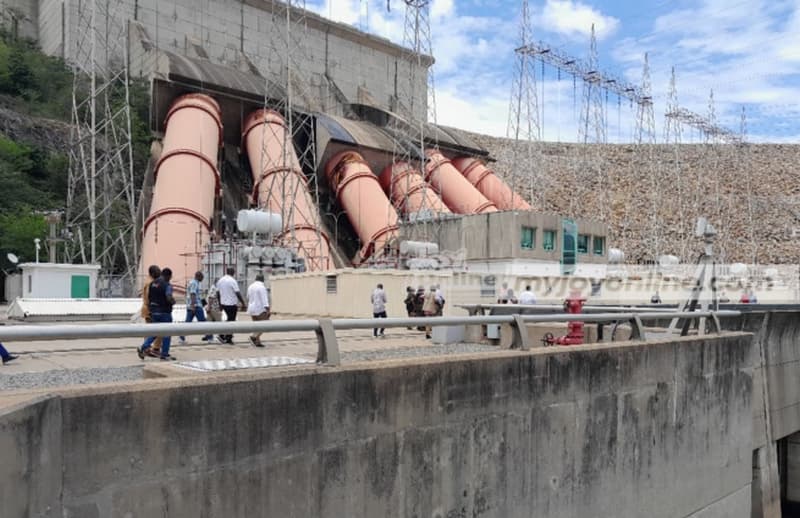
The Akosombo Dam, located on the Volta River, is Ghana's largest hydroelectric power plant, with an installed capacity of 1,020 megawatts (MW). The dam has been the backbone of Ghana's power sector since its commissioning in 1965, providing a significant portion of the country's electricity supply. However, with Accra's power demand now rivaling the dam's generation capacity, there are fears that the city may soon outstrip the available power supply, leading to frequent power outages and disruptions to economic activities. ECG officials have warned that the situation requires urgent attention, as the company struggles to keep up with the increasing demand for electricity in the city.
Causes of the Soaring Demand
The rapid growth in Accra's population, driven by urbanization and migration, has been cited as a major factor contributing to the soaring power demand. The city's population has more than tripled over the past two decades, from approximately 1.5 million in 2000 to over 4.5 million today. This growth has led to an increase in the number of households, businesses, and industries, all of which require electricity to operate.
"The demand for electricity in Accra is driven by the growing middle class, who are increasingly adopting modern technologies and appliances that require power,"said Dr. Kojo Opoku, a energy expert at the University of Ghana. According to Dr. Opoku, the situation is further exacerbated by the lack of a comprehensive energy efficiency policy, which has led to wastage and inefficient use of electricity in many households and businesses.
Implications for the Economy
The potential consequences of Accra's power demand outstripping the available supply are far-reaching, with significant implications for the country's economy. Frequent power outages and disruptions to electricity supply can have a devastating impact on businesses, particularly those in the manufacturing and services sectors, which rely heavily on electricity to operate. This can lead to losses in productivity, revenue, and competitiveness, ultimately affecting the country's economic growth and development.
"A reliable and efficient power supply is essential for economic growth and development,"said Mr. Joseph Osei-Owusu, a businessman and member of the Ghana Chamber of Commerce. According to Mr. Osei-Owusu, the government and ECG must work together to address the power supply challenges facing the city, in order to create a conducive business environment that can attract investment and drive economic growth.
Way Forward
To address the power supply challenges facing Accra, ECG and the government have announced plans to invest in new power generation and transmission infrastructure. This includes the construction of new power plants, as well as the upgrade of existing transmission lines and distribution networks. The government has also announced plans to promote energy efficiency and conservation, through the implementation of policies and programs aimed at reducing waste and encouraging the use of renewable energy sources. According to Mr. Boateng,
"ECG is committed to working with the government and other stakeholders to address the power supply challenges facing Accra, and to ensure that the city has a reliable and efficient power supply that can support its growth and development."As the city continues to grow and develop, it is clear that addressing the power supply challenges facing Accra will require a sustained effort and commitment from all stakeholders involved.
In conclusion, the revelation that Accra's power demand can consume the entire generation capacity of the Akosombo Dam is a wake-up call for the government, ECG, and other stakeholders to take urgent action to address the power supply challenges facing the city. With the right policies and investments in place, it is possible to ensure that Accra has a reliable and efficient power supply that can support its growth and development, and drive Ghana's economic progress. As the country looks to the future, it is clear that addressing the power supply challenges facing Accra will be critical to unlocking its full economic potential, and achieving the government's vision of a prosperous and developed Ghana.