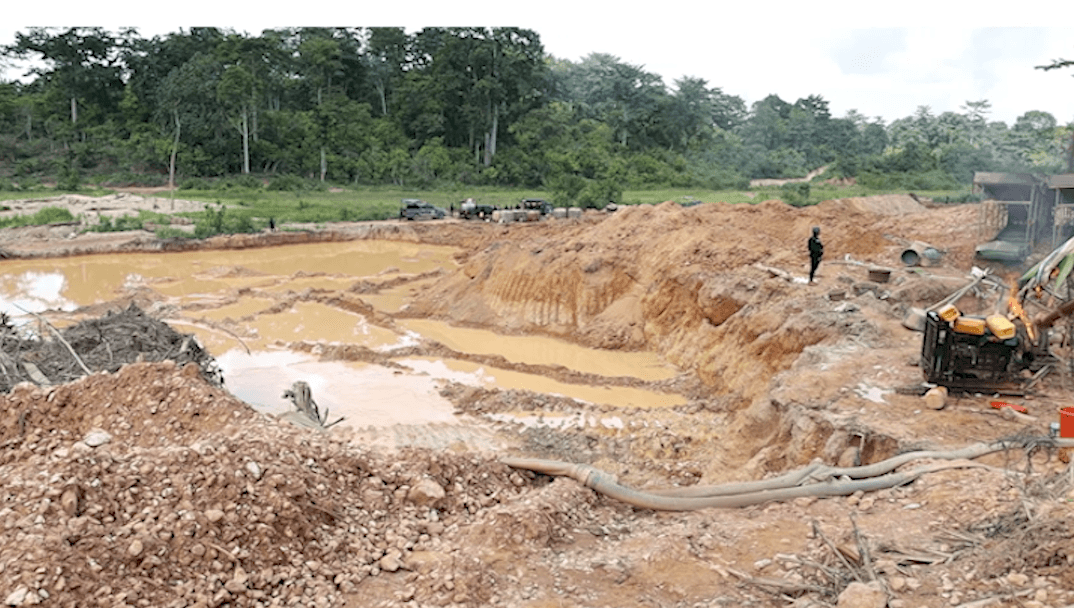
The Forestry Commission's survey, which was conducted over several months, provides a detailed snapshot of the extent of galamsey operations in the country's forest reserves. According to the Operations Manager of the Forestry Commission, the increased destruction of forest reserves is a result of the lack of effective enforcement of laws and regulations, as well as the involvement of powerful individuals and groups who are able to evade detection and prosecution. "The situation is very worrying, and if we do not take immediate action to address it, we risk losing our entire forest cover," the Operations Manager warned. "The consequences of inaction will be severe, and will affect not just the environment, but also the livelihoods of millions of people who depend on the forest for their survival."
Regional Breakdown
A closer look at the survey's findings reveals that the Ashanti Region is the most impacted, with over 55% of the total area affected by galamsey operations. The region's rich gold deposits and proximity to major markets have made it a magnet for artisanal miners, many of whom are operating without licenses or permits. The Western North Region, which is also known for its gold deposits, has seen a significant increase in galamsey activities, with over 2,195.7 hectares of its forest reserves destroyed. Other regions, including the Eastern and Central Regions, have also been affected, although to a lesser extent.
"The galamsey menace is a national security issue, and requires a coordinated response from all stakeholders, including the government, traditional authorities, and civil society organizations," said Dr. Yao Graham, a renowned environmental expert. "We need to take a holistic approach to addressing the problem, one that takes into account the economic, social, and environmental factors that are driving the practice."
Consequences of Galamsey
The destruction of forest reserves due to galamsey activities has severe consequences for the environment and the economy. The loss of biodiversity, soil degradation, and water pollution are just a few of the negative impacts that have been documented. The destruction of forest reserves also has significant economic implications, as it affects the livelihoods of communities that depend on the forest for their survival. According to the Ministry of Lands and Natural Resources, the annual loss to the economy due to galamsey activities is estimated to be in the billions of cedis.
Despite the challenges, there are efforts underway to address the problem. The government has established a task force to combat galamsey operations, and has also introduced new regulations and laws to govern the mining sector. Additionally, civil society organizations and community groups are working to raise awareness about the dangers of galamsey and to promote sustainable mining practices. However, more needs to be done to address the root causes of the problem, including poverty, corruption, and lack of enforcement.
Way Forward
The increase in galamsey activities in forest reserves is a complex problem that requires a multifaceted solution. According to Mr. John Owusu, a mining expert, "the key to addressing the problem is to provide alternative livelihoods for communities that are currently dependent on galamsey operations." He also emphasized the need for effective enforcement of laws and regulations, as well as increased support for sustainable mining practices. "We need to work together to find a solution that balances the need for economic development with the need to protect the environment," he said.
In conclusion, the destruction of forest reserves due to galamsey activities is a serious problem that requires immediate attention. The government, civil society organizations, and community groups must work together to address the root causes of the problem and to promote sustainable mining practices. The future of the country's ecosystem and natural resources depends on it. As Dr. Graham noted, "we have a narrow window of opportunity to act, and we must seize it before it is too late." The clock is ticking, and it is up to all stakeholders to take action to protect the country's forest reserves and to ensure a sustainable future for generations to come.