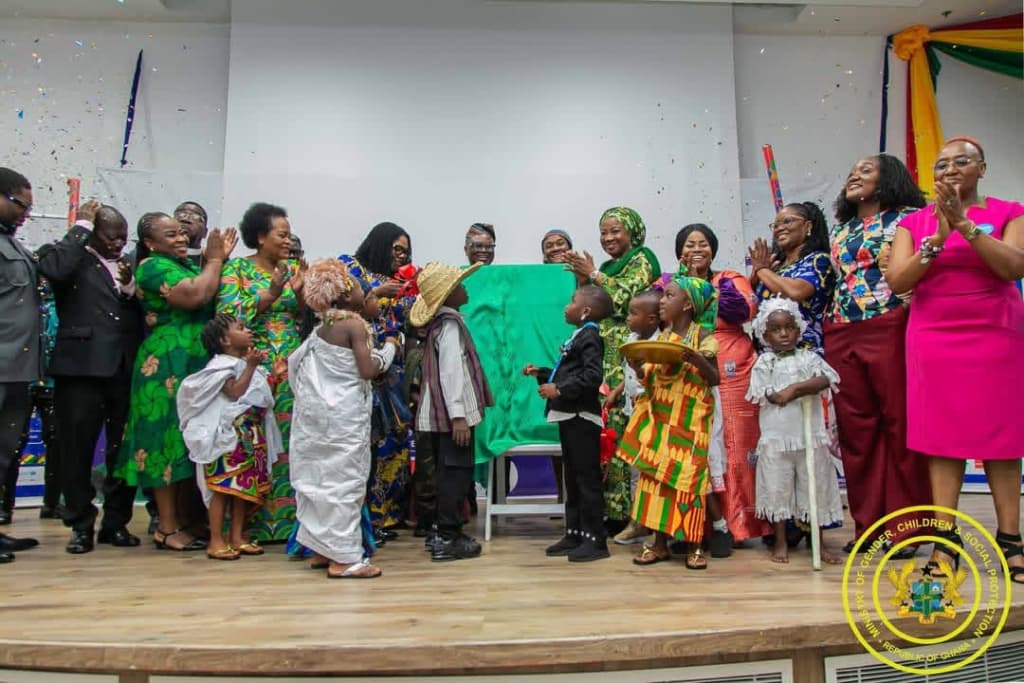
The revised ECCD policy is the culmination of extensive consultations and collaborations between various stakeholders, including government agencies, civil society organizations, and international partners. It aims to address the multifaceted needs of children from birth to eight years, focusing on key areas such as health, nutrition, education, and protection. According to Dr. Ama Pomaa Boateng, Deputy Minister for Education, "The revised policy is a testament to Ghana's dedication to providing its children with the best possible start in life. By prioritizing early childhood care and development, we are investing in the future of our nation, equipping our children with the skills, knowledge, and values necessary to succeed in an increasingly complex world."
Key Provisions and Objectives
The revised ECCD policy outlines a robust framework for improving the quality of care and education provided to young children. It emphasizes the importance of parental and community involvement in early childhood development, recognizing that families and communities play a vital role in shaping a child's early years. The policy also seeks to strengthen the capacity of early childhood educators and caregivers, providing them with the training and resources needed to deliver high-quality services. Furthermore, it aims to increase access to early childhood care and development programs, particularly in disadvantaged and hard-to-reach areas.
"The revised ECCD policy is not just a document; it's a call to action. It's a reminder that we all have a responsibility to ensure that our children receive the care and support they deserve. As a nation, we must work together to create an environment that is conducive to the growth and development of our children," said Madam Akua Owusu-Acheampong, Director of the Department of Children at the Ministry of Gender, Children and Social Protection.
Implementing the Policy
Effective implementation of the revised ECCD policy will require the collaboration and coordination of various stakeholders, including government agencies, non-governmental organizations, and community groups. The government has committed to providing the necessary resources and support to ensure the successful rollout of the policy. According to Dr. Ernestina Mensah, a child development expert, "The success of the revised ECCD policy will depend on our ability to work together, to share knowledge, expertise, and resources. We must also be willing to learn from each other, to adapt to changing circumstances, and to continuously evaluate and improve our approaches."
To facilitate the implementation process, the government has established a national steering committee responsible for overseeing the rollout of the policy. The committee will work closely with regional and district-level authorities to ensure that the policy is tailored to meet the unique needs and contexts of different communities. Additionally, the government has launched a public awareness campaign aimed at sensitizing parents, caregivers, and communities about the importance of early childhood care and development.
Challenges and Opportunities
While the revised ECCD policy presents a unique opportunity for Ghana to transform its early childhood development landscape, there are also challenges that need to be addressed. One of the major hurdles is the limited availability of resources, including funding, infrastructure, and human capacity. Moreover, there are concerns about inequities and disparities in access to early childhood care and development programs, particularly in rural and disadvantaged areas. However, these challenges also present opportunities for innovation, collaboration, and creativity.
"We recognize that the implementation of the revised ECCD policy will not be without its challenges. However, we are confident that with the support of our partners, the dedication of our stakeholders, and the resilience of our people, we can overcome these challenges and create a brighter future for our children," said Dr. Boateng.
In conclusion, the launch of Ghana's revised ECCD policy marks a significant milestone in the country's efforts to strengthen early childhood development. As the nation moves forward with the implementation of this policy, it is essential that all stakeholders remain committed to the cause, working together to ensure that every child in Ghana has access to quality care and education. By prioritizing early childhood development, Ghana is not only securing the future of its children but also investing in the prosperity and progress of the nation as a whole. As Madam Owusu-Acheampong aptly put it, "The future of our children is the future of our nation. Let us work together to build a brighter tomorrow for all."