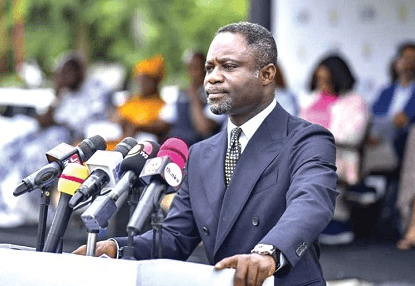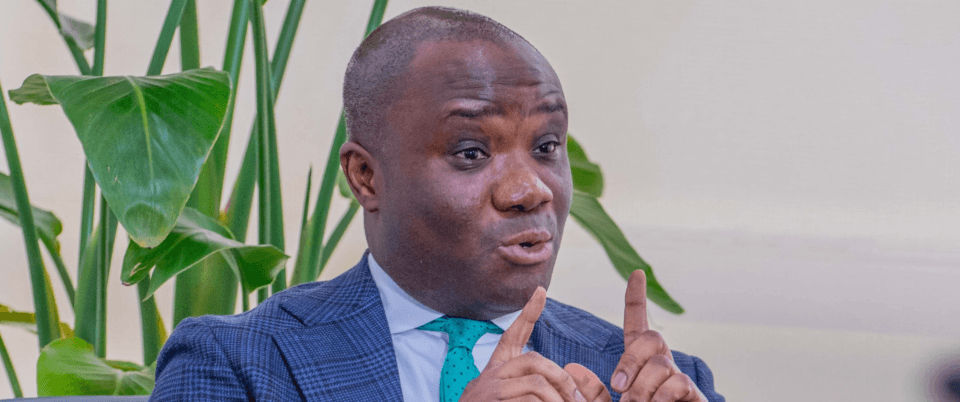
The Minister argued that the previous administration's economic mismanagement had left the country on the brink of financial crisis, with a large budget deficit, high inflation, and a depreciating currency. Kwakye Ofosu stated that the current government has had to implement stringent fiscal measures to restore macroeconomic stability, including reducing government spending, increasing taxes, and implementing austerity measures. According to the Minister, these measures have yielded positive results, with the economy showing signs of recovery and the fiscal deficit narrowing significantly.
Economic Performance Under Scrutiny
While the government has made efforts to stabilize the economy, some economists have expressed concerns about the slow pace of economic growth.
"The government's economic performance has been mixed, with some positive developments, but also some worrying trends,"said Dr. Ama Bawuah, a senior economist at the University of Ghana. Dr. Bawuah noted that while the government has made progress in reducing the fiscal deficit, the economy is still struggling to achieve high and sustainable growth. She attributed this to a combination of factors, including a decline in private sector investment, high interest rates, and a shortage of credit for small and medium-sized enterprises.
In response to these criticisms, Kwakye Ofosu argued that the government has implemented a range of initiatives to support economic growth, including investments in infrastructure, education, and healthcare. The Minister emphasized that these investments are critical to laying the foundation for long-term economic growth and development. He also pointed to the government's efforts to promote private sector development, including the establishment of a new investment promotion agency and the introduction of tax incentives for businesses.
Comparing Economic Records
Kwakye Ofosu was quick to compare the economic record of the current administration with that of the previous government.
"The previous administration's economic record was marked by recklessness and mismanagement,"he said. The Minister argued that the previous government's policies led to a significant increase in the national debt, from 30% of GDP to over 60% of GDP. He also pointed to the high inflation rate, which peaked at over 20% during the previous administration's tenure. In contrast, the current administration has managed to reduce inflation to single digits and stabilize the currency.
However, some experts have cautioned against making simplistic comparisons between the two administrations.
"Each administration faces unique challenges and opportunities, and it's not always fair to compare their economic records directly,"said Professor Kwame Addo, a renowned economist. Professor Addo noted that the current administration has benefited from a number of favorable external factors, including a decline in global commodity prices and an increase in foreign investment. He argued that a more nuanced assessment of the government's economic performance is needed, taking into account both the positive developments and the challenges that remain.
In conclusion, the debate over the government's economic record is likely to continue, with different perspectives and opinions on the administration's performance. While the Minister for Government Communications has defended the government's economic record, some economists and experts have raised concerns about the pace of economic growth and the challenges that remain. As the country looks to the future, it is clear that the government will need to continue to implement policies that support economic growth, reduce poverty, and improve living standards for all citizens. The government's ability to deliver on these promises will ultimately determine the success of its economic record and its legacy for generations to come.